

Policy
Musk's OpenAI Case Just Ran Into the One Thing Money Can't Buy: Time
A federal jury found Musk waited too long to sue OpenAI over its for-profit shift, giving OpenAI a legal win without ending the bigger AI governance debate.
Founder and editor
A federal jury found Musk waited too long to sue OpenAI over its for-profit shift, giving OpenAI a legal win without ending the bigger AI governance debate.

Microsoft’s Teams Together Mode retirement is a small feature death with a bigger message: pandemic work software is being pruned.

The reported Grafana GitHub token breach shows why source code repositories, secrets, and developer access are now primary security targets.

AI backlash is turning into a business problem as brands discover that automation can damage trust faster than it cuts costs.
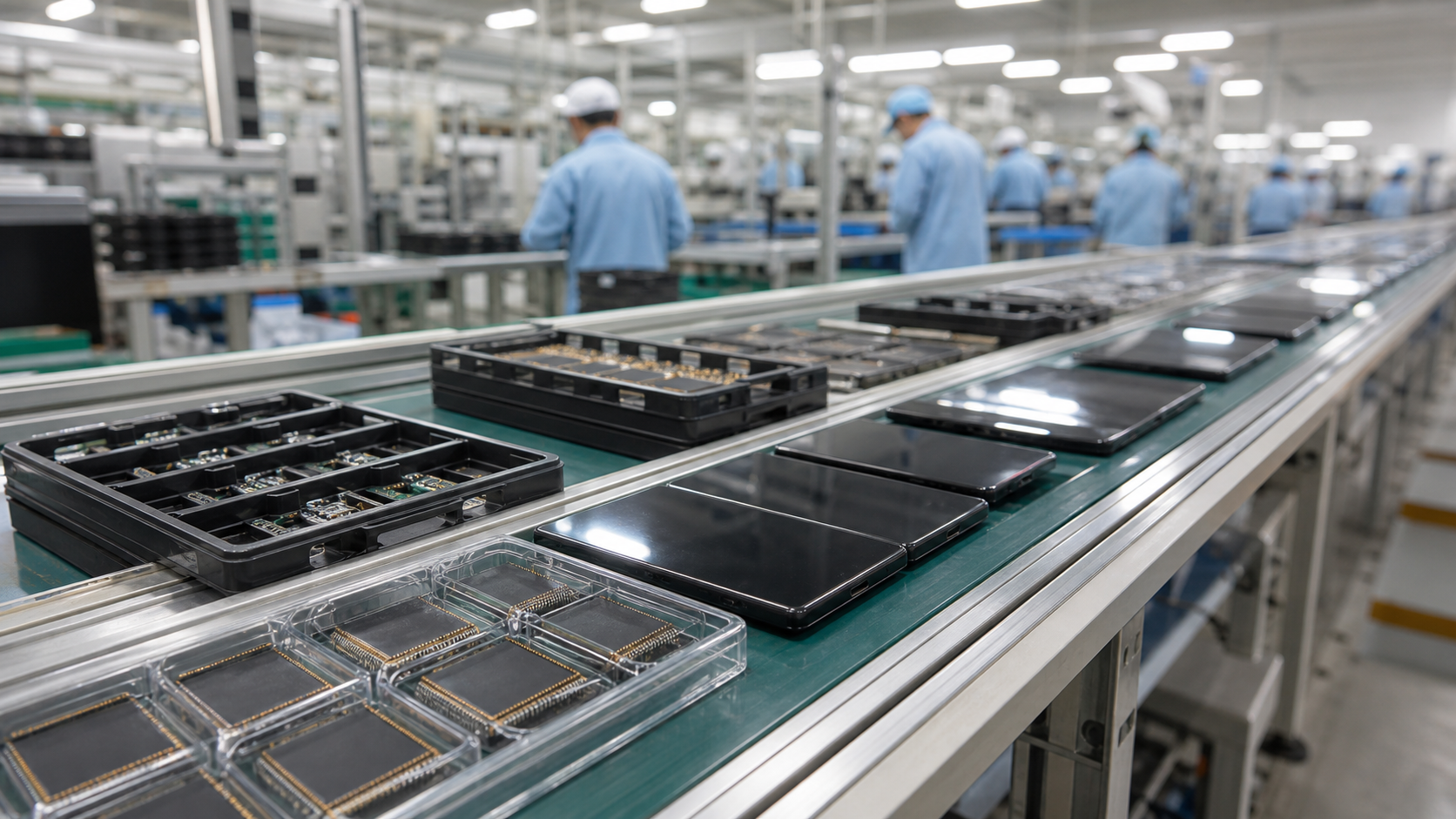
Samsung labor tensions matter beyond one company because the electronics supply chain is still concentrated, fragile, and deeply human.

Crypto policy is now being fought through campaign money, midterm pressure, and lawmakers deciding how much the industry gets to shape its own rules.

GitHub’s Copilot model shift shows how coding agents are moving from editor helpers into managed workplace infrastructure.

As companies test fleets of AI agents, the next startup opportunity is not just building agents. It is managing and governing them.

Apple’s reported Siri auto-delete plan shows the central AI assistant tradeoff: memory makes assistants useful, but storage makes them sensitive.

NGINX sits in front of enough public services that any active-exploitation report deserves a disciplined operator response.

Europe wants a bigger role in AI, but data center demand is turning compute strategy into an energy policy fight.

A new YouGov poll shows most Americans think AI is moving too fast. That makes public trust a product problem, not a side debate.

OpenAI's ChatGPT personal finance preview could make budgeting easier, but bank-account access turns the feature into a privacy and trust test.

CISA adding a Microsoft Exchange vulnerability to the known exploited list turns the issue from advisory noise into a patch-timing problem.

A reported new Anthropic raise points to a startup market split where frontier AI labs absorb huge capital while smaller companies must prove sharper economics.

Reports around Vercel Labs and Zero point to a real developer-tools question: how should software be shaped so AI agents can inspect and repair it safely?

Salesforce's reported Anthropic token spending shows how enterprise AI platforms are moving from model experiments to recurring operating costs.

Figure's warehouse robot package-sorting claim is interesting because it gives humanoid robotics a measurable work benchmark, but context still matters.

Anthropic's 2028 AI leadership paper links U.S.-China competition to chip controls, allied coordination, and the cost of frontier compute.
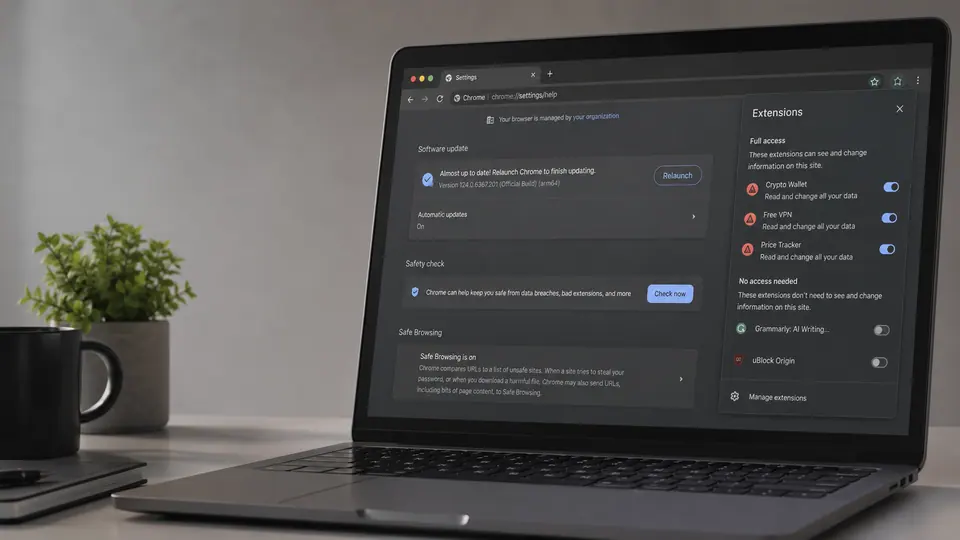
Security coverage around browser and web flaws showed that the most effective reader advice is often the least glamorous: update quickly and reduce risky extensions.

Mobility funding coverage showed that large consumer transport networks can still attract capital, but the margin story matters more than growth alone.

Coverage of Microsoft AI features showed the company continuing to use defaults, system integration, and browser placement as the real distribution engine.
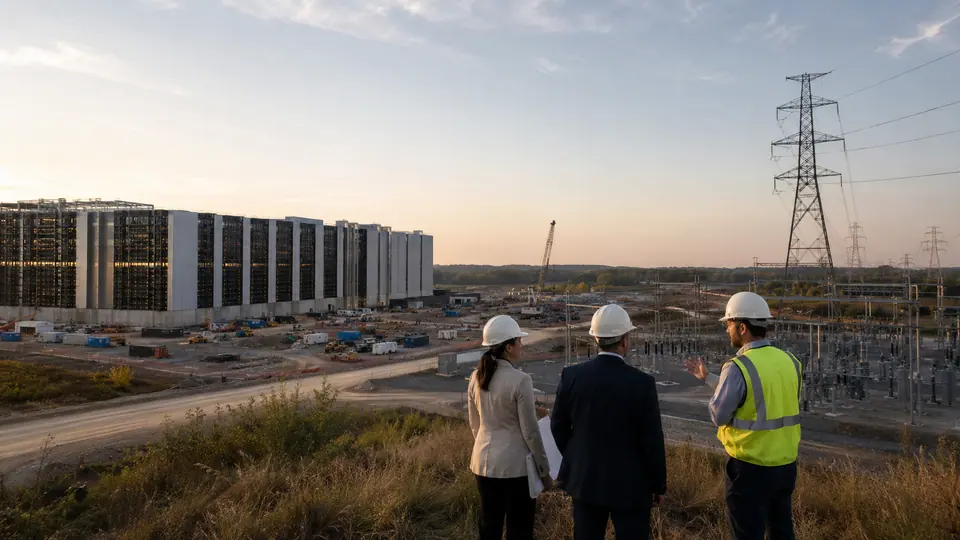
Policy coverage around data centers showed regulators increasingly treating AI infrastructure as an energy, permitting, and resilience question.

Coverage of student AI use and cheating surveys showed that schools are moving from blanket bans toward harder questions about acceptable assistance.
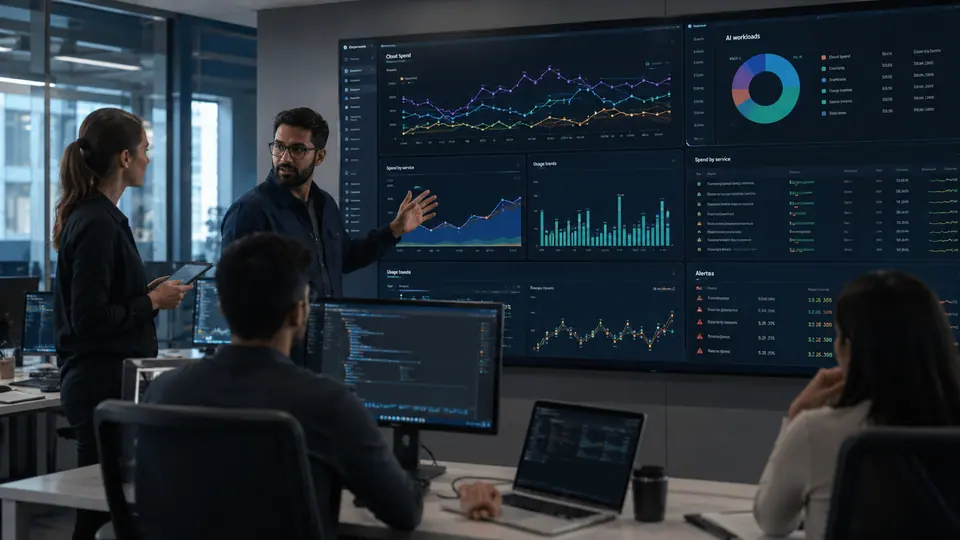
Cloud coverage during the week reinforced that cost visibility is now a product feature, especially as AI workloads make usage harder to predict.

Flagship phone coverage showed brands combining larger sensors, computational photography, and AI features to justify premium upgrades.
Wirestock's funding highlighted a startup category built around supplying licensed image, video, and data assets for multimodal AI systems.

Amazon assistant coverage showed AI moving deeper into shopping, where recommendations, summaries, and comparison prompts can directly influence purchases.

Reports of employee data exposure around major AI firms showed that vendor risk is not abstract when payroll, identity, or HR data is involved.

Coverage of Windows recovery improvements showed that reliability features matter to developers and IT teams because broken machines break delivery schedules.

Coverage of satellite connectivity and telecom spectrum disputes showed policy decisions shaping who can offer broadband, direct-to-device service, and rural coverage.

Coverage of Anthropic's unusual training experiments showed that AI safety work is still partly about understanding behaviors that do not fit clean product demos.
Amazon device coverage suggested the company is more interested in assistant-driven home and shopping surfaces than trying to restart a smartphone fight.
A week of security reporting included destructive data cases that made one lesson plain: privileged access should be logged, limited, and reversible.

Coverage of camera interface changes showed that phone makers are still competing over the fastest path from pocket to usable photo or video.
Open security specification coverage showed platform vendors using standards, not only products, to influence how developers build trusted systems.

Coverage of social app privacy and messaging changes showed why product features can trigger policy attention when they affect large-scale user data.

Reports of Instagram testing real-time sharing formats showed Meta continuing its familiar strategy of absorbing successful social mechanics into a larger network.
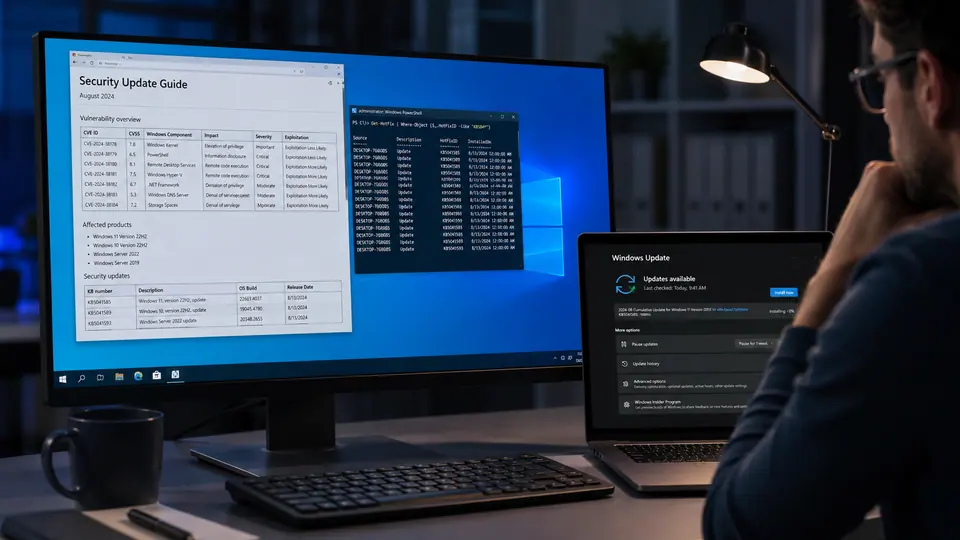
Coverage of Windows vulnerabilities showed the recurring gap between technical advisories and the simple question users ask: how urgent is this update?

Energy startup coverage connected geothermal and power-market stories to AI infrastructure demand, where data centers make electricity strategy a technology issue.

Coverage of enterprise Linux and developer-suite updates showed vendors trying to make AI workloads portable across laptops, private infrastructure, and cloud.

Automotive tech coverage around in-car AI assistants showed automakers trying to make voice and context part of the dashboard experience.

Android AI coverage pointed to a more aggressive assistant layer, with mobile AI moving from optional app into the system surfaces people touch every day.

Reports of scrutiny after education-platform breaches showed that data security failures can quickly become oversight questions.
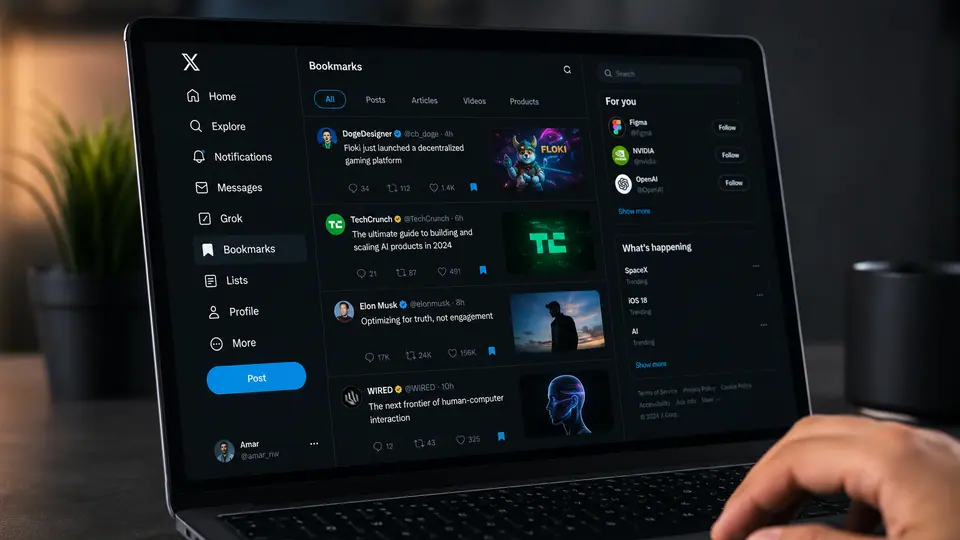
Coverage of X history and saved-activity features suggested the platform is turning bookmarks, watched content, and interactions into a more visible discovery layer.

Reports involving education technology data exposure showed why school platforms now carry the same privacy stakes as enterprise SaaS systems.

Messaging app coverage around private and incognito modes showed that privacy features are increasingly marketed as everyday convenience, not expert settings.
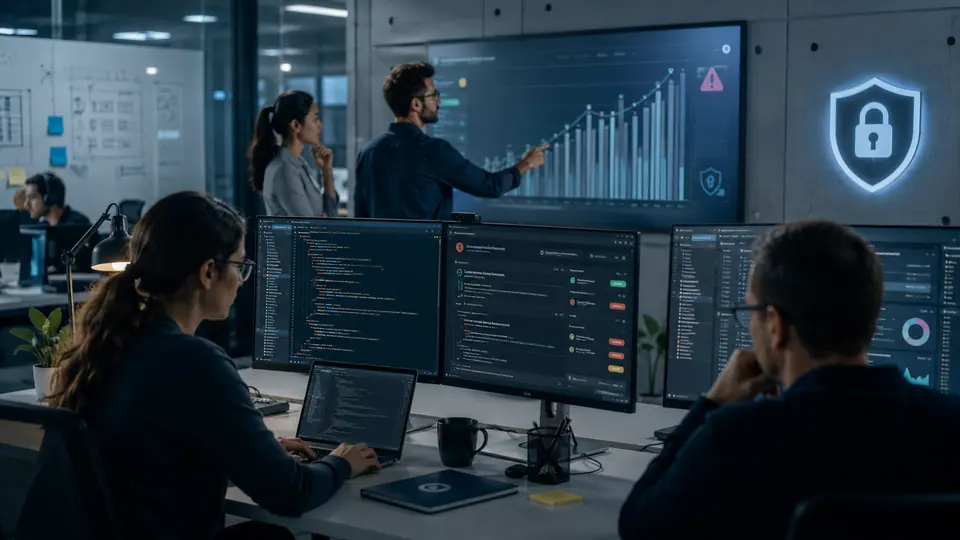
Funding coverage around AI security companies showed a clear market thesis: AI increases software output, so review, monitoring, and governance must scale too.

Platform coverage around job tools and staffing changes showed AI reshaping both the hiring product and the companies that sell it.

Ransomware reporting around large manufacturers and suppliers showed that security incidents can ripple through customers long before full details are public.
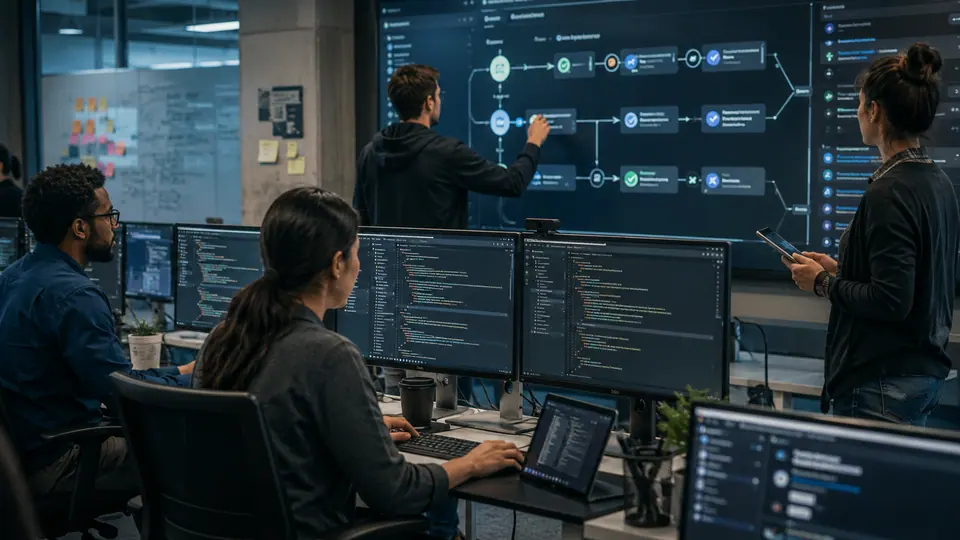
Developer-tool reporting showed AI moving from add-on assistant into planning, code review, deployment, and documentation workflows.
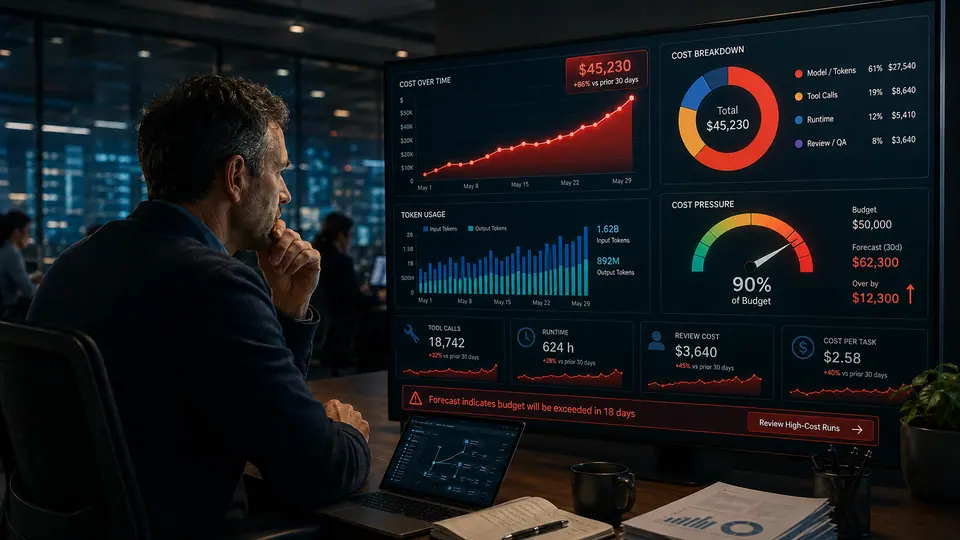
AI agent adoption coverage increasingly centered on cost control, because longer-running tasks can turn token usage, tool calls, and human review into a real budget issue.

Coverage of AI chip restrictions showed export policy becoming part of broader diplomacy involving compute access, national security, and industry pressure.

Coverage of Android app pause and attention features showed that phone makers are still trying to make distraction controls simple enough to use.

Reports of fresh venture capital vehicles showed investors continuing to focus on AI infrastructure, data, security, and enterprise adoption.

Reports about agentic browsing and AI browser features showed that the browser is becoming one of the most valuable places to distribute assistants.

Coverage of orbital and unconventional data center concepts showed how compute growth is pushing infrastructure thinking into stranger territory.

Platform reporting continued to show app stores as the point where payments, discovery, developer rules, and regulation collide.

AI laptop coverage showed that consumers still need practical examples beyond model names, chip labels, and benchmark claims.

Reports on AI use in schools showed administrators trying to define where assistance ends and academic misconduct begins.
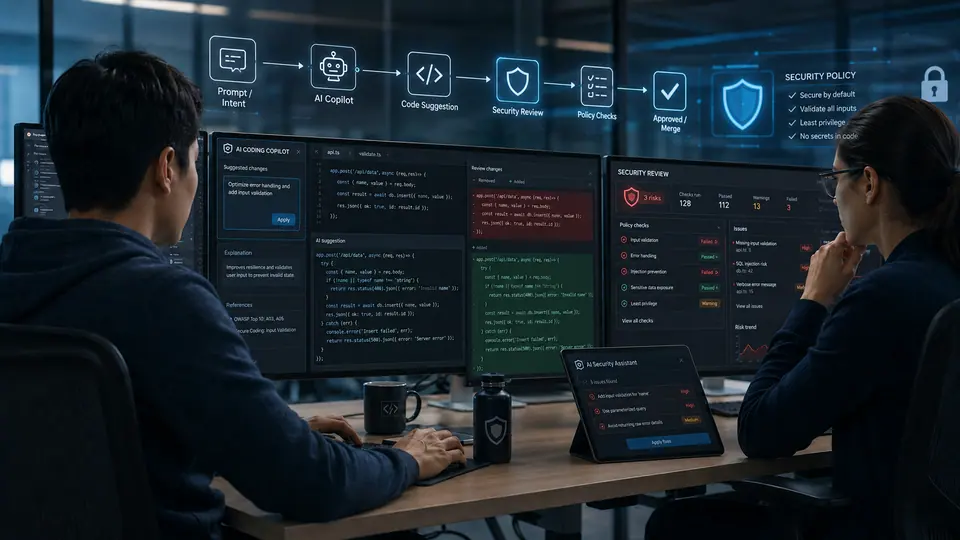
Coverage of new AI security platforms showed that companies want code assistants, but they also want evidence that generated changes do not quietly widen risk.

Voice AI startup coverage showed investor appetite for products that make AI useful before users open a blank chat window.
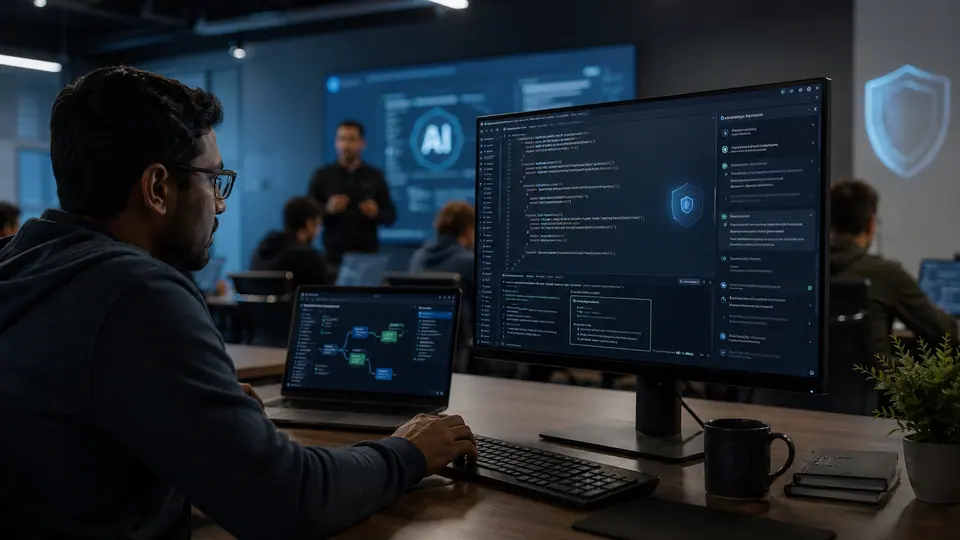
Coverage of AI-aware secure coding modules showed training vendors adapting to a world where developers review generated code as often as they write it.

Reports around AI-focused laptops highlighted that the real fight is the software layer, where device makers want assistants, apps, and cloud services to feel native.

Coverage of WhatsApp subscription experiments showed platforms looking for paid features without breaking the basic expectation of free messaging.

Hardware startup funding coverage suggested that investors are still backing physical products when the market niche is clear and margins are credible.

Coverage of AI-related lawsuits showed that courts, families, and regulators are asking companies to explain safety design in human terms, not only technical terms.
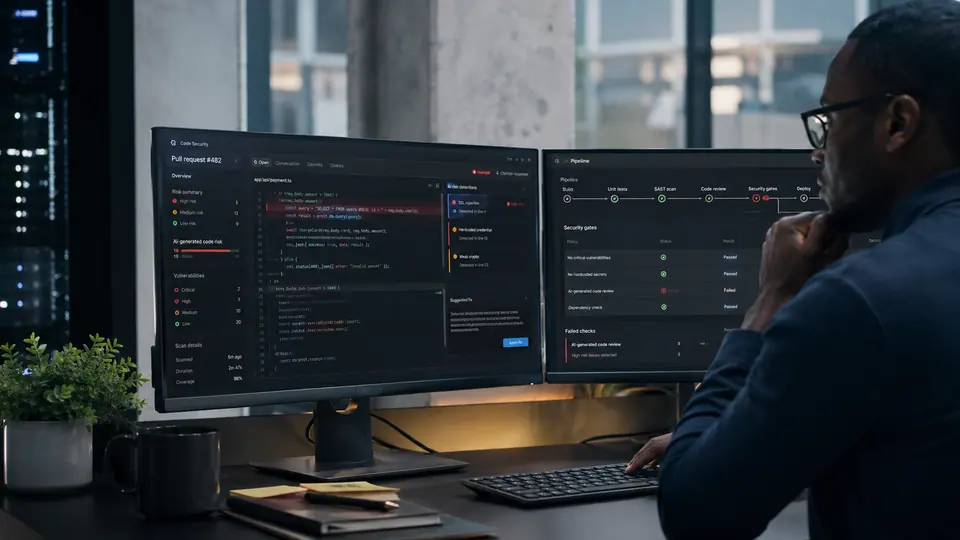
New security tooling coverage showed a clear buyer need: review AI-generated or AI-assisted code before it becomes production debt.

Reports of shipment softness suggested phone buyers are stretching upgrade cycles and waiting for clearer reasons to replace capable devices.

New voice AI funding and product coverage suggested the interface fight is moving beyond chat boxes into always-available dictation and command layers.

Policy reporting around copyright cases showed that internet infrastructure providers can face pressure over user activity far from traditional media platforms.

Coverage of startup layoffs during the week showed that restructuring is often a sign of changing demand, not only a cash problem.

Developer coverage kept pointing to open AI tooling, but sustainability depends on maintainers, licenses, and project governance as much as benchmarks.

Coverage of gaming subscription bundles showed platforms using perks and rewards to keep users inside larger app ecosystems.

Regional Google service outage coverage showed how quickly everyday work depends on a small number of platform providers.

Coverage of automotive privacy enforcement showed regulators focusing on the data cars generate long after a driver leaves the dealership.
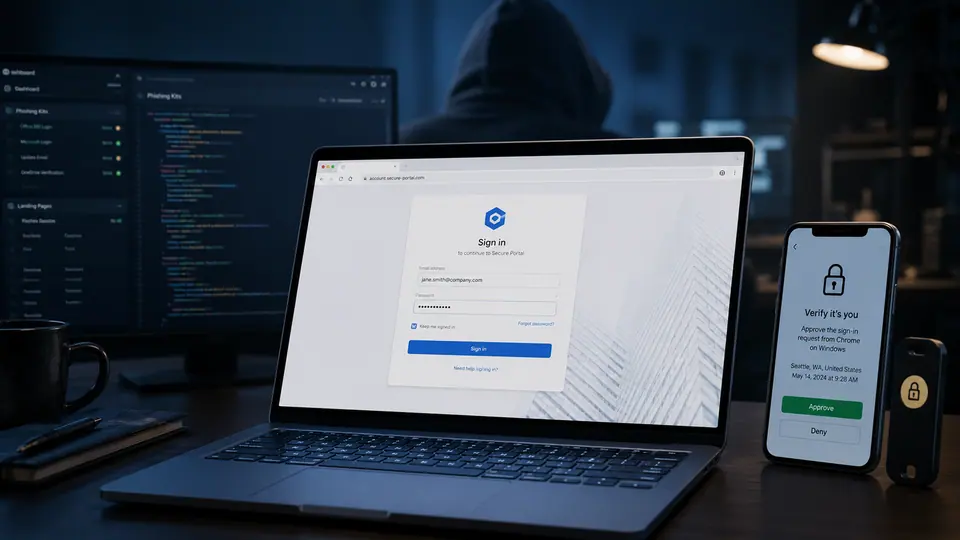
Security coverage during the week kept showing phishing pages and kits becoming more polished, making identity controls more important than awareness alone.
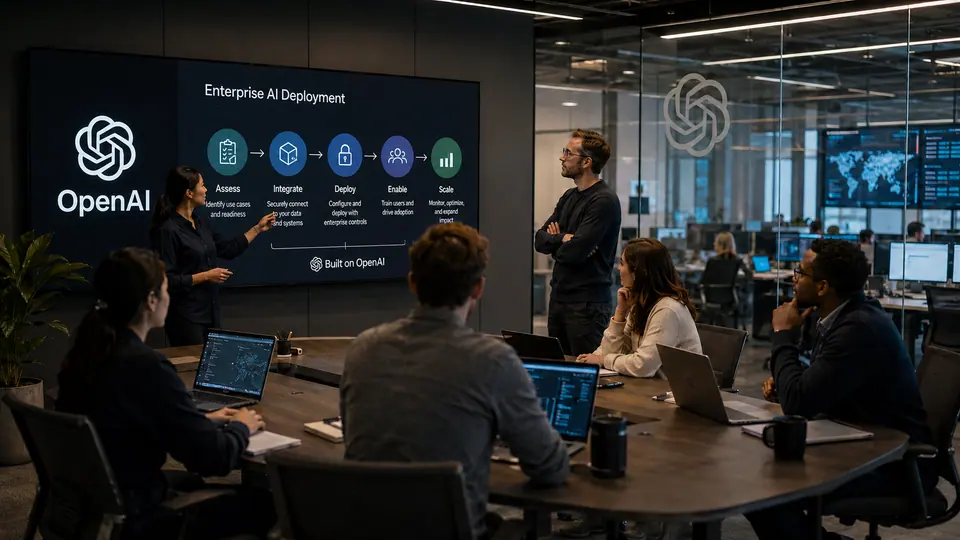
Coverage of OpenAI's deployment-focused moves pointed to a broader AI market shift from model access toward implementation, integration, and managed rollout.
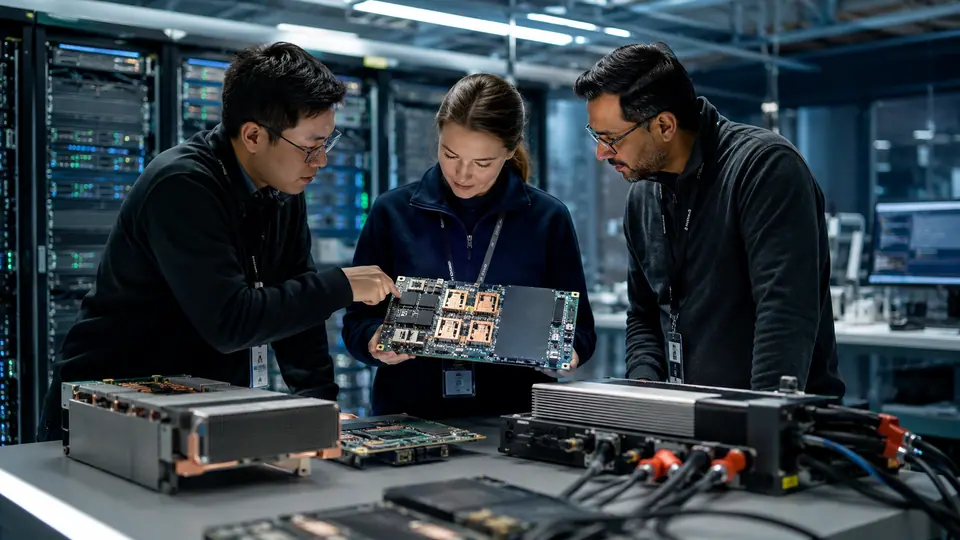
Reports about custom CPU and accelerator work showed that cloud differentiation is increasingly tied to silicon, power, and specialized workloads.

Startup reporting around AI deployment firms suggested the next opportunity may be helping companies operationalize models rather than selling another chatbot.

Local and hybrid AI apps are using privacy, latency, and data control as their strongest selling points against cloud-only assistants.
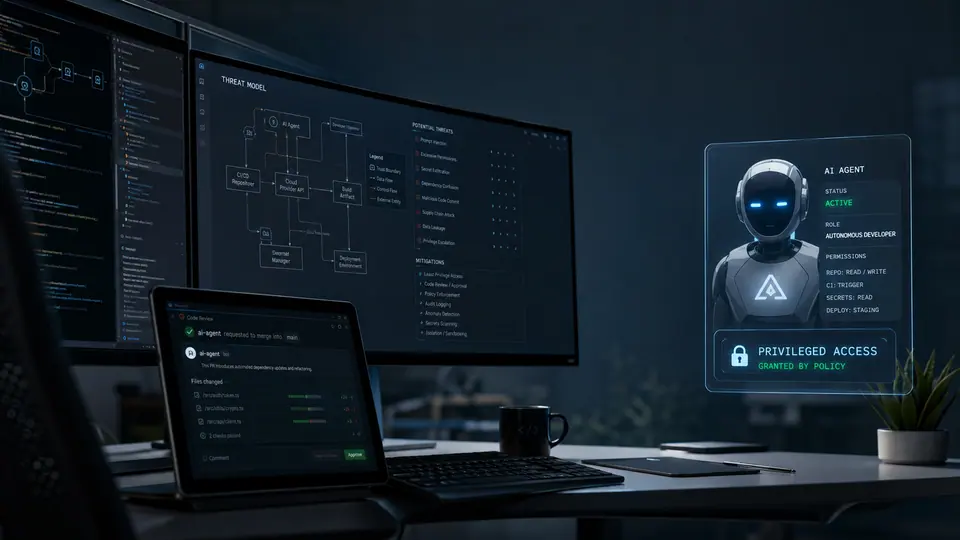
Reports about flaws affecting AI coding workflows underlined that an agent with repository access is not just a helper. It is a new privileged actor.

Defense technology funding coverage showed investors treating autonomy, sensing, and manufacturing capacity as durable infrastructure bets.

Policy coverage around AI and copyrighted works showed that training data disputes are no longer side issues. They can change licensing, product design, and launch timing.

Messaging-platform coverage showed that encryption changes are not just settings. They are signals about how platforms balance growth, moderation, and user trust.
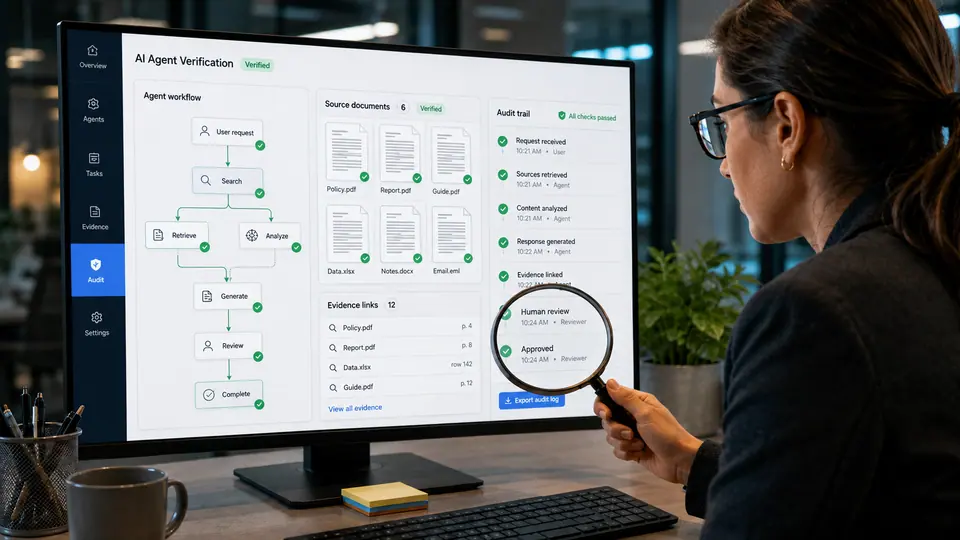
AI agent coverage kept moving from demos toward real workflow claims, but the practical question remained whether users can audit what agents did.
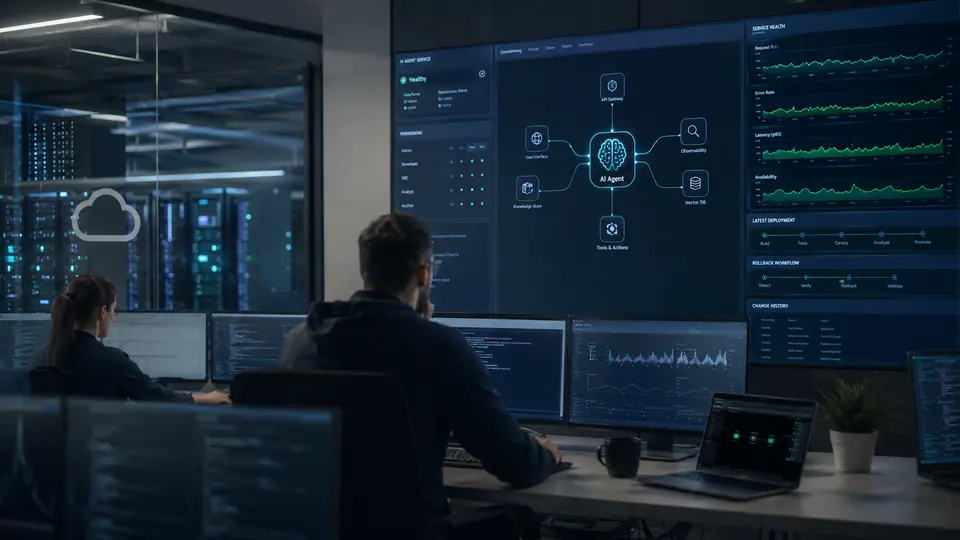
Developer infrastructure coverage showed teams moving AI agents into production-style controls, including monitoring, permissions, and rollback paths.

Consumer-tech coverage showed AI phone features moving into keyboards, cameras, galleries, and settings rather than living only in standalone assistant apps.
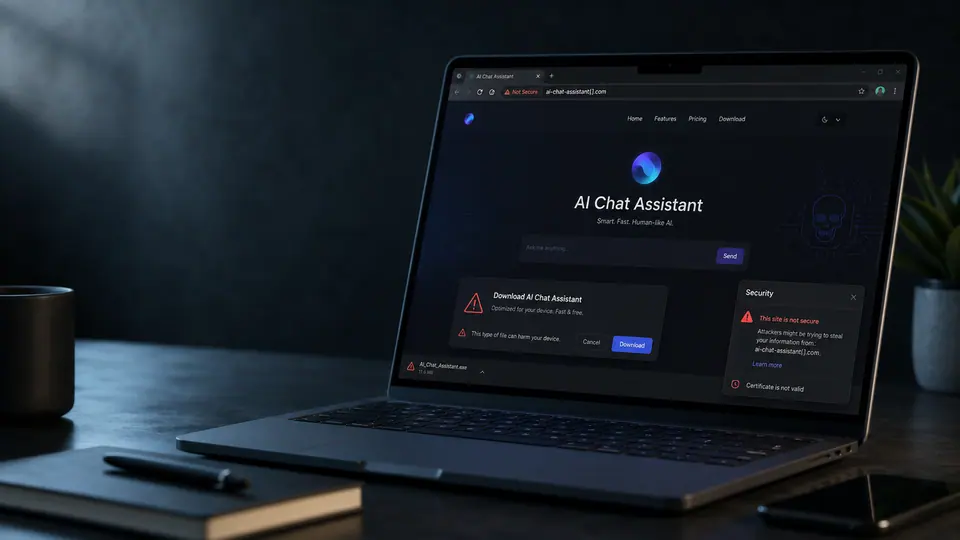
Security reports highlighted fake AI service pages pushing backdoors, showing how attackers are using AI brand confusion as a delivery channel.