Your incident may start in someone else's network
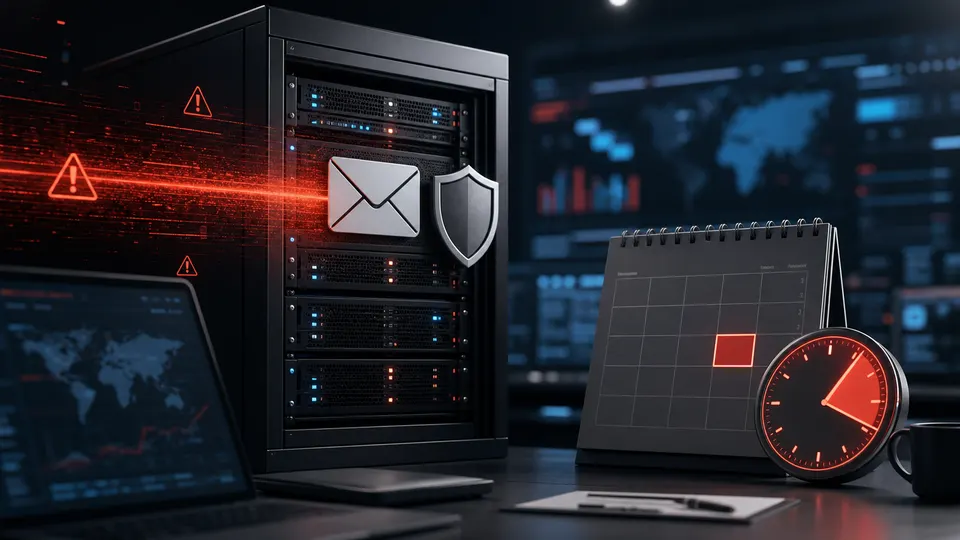
Ransomware risk is no longer only a question about an organization's own systems. Reporting around large manufacturers and suppliers keeps showing how an incident at one company can ripple outward before customers have full clarity. A supplier outage can interrupt orders, delay production, slow support, block access to portals, or force manual workarounds. The affected customer may not have been breached, but it can still feel the operational impact. That makes ransomware a supplier problem as much as an internal security problem.
This is difficult because early incident statements rarely answer every operational question. Companies under pressure may confirm disruption, say they are investigating, and provide limited detail while they contain the event. That restraint can be understandable, but customers still need to make decisions. Do they activate backup suppliers? Do they warn their own customers? Do they expect delays? Do they change payment or communication procedures? The lack of detail becomes part of the business risk.
Procurement has to ask security questions sooner
Supplier security often enters the conversation too late. Procurement may focus on price, capability, contract terms, and delivery, while security review becomes a form or checklist near the end. Ransomware disruption shows why that order is fragile. A supplier's resilience can affect the customer's own ability to operate. That does not mean every vendor needs the same level of scrutiny. It does mean critical suppliers should be evaluated for continuity, incident communication, backup processes, and recovery expectations before the relationship becomes essential.
Better visibility starts with mapping dependency. Which suppliers are operationally critical? Which ones touch sensitive data? Which ones provide systems that employees or customers rely on daily? Which ones would be hard to replace quickly? Those categories matter more than a generic vendor list. A small provider can be critical if it sits inside a key process. A large supplier can create broad exposure if many teams depend on the same service.
Incident communication is part of resilience
When ransomware affects a supplier, communication quality matters. Customers need practical updates, not just legal language. They need to know which services are unavailable, which workarounds are safe, whether data exposure is suspected or unknown, and when the next update will arrive. Early messages may not have all the answers, but they can still be useful if they separate known facts from ongoing investigation.
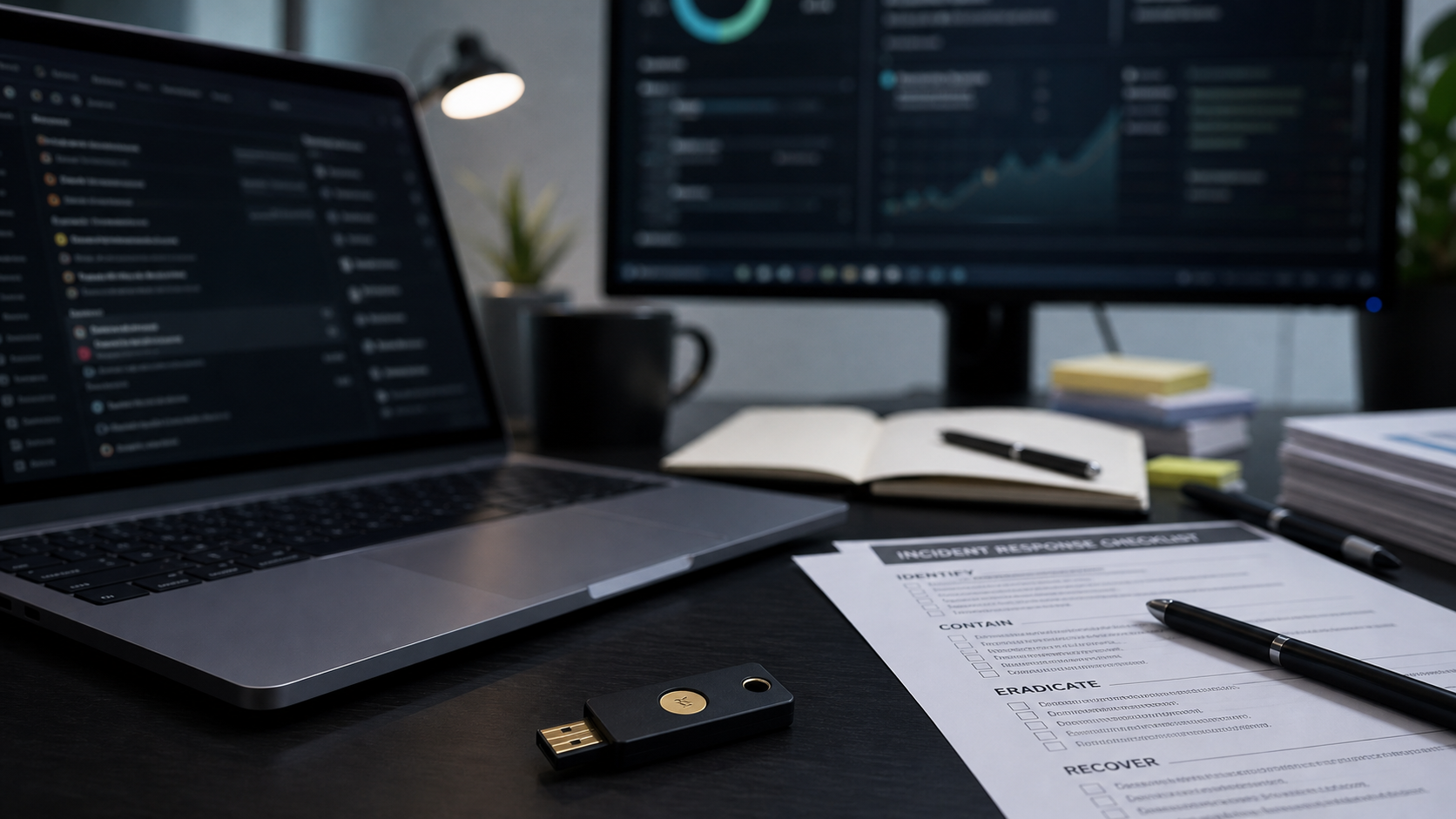
Contracts can help, but they are not magic. Notification timelines, security obligations, and continuity requirements are useful only if the customer has a plan for receiving and acting on that information. A procurement team may hold the contract, an operations team may feel the disruption, and a security team may evaluate the incident. Those groups need a shared playbook before a supplier crisis begins.
For smaller organizations, this may sound heavy, but the first steps are manageable. Identify the suppliers that would hurt most if unavailable for several days. Keep alternative contacts and support channels outside the affected vendor's normal portal. Ask critical vendors how they communicate during incidents. Confirm whether manual processes exist for urgent transactions. Review whether backups, exports, or local records would let your organization keep working if a platform went down.
The broader lesson is that ransomware planning cannot stop at the firewall. Attackers may hit a supplier, but the disruption can land in your queue, your factory, your school, your clinic, or your customer support team. Security visibility in procurement is not bureaucracy for its own sake. It is a way to understand which outside failures can become inside emergencies.