
Policy
Musk's OpenAI Case Just Ran Into the One Thing Money Can't Buy: Time
A federal jury found Musk waited too long to sue OpenAI over its for-profit shift, giving OpenAI a legal win without ending the bigger AI governance debate.
AI regulation, antitrust, privacy, copyright, chip controls, and technology law.
A federal jury found Musk waited too long to sue OpenAI over its for-profit shift, giving OpenAI a legal win without ending the bigger AI governance debate.
Crypto policy is now being fought through campaign money, midterm pressure, and lawmakers deciding how much the industry gets to shape its own rules.

Anthropic's 2028 AI leadership paper links U.S.-China competition to chip controls, allied coordination, and the cost of frontier compute.

Policy coverage around data centers showed regulators increasingly treating AI infrastructure as an energy, permitting, and resilience question.

Coverage of satellite connectivity and telecom spectrum disputes showed policy decisions shaping who can offer broadband, direct-to-device service, and rural coverage.
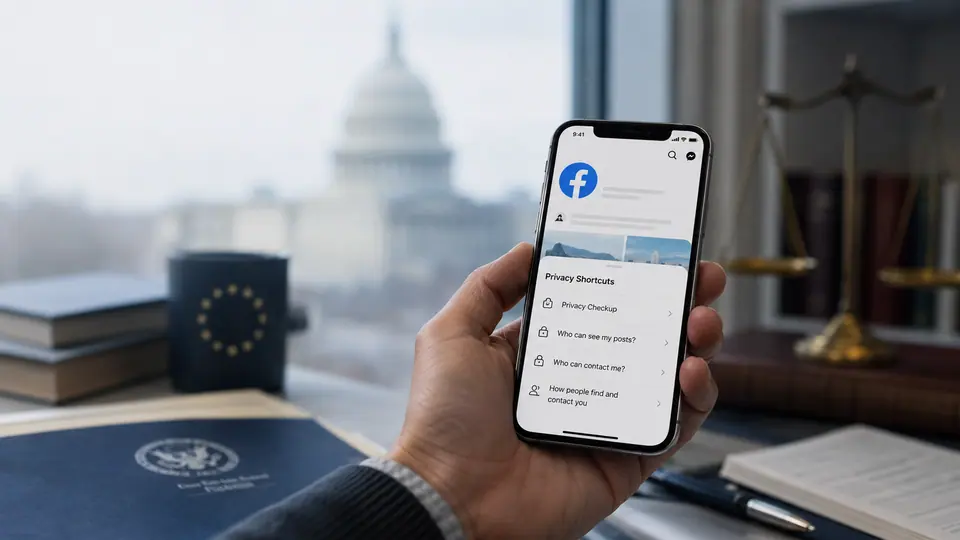
Coverage of social app privacy and messaging changes showed why product features can trigger policy attention when they affect large-scale user data.
Reports of scrutiny after education-platform breaches showed that data security failures can quickly become oversight questions.

As companies test fleets of AI agents, the next startup opportunity is not just building agents. It is managing and governing them.

Apple’s reported Siri auto-delete plan shows the central AI assistant tradeoff: memory makes assistants useful, but storage makes them sensitive.

NGINX sits in front of enough public services that any active-exploitation report deserves a disciplined operator response.