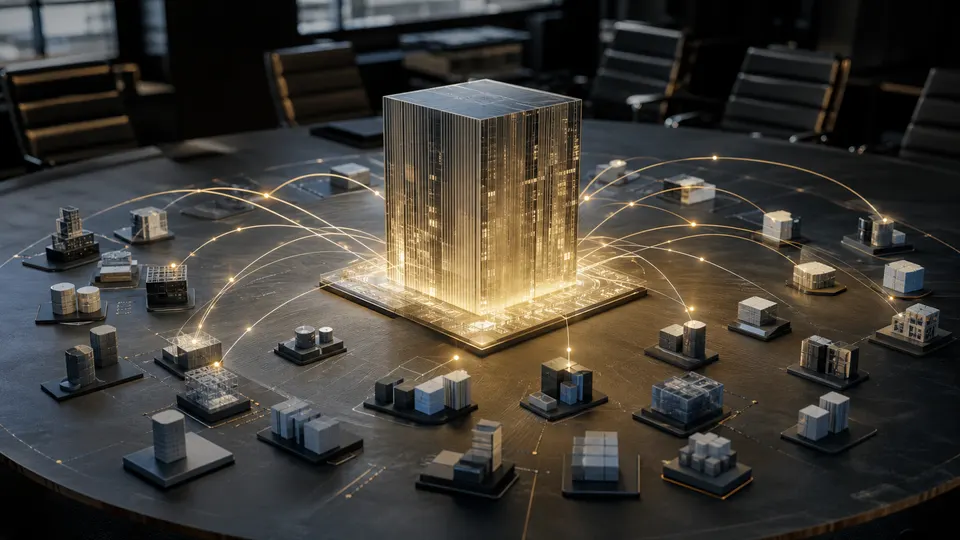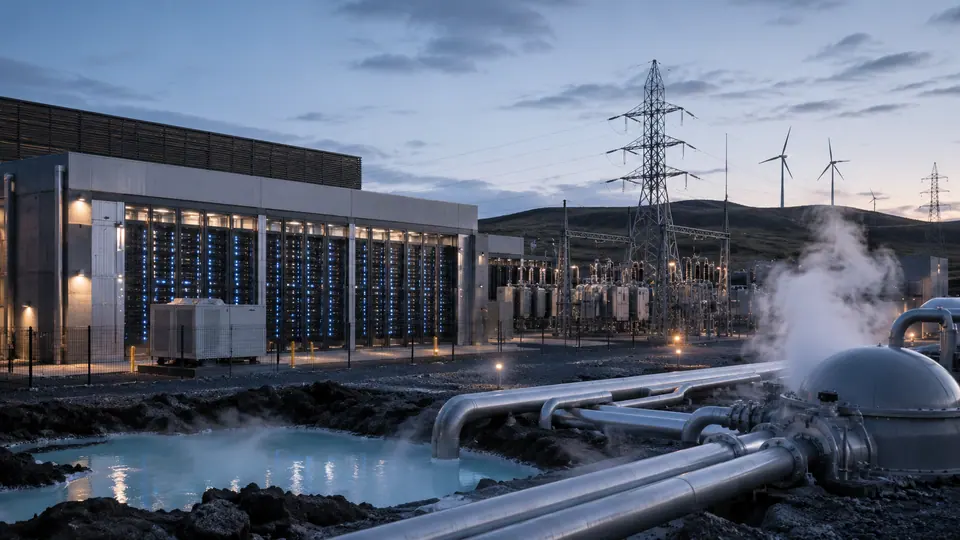
Energy startups are increasingly being discussed as part of the AI infrastructure story. That may sound unusual at first, but it reflects a practical reality. AI systems depend on data centers, data centers depend on reliable electricity, and electricity strategy can shape where compute gets built. Power is becoming a technology constraint.
This shift is pulling geothermal, grid, storage, and power-market companies into conversations that once centered mostly on chips and cloud platforms. If AI demand keeps increasing, the ability to secure clean, reliable, and scalable energy becomes more than an operational detail. It becomes part of the competitive map.
Compute Needs A Power Plan
Data centers are not abstract digital facilities. They are physical sites with land, cooling needs, grid connections, and energy contracts. When compute demand rises, the pressure moves into electricity markets. Regions with available power and reliable infrastructure may become more attractive for AI deployment. Regions with constrained grids may face delays or higher costs.
That creates a new opening for energy startups. A company that can deliver reliable geothermal capacity, improve grid flexibility, support storage, or help buyers navigate power procurement may become relevant to AI infrastructure even if it does not build AI software. The connection is execution. Can the company help make compute expansion possible?
Investors are paying attention because the bottleneck is tangible. AI applications may be digital, but their growth can be limited by physical capacity. This makes energy startups feel closer to the infrastructure stack than before. They are not just climate stories or utility stories. They can also be compute enablement stories.
Execution Matters More Than Narrative
The danger is that AI demand can become a convenient label for any energy pitch. Not every power startup is an AI infrastructure company. To earn that framing, a startup has to show how its technology, project pipeline, financing model, or market access connects to real demand from data centers or related infrastructure buyers.
Energy projects are often slow, capital intensive, and dependent on permitting, interconnection, engineering, and local market rules. Startups cannot talk their way around those realities. Execution capacity is central. Investors need to understand whether a company can move from concept to deployed capacity on timelines that matter.
Geothermal and other firm power approaches are especially interesting because reliability is valuable. AI infrastructure cannot depend only on broad enthusiasm for clean energy. It needs power that can support demanding operations. That does not mean one energy source solves everything. It means reliability, location, cost, and scalability all become part of the technology conversation.
Geography Becomes Strategy
Power availability can influence where AI infrastructure grows. If certain regions can support large data center loads more easily, they may attract more investment. If other areas face grid constraints, projects may slow down or require new arrangements. Energy startups that understand these local dynamics can become strategic partners rather than commodity suppliers.
This also changes how buyers evaluate risk. A data center operator or cloud provider may care about energy price, uptime, regulatory exposure, sustainability goals, and speed to connection. Startups that can speak to those concerns with evidence have a stronger pitch than those relying only on the size of AI demand.
The broader startup lesson is that infrastructure stories are converging. AI is no longer only about models, chips, and applications. It is also about power, cooling, sites, and delivery. Energy startups that can execute may find themselves evaluated through a new lens: not just whether they can produce electricity, but whether they can help determine where the next layer of compute can actually run.