Softness in smartphone shipments points to a buyer who is not necessarily finished with phones, but is harder to persuade. Many people already own devices that are fast enough, have good enough cameras, and receive enough software support to keep going. The old rhythm of upgrading every couple of years feels less automatic when the phone in a pocket still handles maps, payments, messaging, photos, video, and work apps without much complaint.
The capable phone problem
This is a strange success story for the industry. Phones became so good that replacement became less urgent. A cracked screen, weak battery, limited storage, or broken charging port can still push someone to buy. But the average annual improvement is harder to feel than it was when screens were getting dramatically larger, mobile networks were changing quickly, and camera quality was making obvious leaps. Today, the upgrade pitch has to compete with the fact that last year's phone, or even a phone from several years ago, may still be perfectly livable.
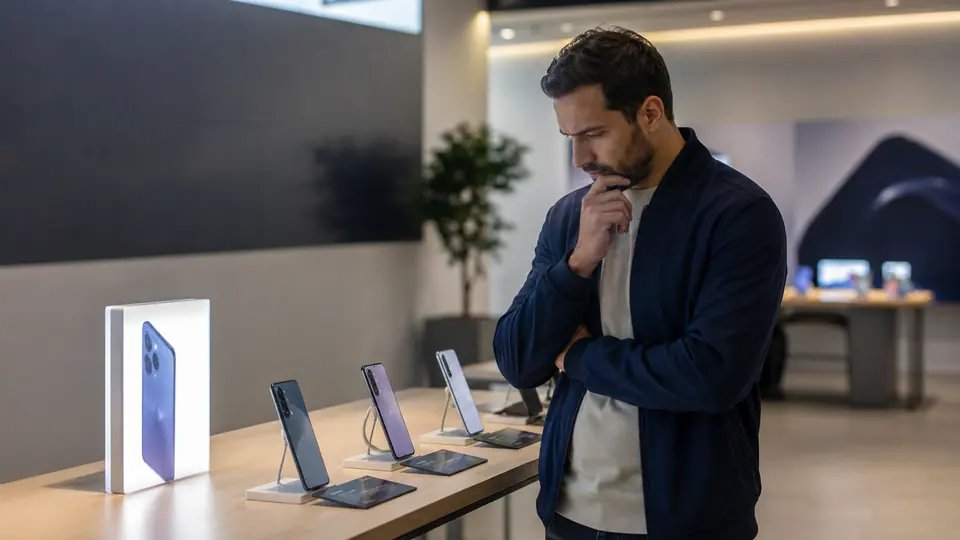
Longer device life changes launch pressure. A new model cannot rely only on being new. It needs a reason that is visible in normal use. That could be battery life, repairability, camera performance, software support, durability, or a feature that saves time every day. Spec sheets still matter to enthusiasts, but selective buyers are asking a simpler question: what will this phone do that my current one does not?
AI is becoming the next argument
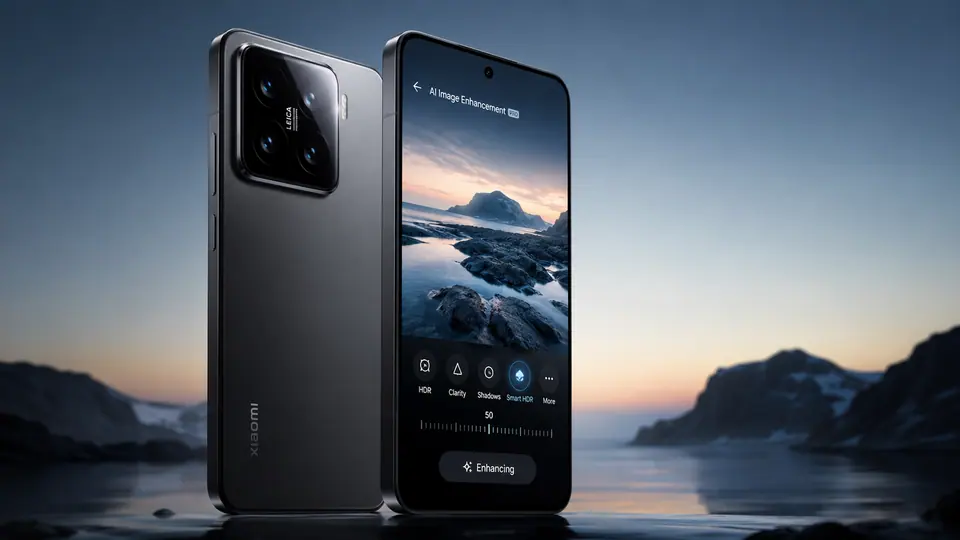
AI features are likely to become one of the next major upgrade arguments. Phone makers can use them to suggest that older devices are not just slower, but less capable in a new category of computing. The pitch might be smarter photo editing, live translation, call summaries, writing help, contextual search, or more personal automation. Some of those tools could become genuinely useful. But AI also has to overcome skepticism because consumers have seen plenty of software features that sounded important and then faded into settings menus.
For AI to move shipments, it needs to be concrete. A buyer should be able to understand the benefit in one sentence and see it in a task they already do. Battery impact matters too. If AI features shorten battery life or require constant cloud processing, the pitch becomes more complicated. Privacy will also influence adoption, especially when features interact with messages, photos, voice, and personal routines. A selective buyer may not reject AI, but they will need more than a chip label to care.
Price sensitivity is not going away
In large markets, price remains one of the biggest forces shaping upgrade timing. Premium phones can still attract buyers who want the best cameras, displays, and materials, but many consumers are comparing that price with rent, groceries, subscriptions, and other devices. Midrange phones have improved enough to make that comparison uncomfortable for flagship brands. If a less expensive model covers the basics, the premium tier has to justify itself more clearly.
Trade-in programs, financing, and carrier deals can soften the sticker shock, but they do not erase the underlying hesitation. Consumers increasingly understand that a phone is not just a purchase, but a multi-year commitment with insurance, accessories, cloud storage, repairs, and subscriptions around it. A buyer stretching an upgrade cycle is often being rational, not disengaged.
This more selective market may be healthier in some ways. It pushes companies to support devices longer, explain features better, and compete on practical improvements rather than annual novelty. It also means launch events may need to become less about spectacle and more about proof. The next phone that wins cautious buyers will not simply be the newest. It will make the replacement feel sensible.