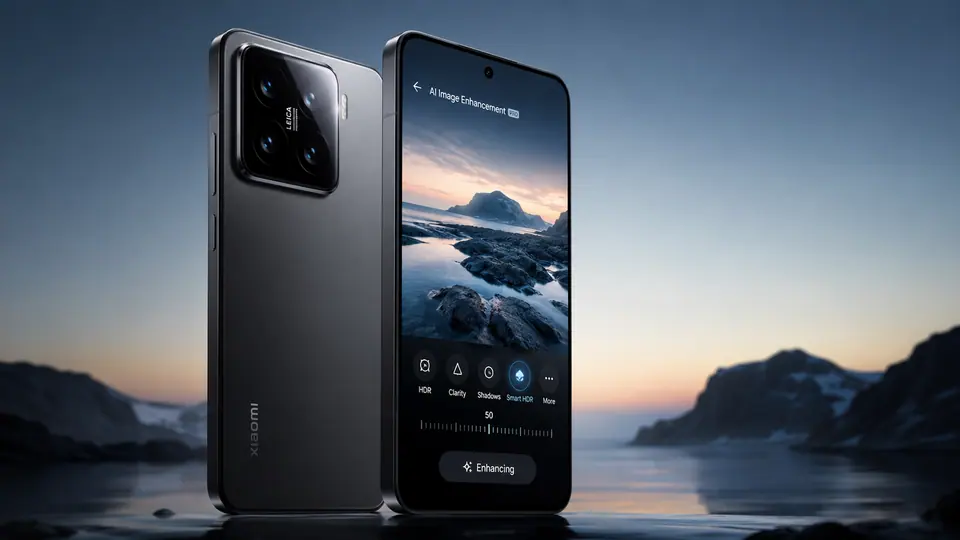
Amazon's device strategy looks more convincing when it avoids trying to restart a smartphone fight. The company has already learned how difficult it is to enter a mature phone market where distribution, apps, carriers, cameras, and brand loyalty all work against a late challenger. Its stronger position is not in convincing people to replace the phone in their pocket. It is in placing assistant-driven surfaces around the home, car, and daily shopping routine.
The phone was the wrong battlefield
A smartphone asks for total commitment. It needs to be a great camera, communication device, app platform, payment tool, navigation screen, media player, and status object. It also needs deep developer support and carrier or retail momentum. That is a brutal category for a company whose greatest strengths are services, commerce, logistics, media, and cloud-connected experiences. A phone can showcase those strengths, but it also forces the company to compete on everything else at once.
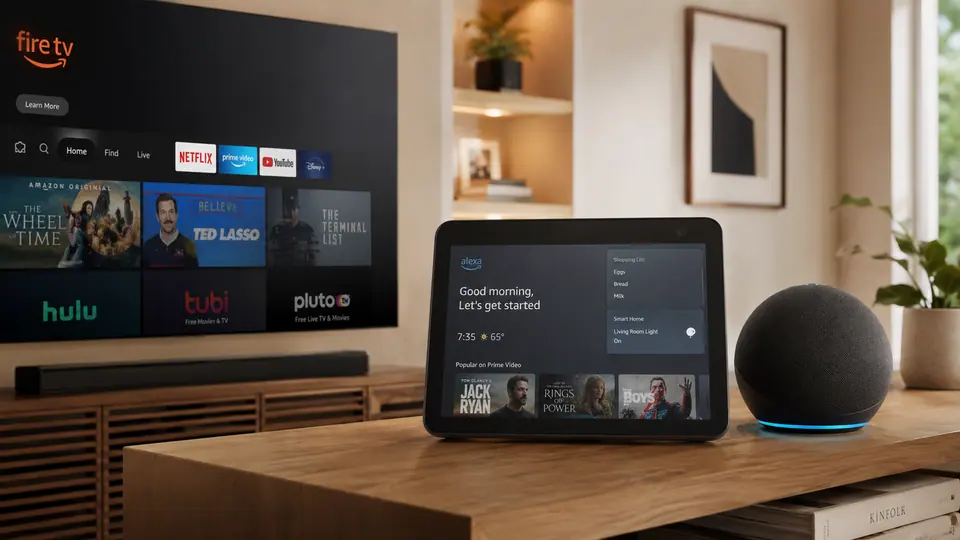
Amazon does not need to own the smartphone to be present in a user's day. It can live in speakers, displays, TV devices, tablets, doorbells, cars, earbuds, and shopping interfaces. These products do not have to replace the central device. They can surround it. That is a more natural fit for a company that benefits when people ask questions, reorder items, watch media, manage the home, and move through services tied to an account.
Assistant hardware has more rooms to grow
Assistant-led devices work best when they match a location. A kitchen display can show recipes, timers, lists, video, and delivery updates. A living room device can connect entertainment and smart home controls. A car integration can help with music, navigation, calls, and reminders. A bedside device can handle alarms, routines, and quick questions. None of these surfaces need to beat the smartphone outright. They only need to be useful enough in the moment.
This distributed approach also gives Amazon room to experiment with form factors and prices. A home device can be cheaper, more specialized, and more communal than a phone. It can be bought as an addition rather than a replacement. That matters because consumers are cautious about changing phones, but they may be more willing to add a device that solves a specific household problem.
The commerce layer is the advantage
Amazon's strategic advantage is that many assistant interactions can connect naturally to commerce and services. A reminder can become a reorder. A recipe can become a grocery list. A show recommendation can lead to a streaming session. A smart home routine can reinforce the value of connected devices. This is powerful, but it also has to be handled carefully. If every assistant surface feels like a shopping funnel, users may start to distrust it.
The best version of the strategy is helpful first and commercial second. People will accept a reorder prompt when they asked for it or when it clearly saves time. They will be less patient with suggestions that feel inserted into private routines. Assistant hardware sits in intimate spaces, so trust is a product feature. Microphones, cameras, household profiles, and purchase controls need plain settings and predictable behavior.
The lesson from the smartphone trap is not that Amazon should avoid hardware. It is that hardware should serve the company's ecosystem without forcing a head-on battle in the hardest consumer device category. Smart displays, speakers, streaming devices, tablets, and car integrations can all act as service doors. They can make the account more useful without asking users to abandon their preferred phone.
That strategy may be less glamorous than launching a flagship handset, but it is more realistic. The modern home and car are full of small computing surfaces. Amazon's opportunity is to make those surfaces useful, affordable, and connected to services people already use. Avoiding the smartphone fight is not a retreat. It is a recognition that the assistant layer does not have to live in one pocket to matter.