


Burner phones are often depicted in media as tools for criminals or spies, but their modern equivalent, burner phone numbers, are accessible to anyone. These services provide a temporary, disposable phone line that can be managed directly from a regular smartphone, eliminating the need to purchase and discard physical devices. This article explores what burner phone numbers are, their effectiveness, and how to obtain one.
What is a burner phone number
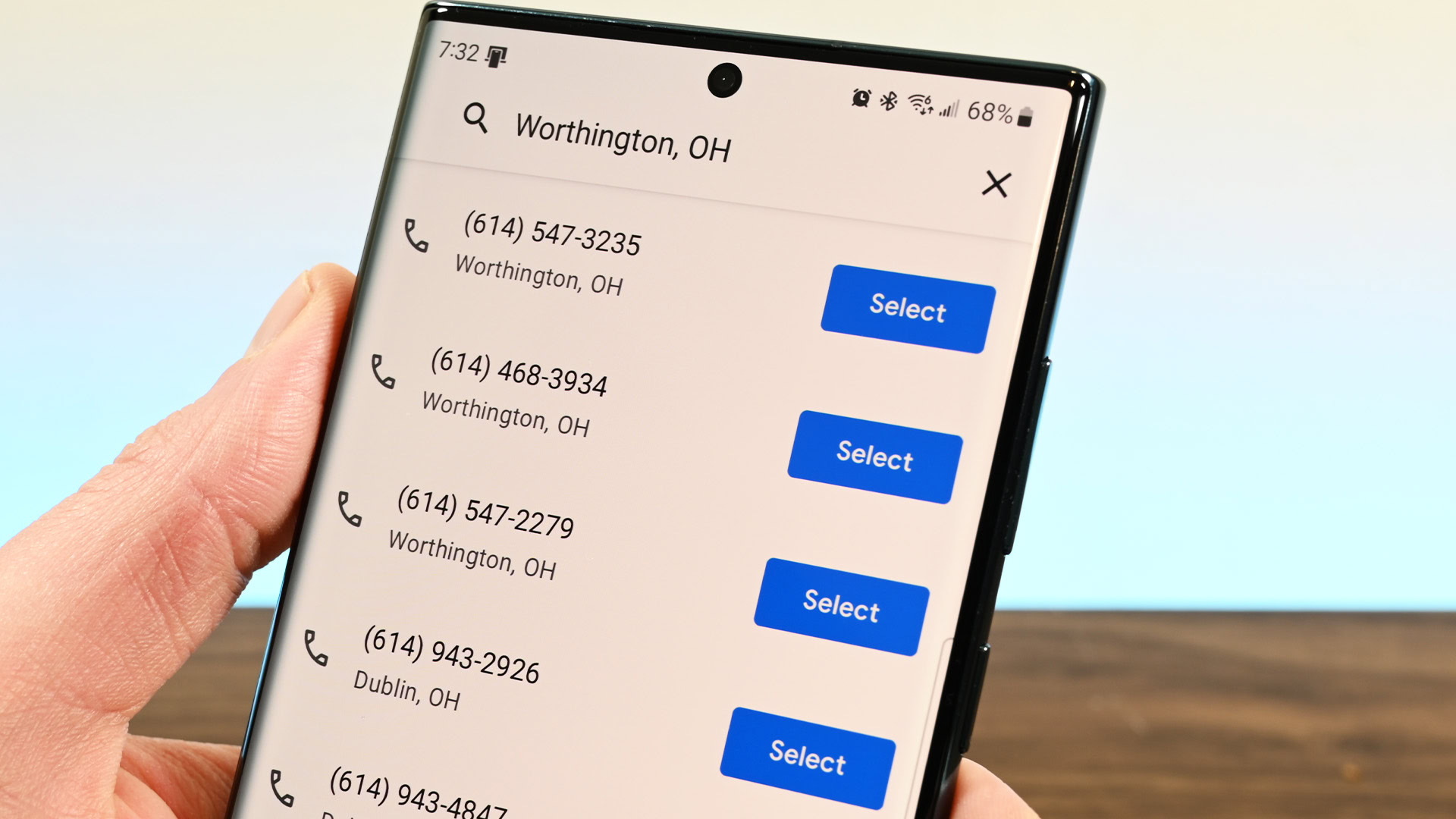
A burner phone number is a temporary, disposable phone line that can be used and then easily discarded. While the term “burner phone” often brings to mind cheap, physical devices used in fiction by individuals seeking anonymity, a burner phone number offers a similar function without requiring a separate device. Instead, a service or app provides a secondary phone number that operates through your existing smartphone. When the number is no longer needed, it can be deleted from the app, and a new one can be acquired. This method provides the convenience of a disposable number directly on a primary device, and from a reputable provider, it can offer a degree of privacy comparable to a physical burner phone.
Why would I use a burner phone number
Beyond illicit uses, there are practical reasons for individuals to utilize a secondary, more private phone number:
- Reduce unwanted calls — Using a burner number for online sign-ups or transactions can help prevent your primary number from being added to spam call lists.
- Temporary interactions — For interactions like buying or selling on platforms such as Facebook Marketplace or Craigslist, arranging Airbnb rentals, job searching, or communicating on dating apps, a temporary number can be ideal.
- Protecting personal privacy — There are instances where individuals simply prefer not to share their primary phone number with others or with businesses, regardless of a specific reason.
- Cost-effectiveness — In some scenarios, burner numbers can be more affordable than traditional cell phone plans. It is possible to combine home Wi-Fi with a basic smartphone and a burner number service to potentially reduce overall communication costs, though the number would only function when connected to Wi-Fi.
Can a burner phone number be traced
Generally, burner phone numbers are traceable. All phone communications are routed through carrier networks, and these carriers maintain records of activity, including data usage, texts, and call logs. Location tracking is also possible through the cell towers a phone connects to. Therefore, using a burner number for illegal activities is not advisable, as law enforcement can still identify the user.
However, tracing a burner number can be more challenging than tracing a primary number. Some services employ intermediary systems that route calls through a burner number, obscuring the user’s actual location. After a number is “burned” or discarded, the service provider may delete associated data, making it appear as if the number was never used, aside from the carrier’s persistent phone logs. The reliability of this level of anonymity is often emphasized in promotional materials.
What are the drawbacks of a burner phone
Despite their benefits, burner phone numbers have several limitations:
- No emergency services access — Many burner number providers do not support dialing emergency services.
- Incompatibility with 2FA — Burner numbers are often not accepted for two-factor authentication services.
- Recycled numbers — It is possible to receive calls or texts intended for a previous owner of a recycled number.
- Associated costs — Obtaining a secondary phone line incurs a fee. While often less expensive than a primary line, this additional cost should be considered.
- Limited anonymity compared to fiction — Real-world burner numbers can be traced more easily than often portrayed in media. Active numbers can be linked to individuals through purchase records, location data, or personal information provided during sign-up, especially if a debit or credit card is used.
- VoIP limitations — Most burner number services rely on Voice over Internet Protocol (VoIP), which requires a stable internet connection and may have restrictions, such as the inability to access emergency services or use the number for certain other services.
How do I get a burner phone number
For those interested in obtaining a burner phone number, several companies offer such services. The following list provides options, with links directing to their respective plans pages for cost details:
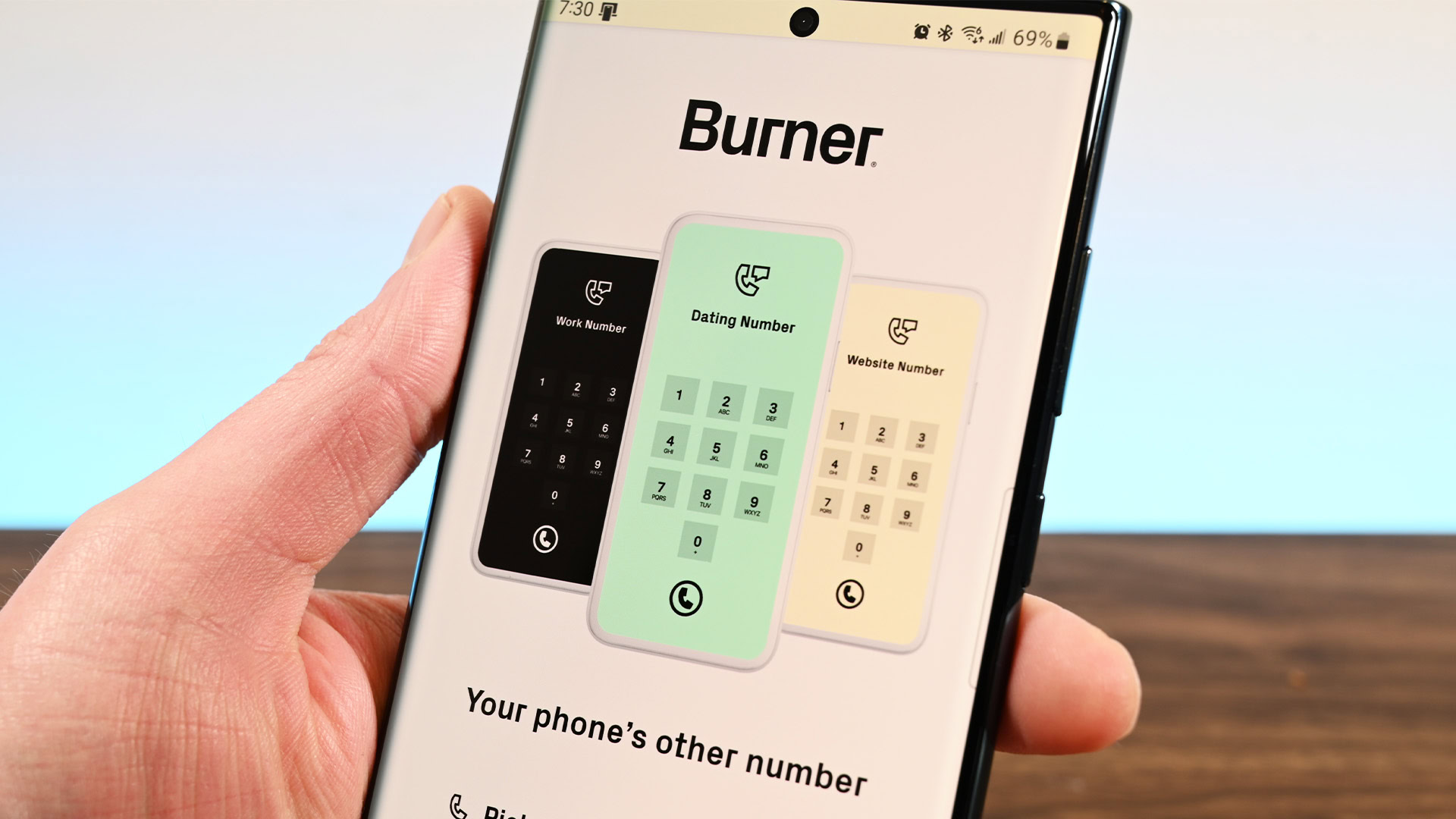
- Burner — A popular choice, Burner allows users to discard numbers and claims to delete associated data for privacy. Pricing includes options like 50 minutes and 100 texts for $1.99, or a $4.99 monthly subscription for unlimited talk and text with on-the-fly number swapping.
- CoverMe — This privacy-focused service provides a phone number and features self-destructing text messages. While it does not offer the “burn” feature like Burner, its secure messaging is a notable benefit. Plans begin at $7.99 per month.
- Google Voice — Google Voice enables users to consolidate multiple numbers into a single one for calls and texts, acting as a barrier to protect a real number. It is largely free for use within the US and Canada.
- Hushed — Hushed is a provider of secondary phone numbers. Users can purchase credits for calls and texts, or subscribe for $3.99 per month for unlimited talk and text across up to three lines. While perhaps not as private as some alternatives, it is effective for call forwarding or deterring spam.
- MySudo — MySudo is a comprehensive privacy application offering a burner number, burner email, online aliases, a privacy browser, and a virtual debit card. Data is reportedly retained for only 24 hours before destruction. Plans range from $0.99 to $14.99 per month.
- Sideline — Sideline gives you a second number that you can use for whatever. Starting at $14.99, its plans are pricier, but the service operates with a user’s actual carrier rather than VoIP, mitigating common VoIP drawbacks. It is not specifically marketed as a burner phone service, so its privacy features may not be as robust as dedicated burner apps.
