


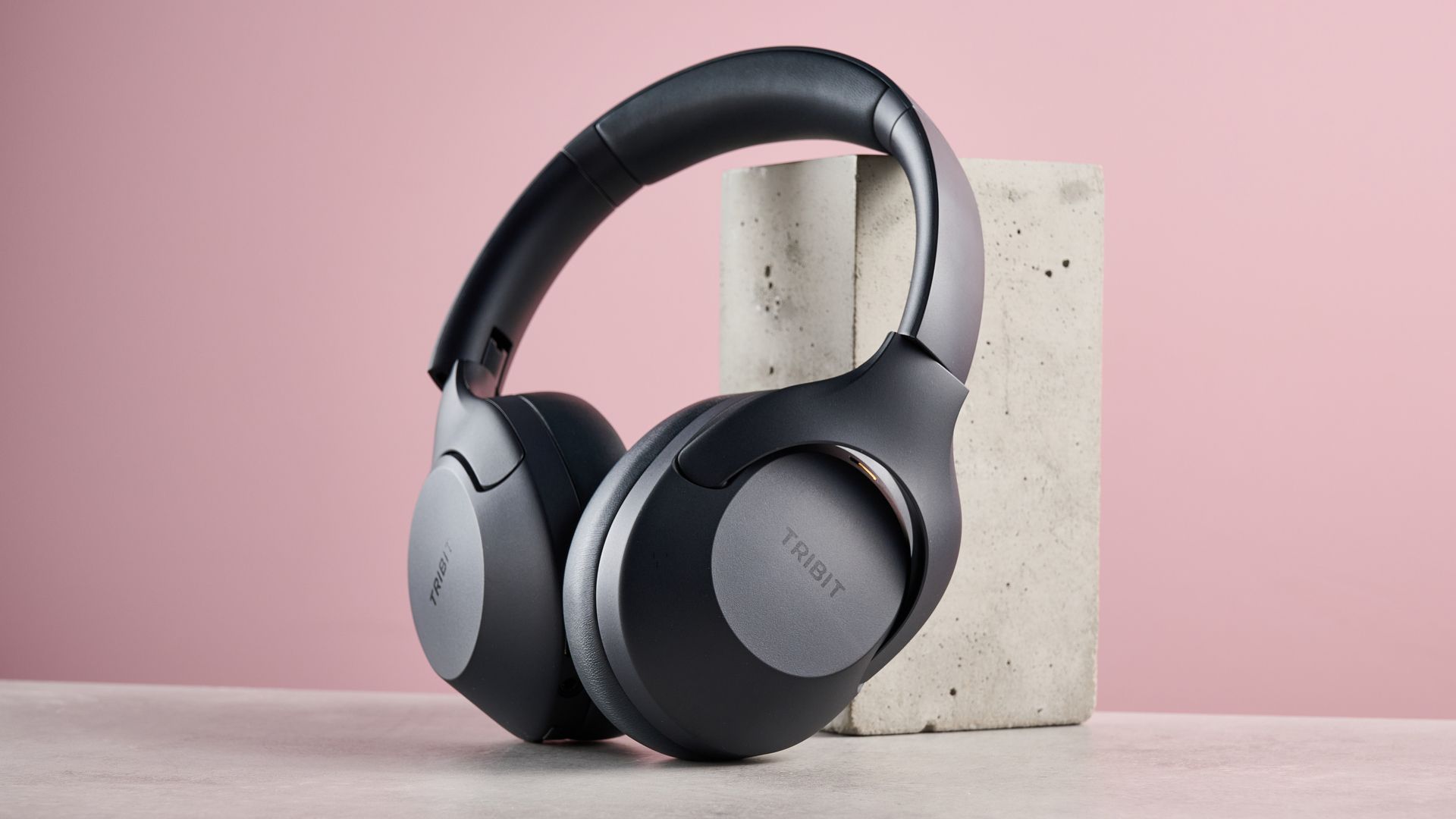
TechRadar Verdict
The Tribit QuietPlus 81 headphones are very affordable and provide extensive battery life. However, they fall short compared to other budget options due to their unremarkable audio, less-than-ideal comfort, and unrefined features, preventing them from truly standing out.
- Exceptional battery life
- Highly customizable sound
- ANC at an ultra-low price
- ANC is not very good
- Unrefined audio quality
- Messy software situation
Tribit QuietPlus 81: review
For those seeking extremely affordable noise-cancelling headphones, the Tribit QuietPlus 81 might seem appealing. Priced at $49.99 / £49.99 (approximately AU$75), they include Active Noise Cancellation (ANC), significant battery life, and a compact, foldable design. The question remains if they deliver on their promise.
These headphones offer impressive aspects, primarily their exceptionally long battery life. They provide 70 hours with ANC activated and an astounding 110 hours without ANC. This extended playtime means infrequent charging, which is convenient for frequent travelers or those who often forget to charge devices.
Similar to many top headphones, the QuietPlus 81 feature extensive EQ options. Users can choose from various genre and situation-specific presets or customize their sound using the 10-band equalizer. This customization is a crucial feature, as the headphones’ out-of-the-box sound quality is not optimal.
While acknowledging their low price, the sound quality of these headphones falls short. Better-sounding alternatives exist within the budget category, which will be discussed later. Fundamentally, these headphones lack the clarity, dynamism, and detail found in competing models.
During testing with Black Eye by Allie X, the synth beat intro lacked sharp delivery. The subsequent drum machine produced a deep but somewhat bloated sound, diminishing the track’s energetic character. Standard ‘Music’ tuning obscured treble instruments, and even with custom EQ settings, an expressive sound was not achieved.
Testing with 12 O.C Riddim by M-High, a track suitable for evaluating low-end performance, yielded mixed results. High-pitched percussion lacked vibrancy and edge. While the headphones could reproduce deep bass, it was not agile or clean enough for an immersive experience.
Overall, these headphones do not offer the refined sound quality found in other budget models, such as the 1More Sonoflow Pro HQ51. While a custom EQ can provide adequate sound at moderate volumes, exceptional audio performance should not be expected from $50 / £50 headphones.
Active Noise Cancellation (ANC) is another critical aspect. These headphones offer normal, transparency, and ANC modes. During testing, the ANC performance was largely as anticipated.
In an office environment, chatter and typing remained audible at 70% volume. While walking, traffic noise and conversations from passersby were also quite noticeable. The headphones do dampen ambient sounds to some extent, but their noise-cancelling capabilities are not particularly impressive.
A notable feature is the instant activation of transparency mode by holding down the right earcup, allowing users to hear their surroundings, similar to the Sony WH-1000XM6. While not as instantaneous as on the XM6, this feature is reasonably effective and a valuable addition.
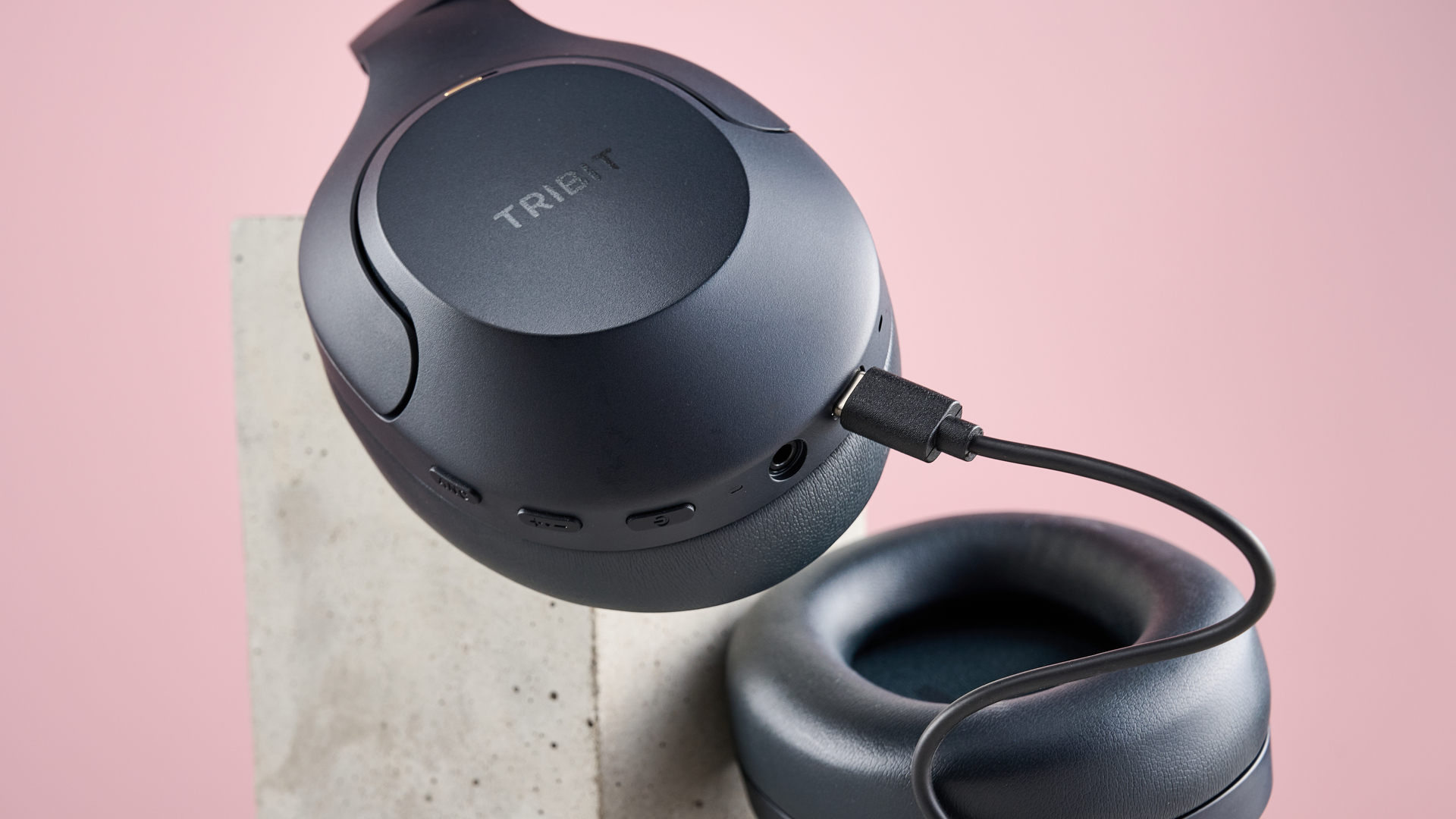
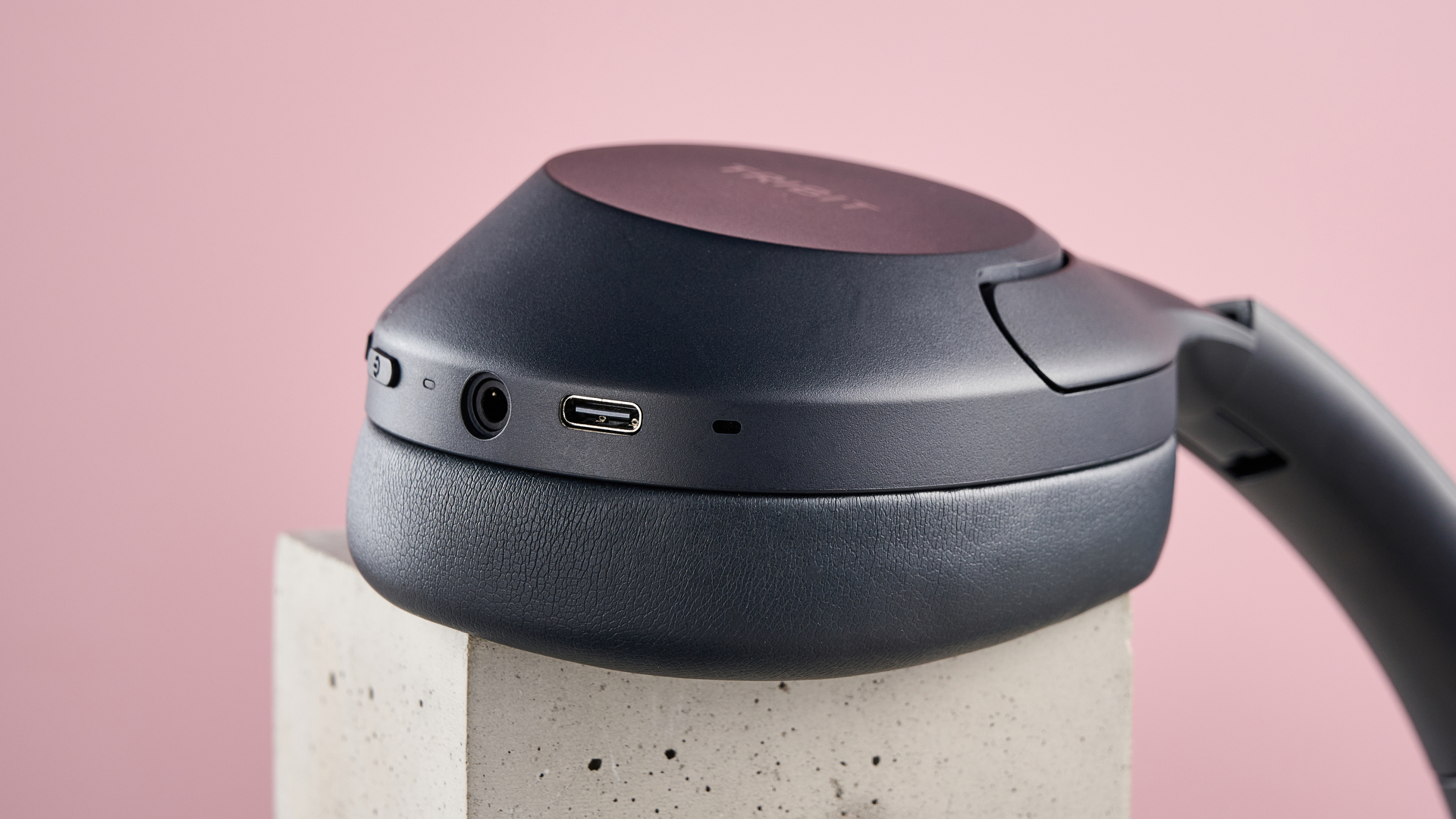
Overall, the controls on the QuietPlus are rather inadequate. Despite a firmware update enabling ‘customizable touch controls,’ playback functions could not be assigned to the right earcup, remaining restricted to physical buttons. These black-on-black buttons are difficult to discern, and combining volume controls into a single small button proves highly impractical.
The touch controls are somewhat responsive but are limited to activating XBass mode, which does not enhance audio quality, or summoning a voice assistant. Standard touch controls for playback, pause, or skipping music, as found on models like the Bose QuietComfort Ultra Headphones (2nd Gen), would have been more beneficial.
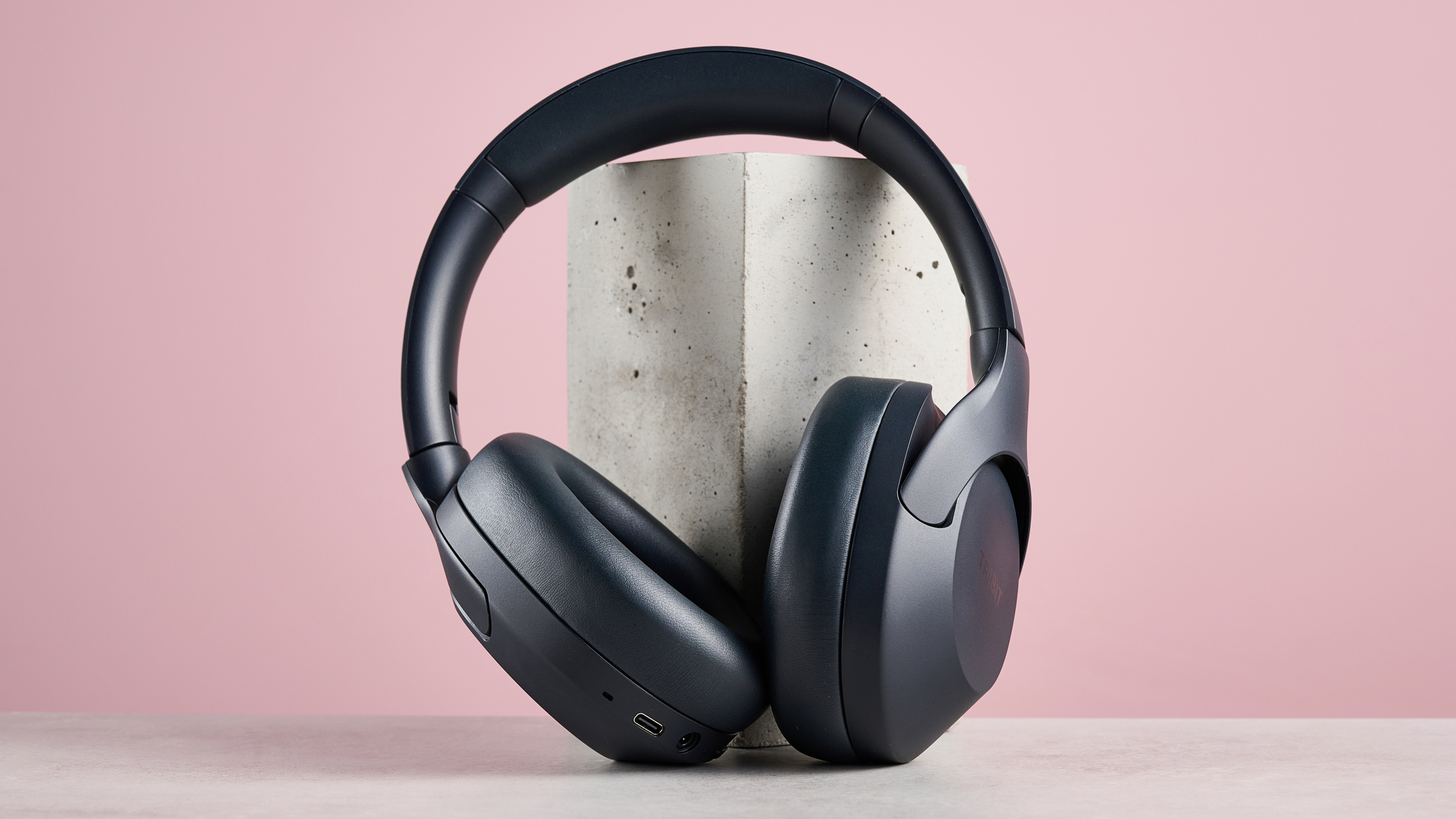
Additional features include a lower-latency game mode, wired listening via a 3.5mm jack, and hearing protection. All settings are accessible through the Tribit app, which is a basic software interface, a point noted in a review of the Tribit PocketGo.
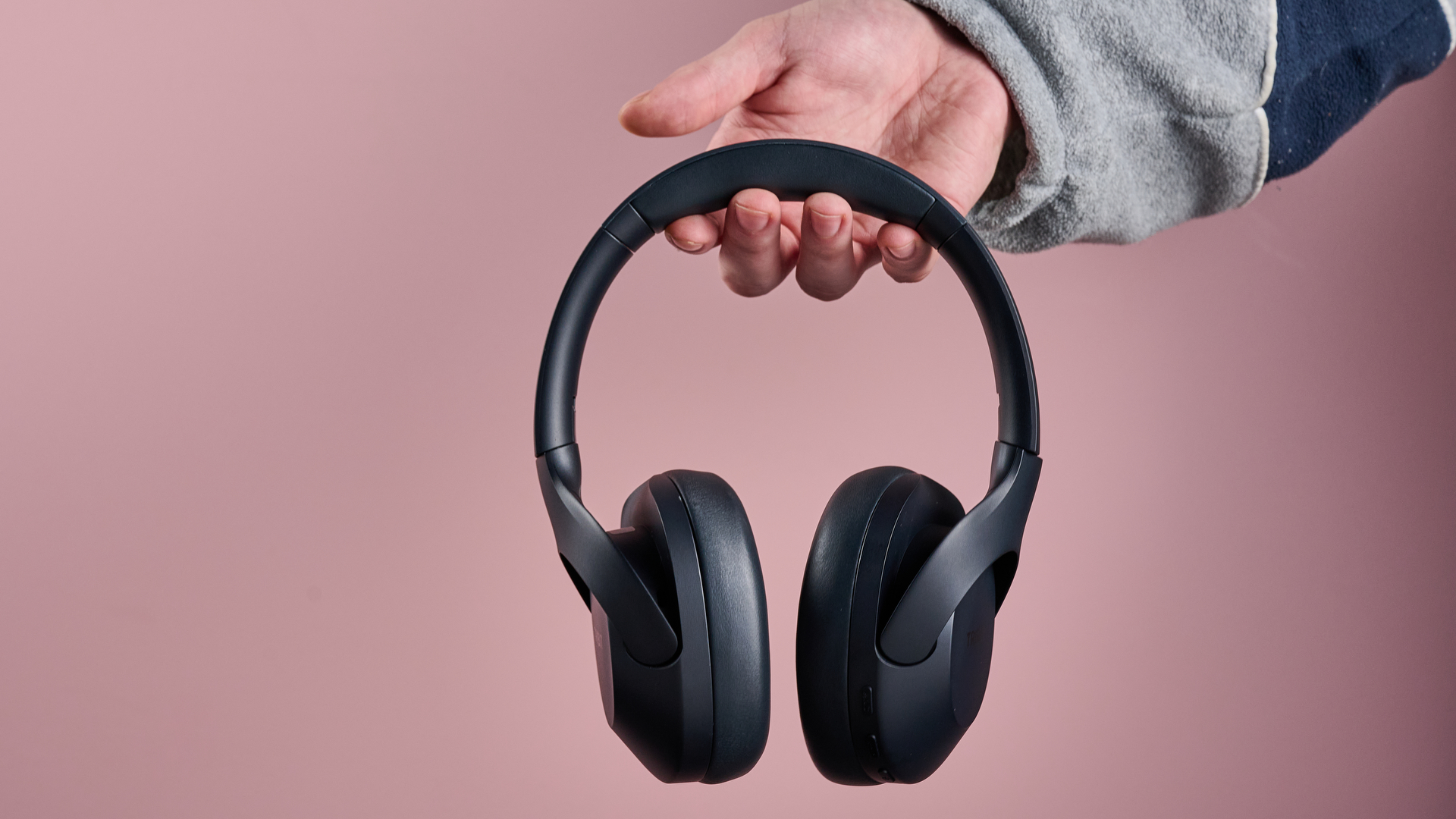
The design of these headphones presents a mixed bag. Their foldable nature contributes to a compact form factor, and the adjustable headband allows for an easy fit. However, the packaging features awkward phrasing like “ULTRA LONG BATT” and “SMOOTH TALKING,” which creates a less professional first impression.
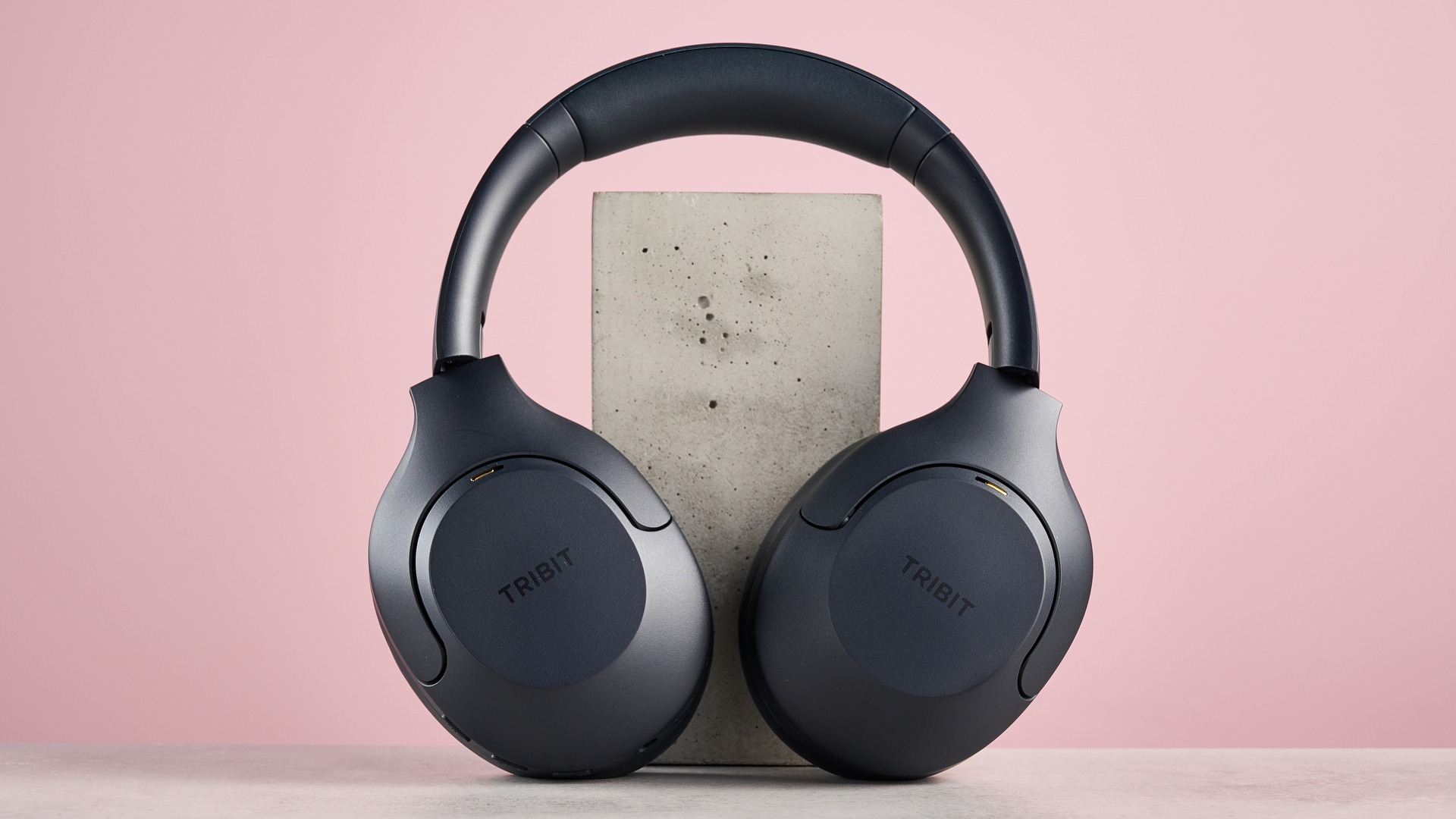
Despite featuring ‘protein leather cushioning and memory foam,’ the QuietPlus 81 can be somewhat uncomfortable during prolonged use. They tend to feel a bit tight, and the headband’s padding seems thin. Aesthetically, the headphones are decent, avoiding an overly plastic appearance with appealing rounded earcups.
Ultimately, the Tribit QuietPlus 81 headphones are not recommended. While they offer commendable features such as exceptional battery life and a ten-band equalizer, their audio performance does not surpass competitors in their price range. Coupled with unremarkable ANC and other features, investing the $50 / £50 in other best cheap headphones is likely a better choice.
Tribit QuietPlus 81 review: specs
Drivers: 40mm dynamic
Active noise cancellation: Yes
Battery life: 70 hours ANC on; 110 hours ANC off
Weight: 283g
Connectivity: Bluetooth 6.0, 3.5mm
Frequency range: 20Hz-20kHz
Tribit QuietPlus 81 review: price and release date
- $49.99 / £49.99 (about AU$75)
- Launched in December 2025
The Tribit QuietPlus 81 headphones launched in December 2025 and can be purchased directly from Tribit’s website or on Amazon. With a list price of $49.99 / £49.99 (approximately AU$75), they are positioned as a budget-friendly option.
Should I buy the Tribit QuietPlus 81?
Buy them if…
You want ANC for less The Tribit QuietPlus 81 offer active noise cancellation for under $50 / £50. While not top-tier, the ANC effectively dampens surrounding noise.
You want headphones with extensive battery life The Tribit QuietPlus 81 boast 110 hours of battery life without ANC and 70 hours with ANC enabled. This surpasses most budget competitors, making them suitable for users who prefer infrequent charging.
Don’t buy them if…
You prioritize comfort The QuietPlus 81 may not be comfortable for extended wear. The adjustable headband has minimal padding, and the fit can feel tight, making them less suitable for long listening periods. For superior comfort, consider options like the Anker Soundcore Space One Pro.
You seek high sound quality A significant drawback of the Tribit QuietPlus 81 is their underwhelming audio, which lags behind many budget-friendly competitors. For improved sound quality at a similar low price, other options are available.
Tribit QuietPlus 81 review: also consider
1More Sonoflow Pro HQ51 These headphones are a top budget choice for noise-cancelling headphones. They offer effective ANC, impressive audio, and substantial battery life, making them an excellent value. Often available below their already low list price, they are a strong recommendation over the Tribit QuietPlus 81. Read the full 1More Sonoflow Pro HQ51 review.
OneOdio Focus A6 These very affordable headphones stand out for their comfortable fit, quality construction, comprehensive features, and good sound. They represent excellent value in the $50 / £50 price range and are highly recommended. Read the full OneOdio Focus A6 review.
How I tested the Tribit QuietPlus 81
The Tribit QuietPlus 81 were tested over one week in various environments, including walks, office work, and home chores. This allowed for evaluation of their ANC quality across different settings.
Music listening primarily involved Tidal, with occasional use of Spotify. Testing began with the TechRadar testing playlist, which covers diverse genres, supplemented by tracks from a personal music library.
The QuietPlus 81’s features, including customizable controls, ANC modes, and the custom equalizer, were thoroughly explored. The reviewer has extensive experience testing headphones, from premium models like the Sennheiser HDB 630 to budget options such as the Baseus Bowie 30 Max.
