


In a notable
, AirTags were presented as a superior product to iPads, a claim that sparked considerable debate. Despite differing opinions, the second-gen AirTag reinforces the idea that this $29 item tracker is among Apple’s most useful devices.
The latest updates enhance the existing AirTag functionality. These include upgraded ultra-wideband and Bluetooth chips, which extend the range by approximately 1.5 times. The redesigned speaker produces a new, higher-pitched chime that is 50 percent louder. Additionally, Precision Finding for AirTags is now available on Apple Watch models Series 9 or Ultra 2 and newer.


Apple AirTag (second-gen)
$29$29 at Amazon$29 at Walmart$29 at Best Buy
Prior to the recent refresh announcement, a household already utilized seven AirTags and intended to acquire more. Individuals in the household experience ADHD, and their active cats often bat items into hard-to-reach places. Without AirTags, significant time would likely be spent searching for essentials across multiple floors of a four-story home. AirTags are attached to key fobs, TV remotes, wallets, car glove boxes, and even expensive winter jackets.
However, there have been several complaints regarding previous AirTag versions. For instance, keys were once lost in a car lot, resulting in a 90-minute search due to a low chime and poor Bluetooth connectivity. The disc shape can be inconvenient for wallets unless a specialized, often unappealing, wallet is purchased. AirTags are also prone to scuffing. Furthermore, if an AirTag is dropped or batted around, it can easily come apart, posing a risk of the battery being consumed by pets.
The second-gen AirTags do not address most of these issues. They retain the same shape, size, and design, as well as the original price. A review unit showed scuff marks almost immediately after being placed in a key ring. Nevertheless, the enhanced chime volume and extended range proved to be significant improvements during testing.
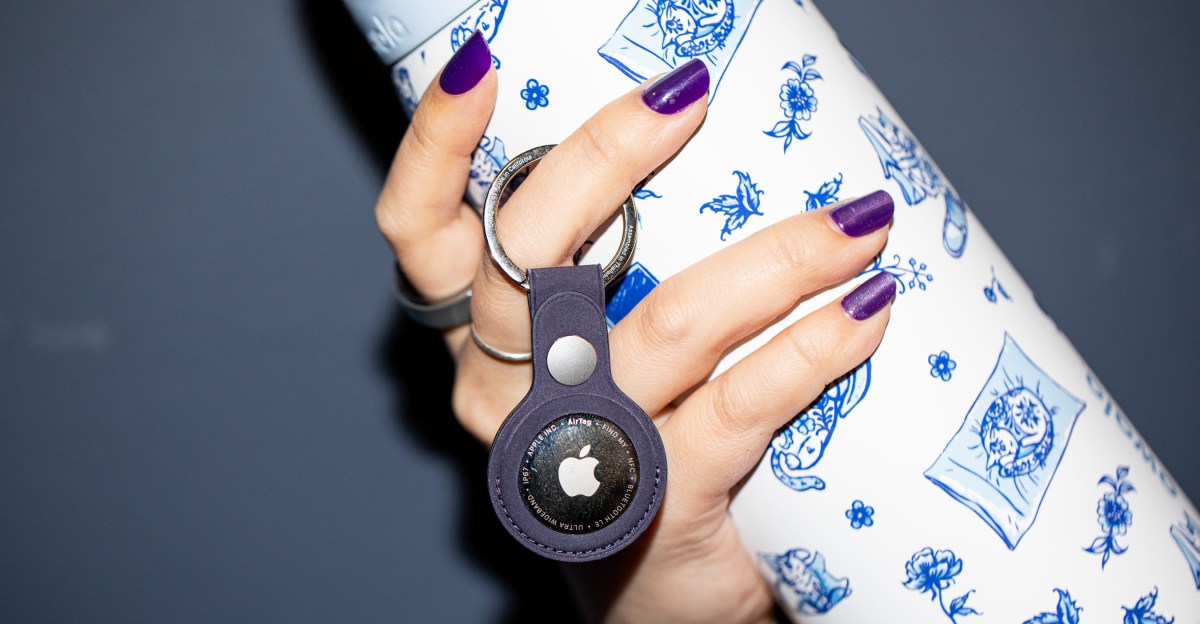
 The device features a new ultra-wideband chip, an upgraded Bluetooth chip, a redesigned speaker, IP67 rating, and NFC capabilities.
During testing, the second-gen AirTag was compared against an original model with a new battery. The extended range significantly improved connectivity, with faster phone connections observed compared to the original, irrespective of distance. This enhanced speed resulted in quicker chime activation and faster appearance of the Precision Finding signal.
Vertical range also saw improvements. While AirTags excel at locating items in horizontal planes, they typically struggle across different floors, which can be a persistent issue in multi-story homes. The original AirTag performed adequately one floor above or below a target object, but locating items two or more floors away was often impossible, with Precision Finding typically indicating the tag was ‘far’ or unreachable.
The second-gen AirTag demonstrated a different performance. When placed on the ground floor and tested from the fourth floor, it consistently achieved a quick connection for Precision Finding, and the chime was audibly clear. (In contrast, the original AirTag’s chime would barely be audible from the same distance, even in quiet conditions). Similar results were observed when AirTags were hidden under blankets and between couch cushions.
A particularly useful new feature is the capability to use Precision Finding directly from the Apple Watch. While setup is not immediately intuitive, requiring the addition of a button to the Apple Watch control panel rather than using the Find Items app, the functionality performs effectively. For individuals who frequently misplace their phone while performing household tasks, this feature is highly beneficial. With the original AirTag, locating a lost item first required finding the phone, then using Precision Finding. Since the Apple Watch is typically worn, it offers a more direct way to locate misplaced items.
Similar to the original AirTags, the new versions continue to generate unwanted tracker alerts. Apple’s official announcement suggests that the louder chime aims to deter malicious use of AirTags. During setup, Apple emphasizes that these devices are not intended for tracking people or pets, distinguishing them from products like Tile; however, this guidance may not prevent misuse by individuals with harmful intentions. The long-term impact of the louder chime and extended range on organically triggered unwanted tracking scenarios remains to be fully observed.
 The integration of AirTag Precision Finding with the Apple Watch is a significant enhancement.
Upgrading all existing original AirTags could incur a cost of at least $200. Although old AirTags can be recycled for free, no store credit is offered, and concerns about e-waste arise when coin cell batteries are easily replaceable. Some users may choose to upgrade all their AirTags immediately. For frequent AirTag users, a more practical approach involves patience: identify the four most commonly misplaced items, purchase a four-pack of new AirTags when on sale, and then reassign the original AirTags to less frequently used or lost items that still require tracking.
Ultimately, it is clear that AirTags are not universally appealing, as some individuals consistently keep track of their belongings. However, for those who frequently misplace items, the second-gen AirTags offer a significant, albeit subtle, improvement.
