


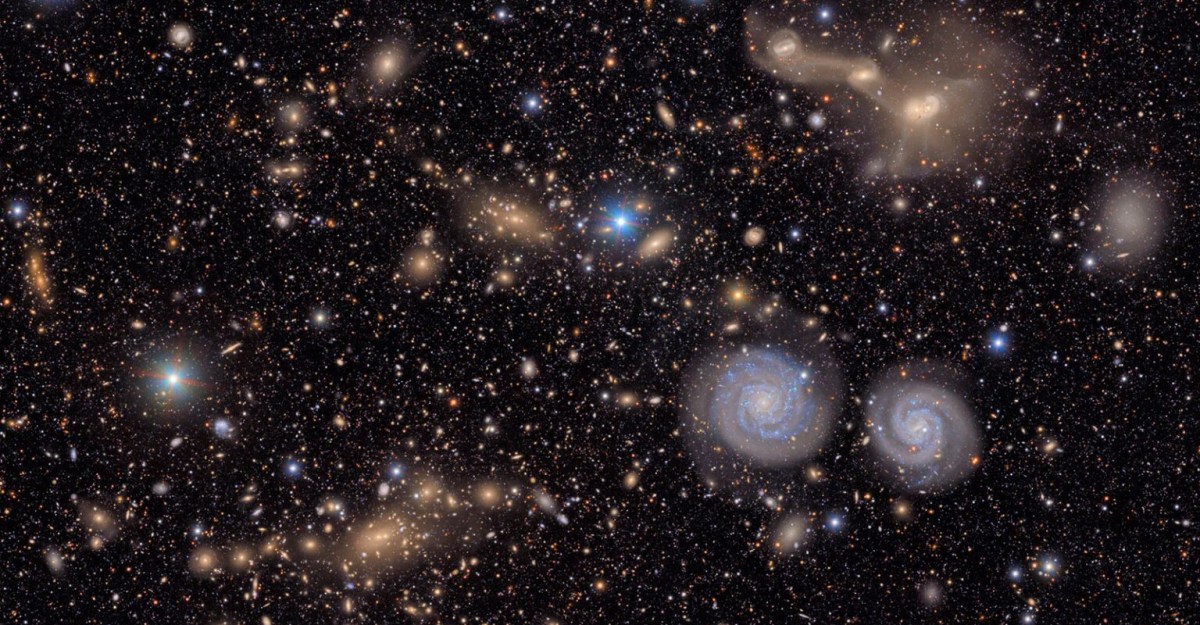
The Vera C. Rubin Observatory’s automated alert system has begun operation, inundating astronomers with data on celestial phenomena. The system, which went public on Tuesday, February 24th, generated approximately 800,000 alerts on its inaugural night. These alerts pertain to various cosmic events, including asteroids, supernovas, and active black holes. Projections indicate that the volume of alerts could escalate to several million per night.

The observatory previously released the initial images captured by its car-sized Legacy Survey of Space and Time (LSST) camera in June of the previous year. The launch of this alert system has been highly anticipated by researchers and stargazers alike. Each night, the camera acquires around 1,000 images, which are then compared against a baseline image taken when the telescope first became operational. Discrepancies are automatically flagged, and an algorithm is employed to differentiate between potential supernovas and approaching asteroids. Alerts are subsequently dispatched to relevant parties within minutes, enabling scientists to promptly focus on transient celestial events.
The alert system offers filtering capabilities, allowing users to sort by event type, brightness, or the frequency of events within a specified timeframe. This functionality is designed to prevent researchers from becoming overwhelmed as the Rubin Observatory increases its rate of discoveries.
