


TechRadar Verdict
The Rotel DX-5 offers much to appreciate, from its meticulous design and construction to its engaging sound profile. Its few drawbacks, such as the particular remote control operation and limited analog inputs, are easily overshadowed by its overall quality.
$1,699 at Best Buy(Black) $1,699 at Best Buy(Silver) Check Amazon
-
Spacious, well-defined and detailed sound
-
High-end components and impressive specifications
-
Exemplary build quality and finish
-
Requires careful system-matching
-
Remote control can be finicky
-
Limited analog inputs
Rotel DX-5: Two-minute review
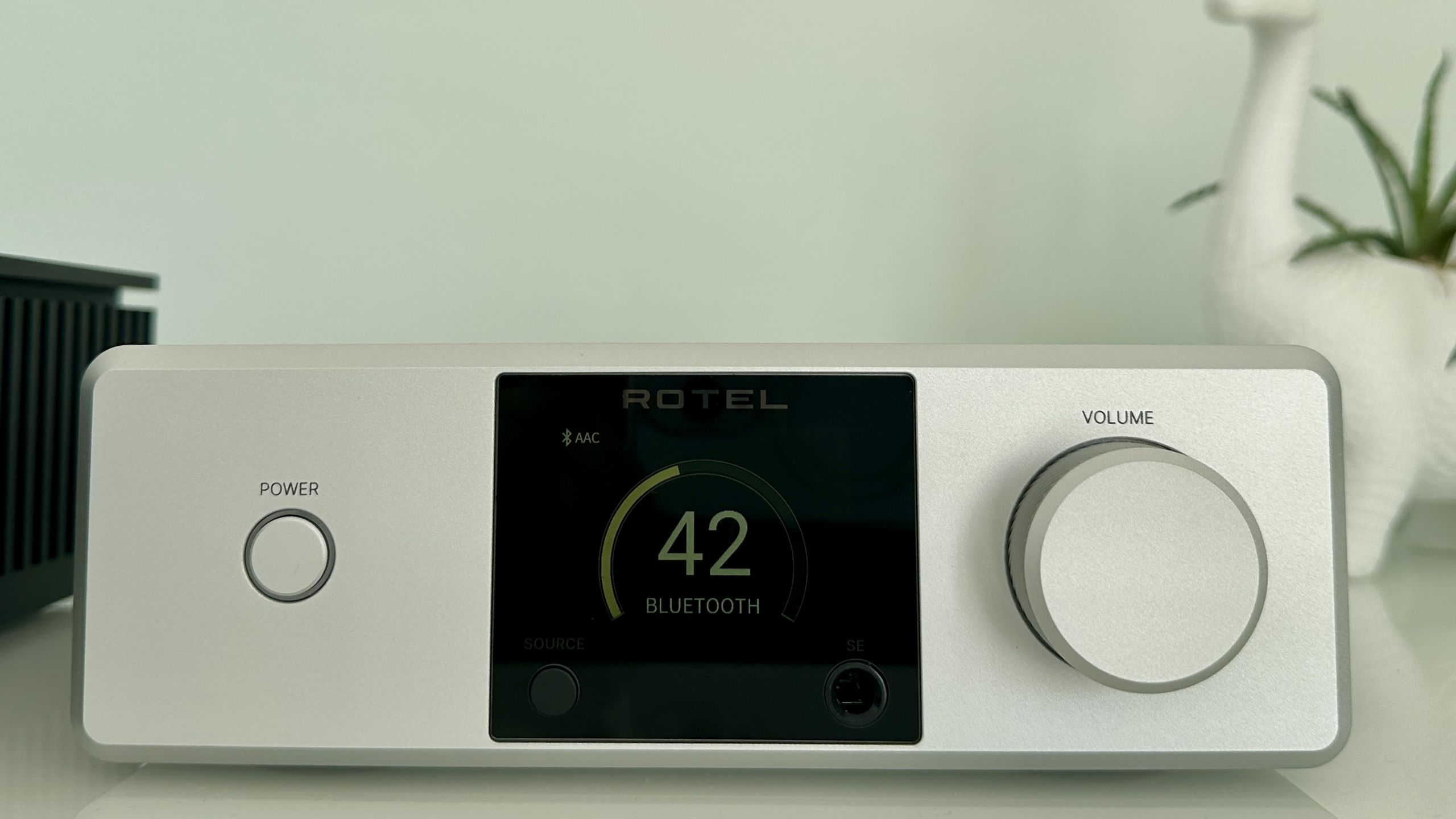
The Rotel DX-5 is a compact, well-built, and elegantly designed stereo integrated amplifier, primarily focused on digital audio sources. Its appearance and feel convey quality and durability, and it is equipped to handle hi-res audio through its USB, coaxial, and optical inputs, along with TV audio via its HDMI ARC port. A single line-level analog input accommodates traditional equipment, though a pre-amplified turntable would be necessary.
Operating the DX-5 is done via its remote control, which, despite its premium look and feel, demands precise line-of-sight to function reliably.
The sound quality of the DX-5 is notably impressive. It delivers an open, detailed, and engaging listening experience, demonstrating excellent dynamic range and confident rhythmic expression. The amplifier accurately preserves and contextualizes all recording details, maintains a balanced frequency response, and skillfully unifies a recording while allowing for individual element inspection. Listeners should consider system-matching carefully, as the amplifier can be quite assertive in the high-frequency range. Otherwise, its sound is consistently enjoyable.
Rotel DX-5 review: Price and release date
- Released in April 2025
- Priced $1,499 / £1,399 / AU$2,199
The Rotel DX-5 is currently available for purchase. It is priced at £1,399 in the United Kingdom, $1,499 in the United States, and AU$2,199 in Australia.
Rotel DX-5 review: Features
- ESS Sabre ES9039Q2M DAC
- Digital inputs outnumber analog inputs
- 25W per channel into 8 ohms
Despite its compact size, the Rotel DX-5 makes efficient use of its internal space.
A high-current toroidal transformer, custom-wound in-house, powers the unit, delivering 25W of Class AB power per channel into an 8-ohm load (increasing to 33 watts per channel into 4 ohms). Digital-to-analog conversion is managed by the ESS Sabre ES9039Q2M chipset, supporting 32bit/384kHz PCM and DSD512 via the USB-B input (some devices may require a driver) and 24bit/192kHz PCM through its coaxial and optical inputs. The DX-5 is Roon Tested and boasts a wide 10Hz – 80kHz frequency response, along with low intermodulation distortion and high signal-to-noise ratio figures.
Connectivity includes three digital inputs (USB-B, coaxial, optical), an HDMI ARC socket, and a single line-level analog input via stereo RCA. Outputs consist of speaker cable binding posts, a pre-out for a subwoofer, and a front-mounted 6.3mm headphone jack. Bluetooth connectivity supports SBC, AAC, and aptX HD codecs, with a discreet aerial integrated into the rear chassis.
This configuration suggests the DX-5 is best suited for predominantly digital audio setups, where its superior DAC can enhance source devices. While a second analog input might offer greater flexibility, the absence of a phono stage for turntables is understandable given the focus on cost and compact dimensions.
Rotel DX-5 review: Sound quality
- Open, detailed and properly defined presentation
- Equally adept with rhythms and dynamics
- Requires some system-matching in order to play nicely
The Rotel DX-5’s sound quality is generally excellent, with one notable consideration: careful system-matching is more crucial than with many similarly priced rivals.
Audio sources or loudspeakers that exhibit a tendency towards high-frequency emphasis may find this characteristic amplified by the DX-5. If the entire audio system shares this trait, the treble could become overly pronounced. Even tonally warm recordings, such as Otis Redding’s That’s What My Heart Needs, receive ample high-frequency sparkle, and inherently trebly tracks like FKA twigs’ Cheap Hotel could potentially become problematic in an incompatible setup. Taking time to ensure compatible components will yield the best results.
Beyond this, the sound performance is unequivocally positive. From deep, well-defined low frequencies to the high end, the DX-5 maintains consistent and neutral tonality, accurately reproducing the fundamental character of a recording without undue coloration.
The frequency response is equally impressive across the spectrum. The bass is detailed and textured, with precise attack that allows the Rotel to convey rhythms confidently. The midrange is similarly informative and articulate, presenting vocals with directness and clarity. The high frequencies are equally accomplished, rich in information and delivered with emphasis and drive.
This impressive audio reproduction unfolds on a large, well-defined, and coherent soundstage. Even complex recordings, like Marika Hackman’s Bath is Black, are organized clearly, with each individual element given space to express itself. Yet, the DX-5 also skillfully integrates these elements into a unified whole, creating a sense of cohesion often elusive in amplifiers capable of such separation and focus.
Dynamic variations in recordings, encompassing attack, intensity, and volume, are precisely identified and contextualized. Subtle harmonic shifts are also given appropriate weight. The Rotel excels in this regard, creating a significant distinction between quiet and loud passages, despite its seemingly modest power output.
Perhaps the most striking aspect of this amplifier’s performance is its exceptional detail retrieval. From broad musical strokes to the most minute transients, it accurately locates and positions every detail in a recording, ensuring a complete and naturalistic sonic picture.
Rotel DX-5 review: Design
- 76 x 215 x 251mm (HxWxD)
- Anodised aluminium construction
- Black or silver finish
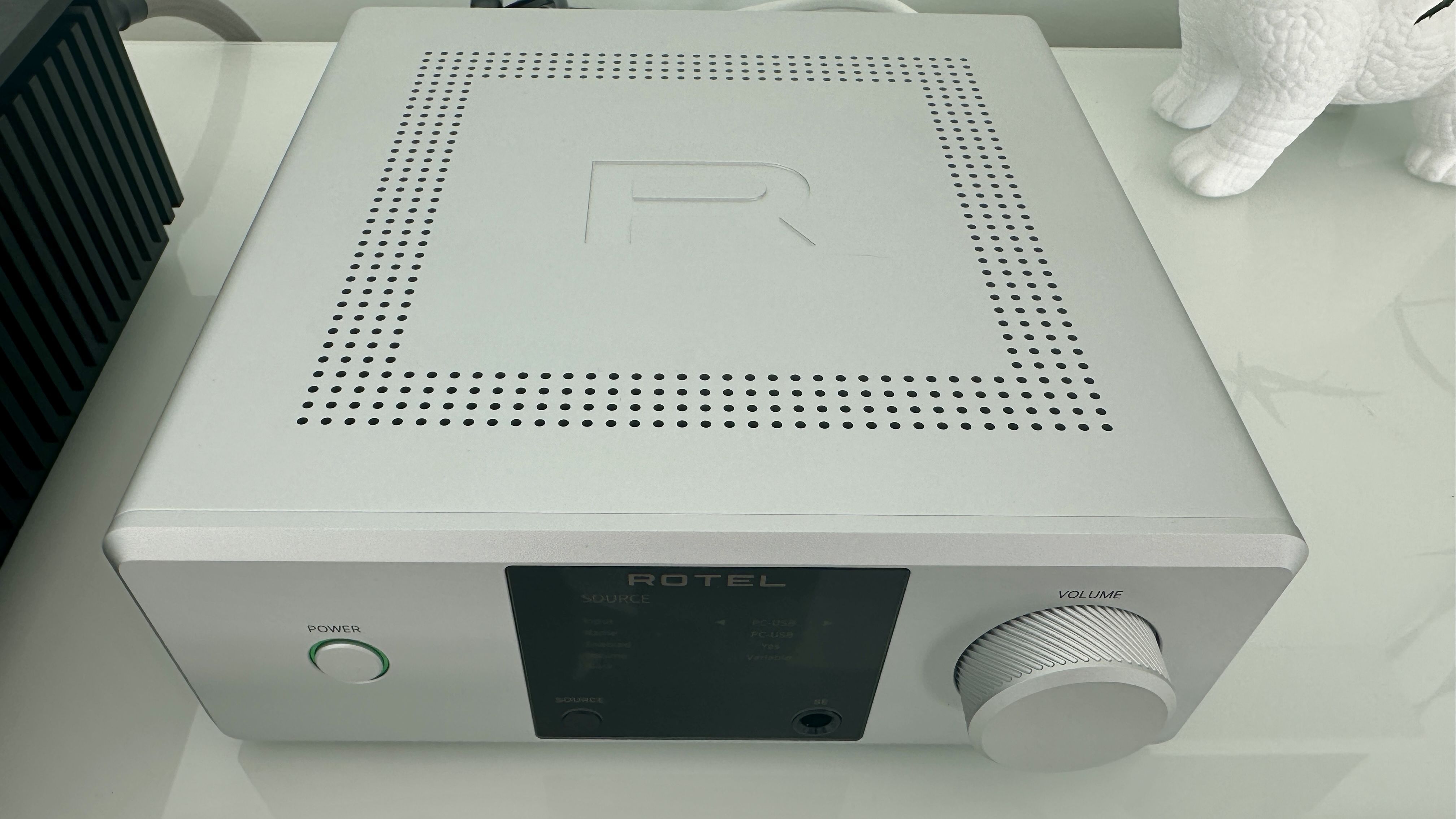
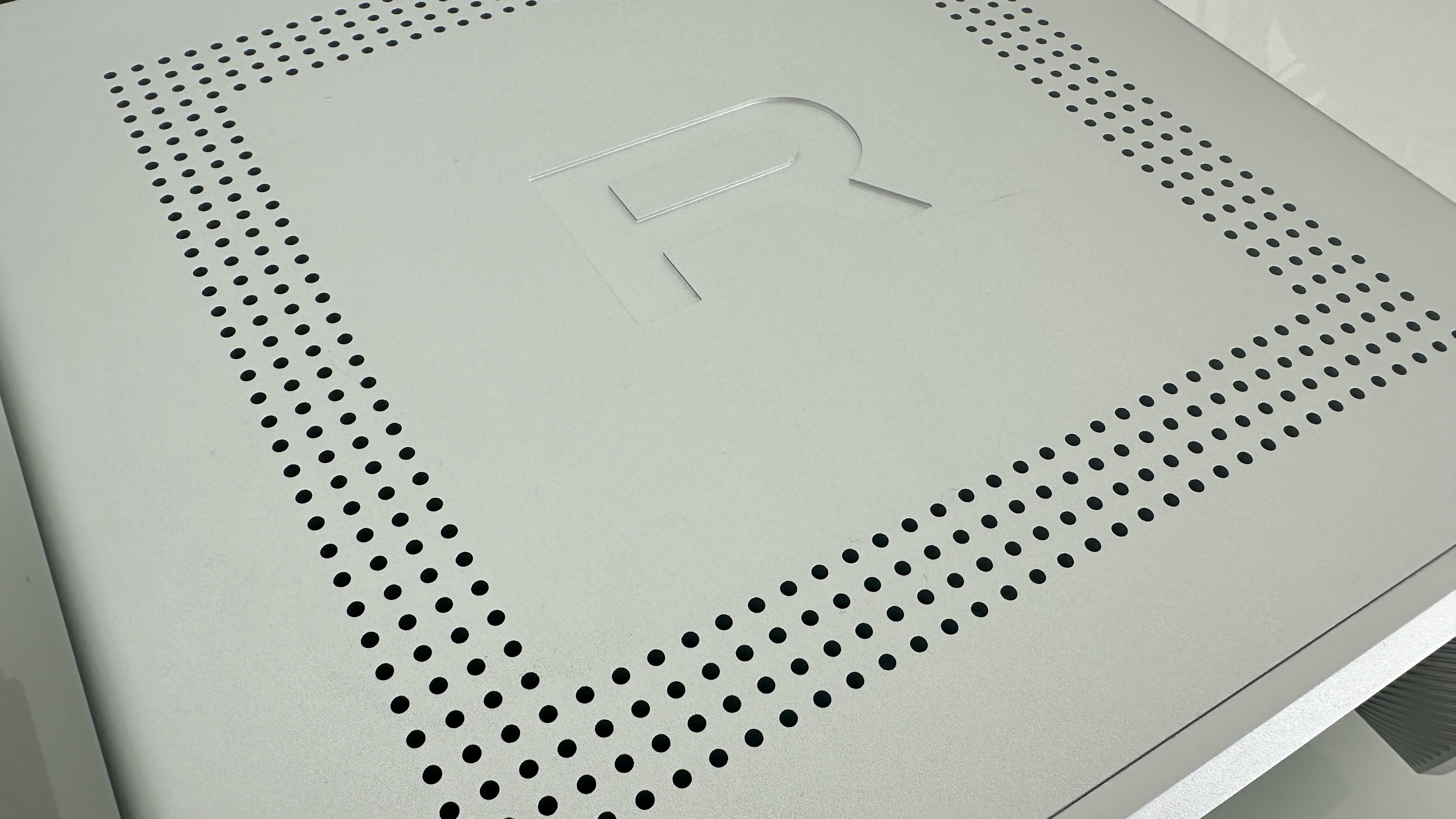
The Rotel DX-5, though compact (76 x 215 x 251mm, HxWxD), features a refined design and impeccable construction.
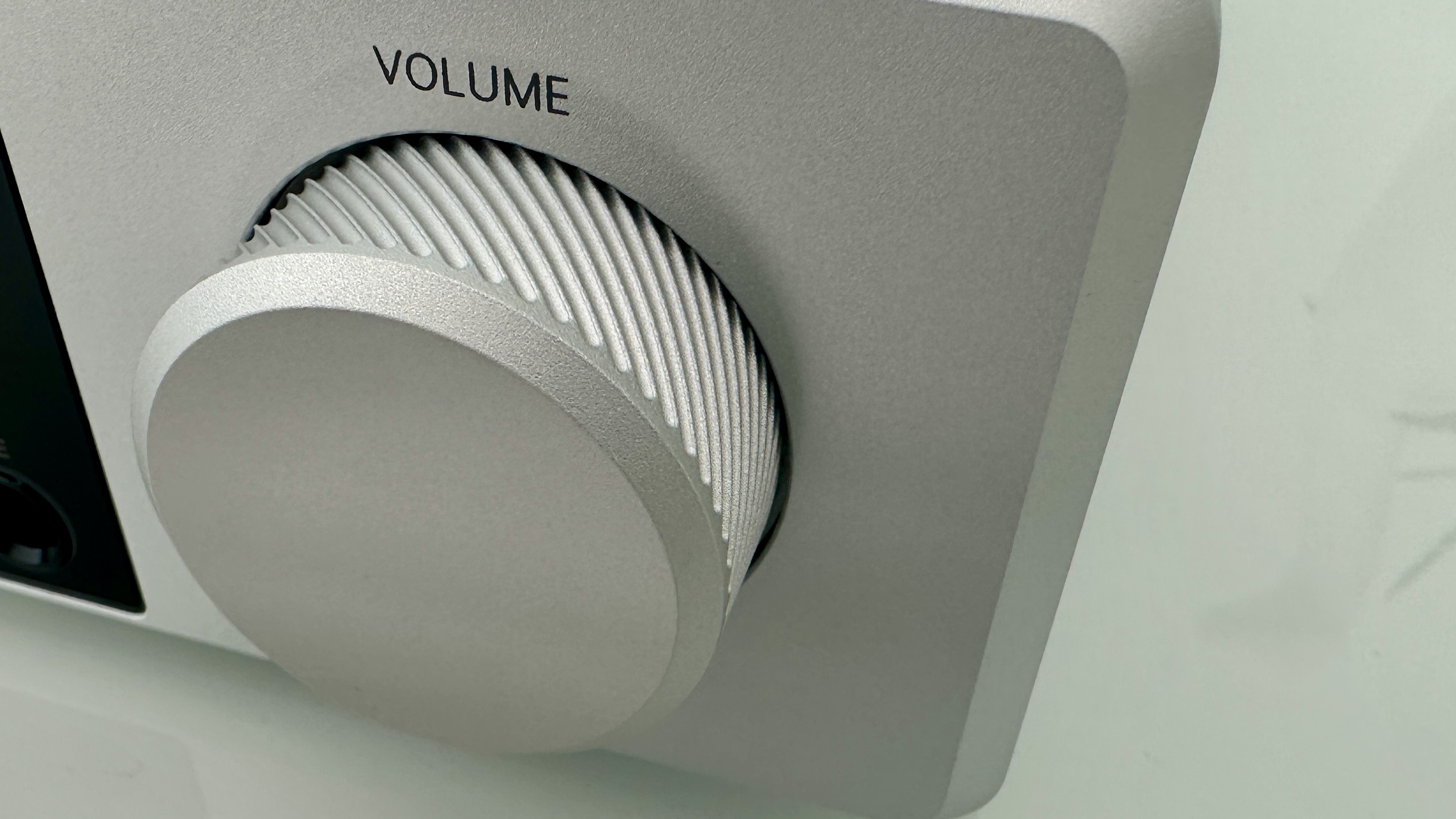
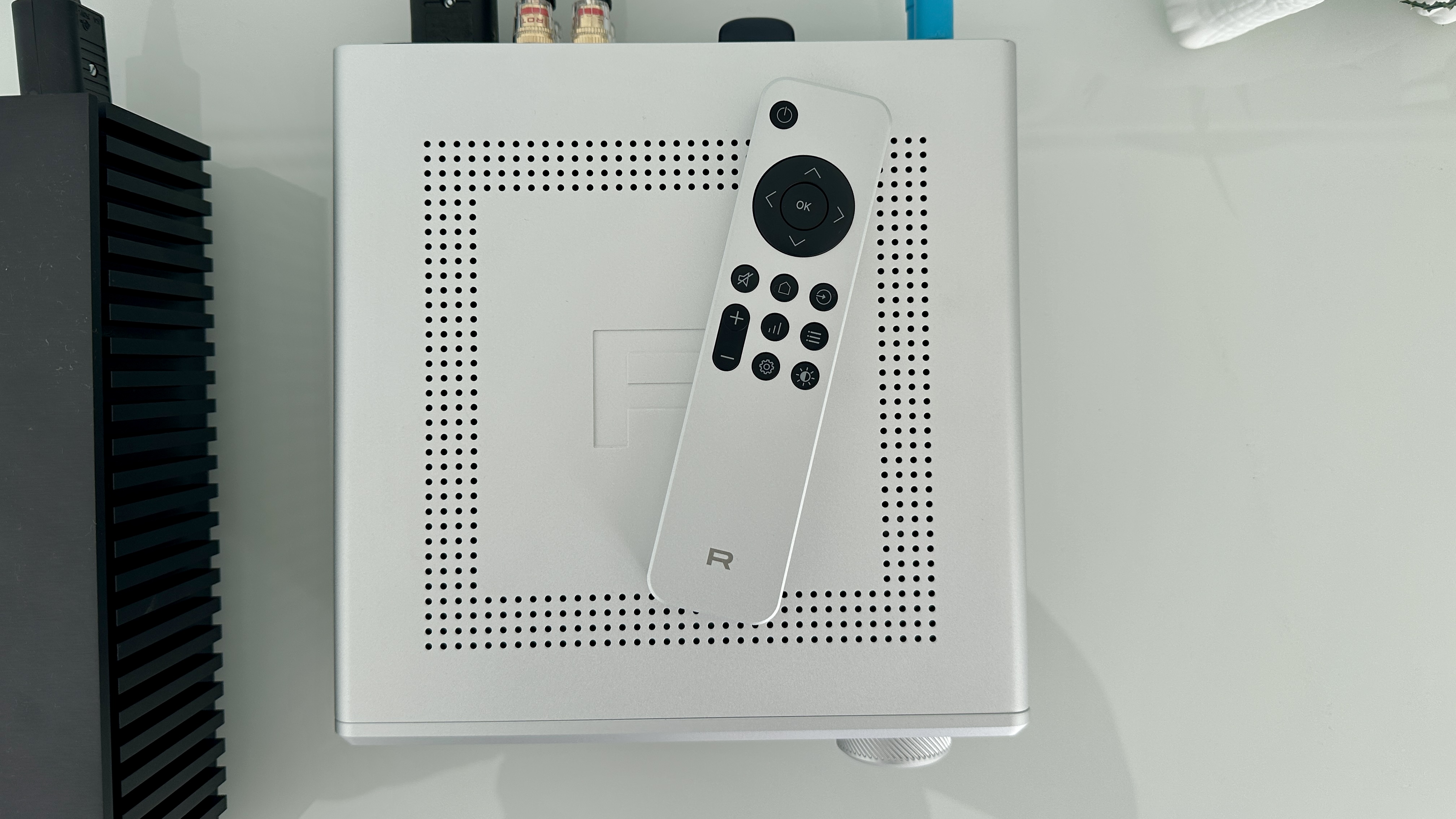
Its build incorporates a generous amount of anodized aluminum, offering a premium visual and tactile experience in either black or silver finishes. The industrial design is sophisticated, complemented by subtle details like the knurled volume control and the confidently embossed ‘R’ on the ventilated top panel.
Consistent with its price point, the DX-5 exhibits an exceptionally high standard of build and finish. Every aspect of its design and construction suggests durability and quality.
Rotel DX-5 review: Usability and setup
- Full-colour TFT display
- Heavy, luxurious remote control with specific requirements
- Limited physical controls
As a device without Wi-Fi, the Rotel DX-5 relies on traditional control methods.
A large, bright, and clear TFT display on the front panel shows volume levels, selected input, and provides access to detailed setup menus. A source selection button is integrated into the bottom left of the display, opposite the 6.3mm headphone output. A power button is located on the left side of the fascia, and a prominent, tactile volume dial is on the right.
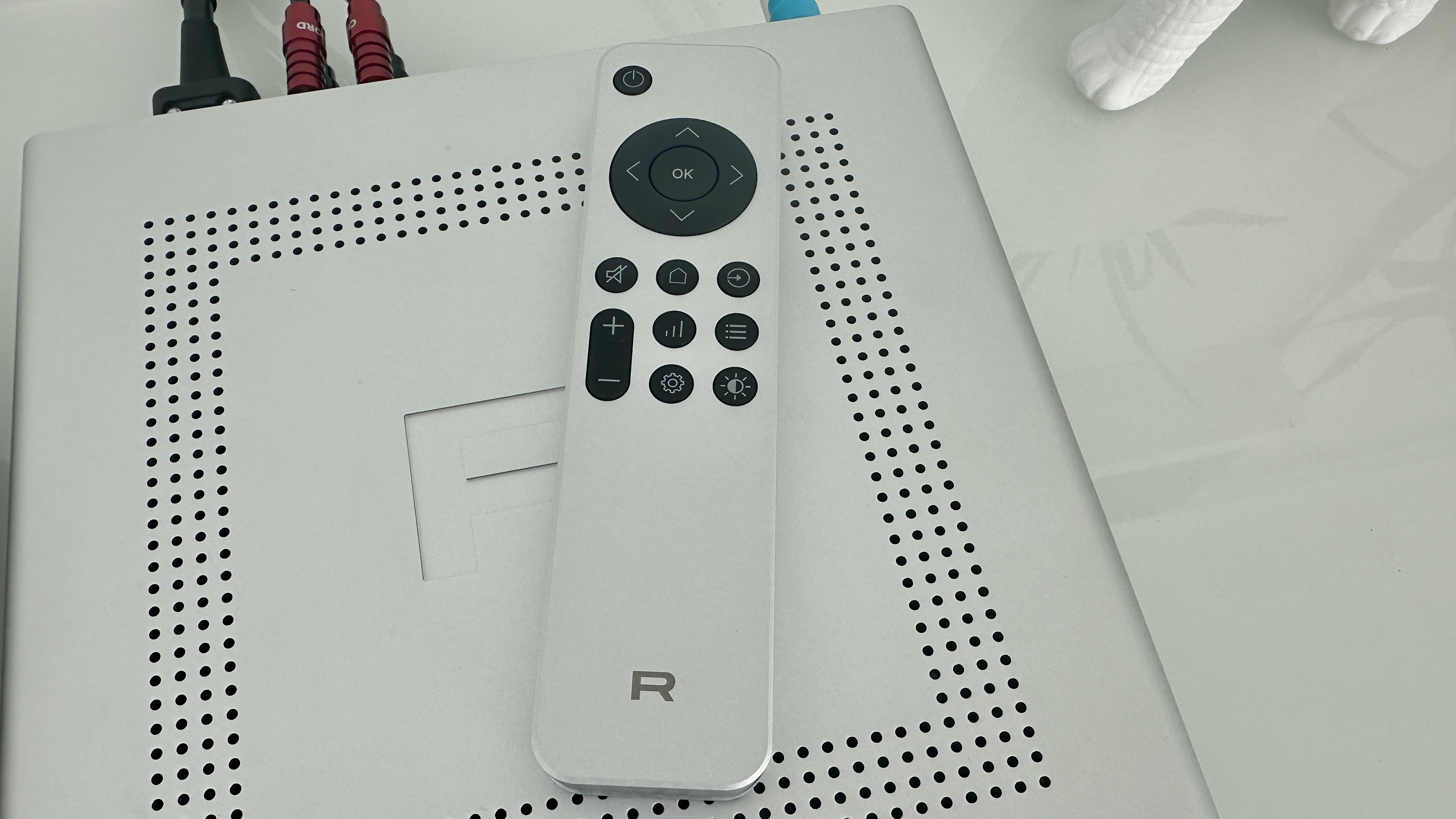
The DX-5 also comes with a remote control that presents a curious blend of high perceived value and limited practicality. Its substantial aluminum construction, logical button layout, and well-proportioned dimensions contribute to its luxurious feel. However, its operation is highly dependent on being pointed precisely at the amplifier’s IR sensor, making it less convenient than many other remotes.
Rotel DX-5 review: Value
For those prioritizing sheer physical bulk for their investment, the DX-5 might not immediately appear to offer the same value as larger alternatives. Its feature set could also be perceived as slightly modest by some.
However, when considering the quality of its components, its sophisticated design, robust build, and its lavishly detailed, expansive sound, the DX-5 presents undeniable value. The remote control’s quirks are a minor point in an otherwise strong offering.
Should I buy the Rotel DX-5?
Buy it if…
Your system is mostly digital: The amplifier offers a significant number of physical and wireless digital inputs compared to its single analog equivalent.
You admire understated industrial design: The design is subtle and sophisticated, enhancing the perceived quality of the DX-5.
You enjoy entertaining, insightful sound: This amplifier uniquely combines forensic detail retrieval with an overall musical and engaging presentation.
Don’t buy it if…
You have more than a single analog source: Other amplifiers may better suit systems with multiple analog components.
You prefer a less finicky remote control: The remote requires precise aiming at the amplifier’s IR receiver.
Your system already emphasizes high-frequency information: Unsympathetic system partners or recordings could potentially over-emphasize the Rotel’s treble reproduction.
Rotel DX-5 review: Also consider
If the compact size of the Rotel is appealing, but a USB input could be exchanged for a phono stage, and a more aggressive price point is desired, the Rega Brio mk7 ($1,095 / £799) is an excellent alternative. It offers an exciting yet insightful listening experience. Alternatively, for those who appreciate the compact form factor but are willing to invest more, the Cyrus AMP 40 ($4,995 / £3,995) delivers exceptional performance.
How I tested the Rotel DX-5
Testing involved connecting the Rotel DX-5 to high-quality loudspeakers and various digital and analog sources to assess its performance across different audio formats.
