


Spam calls, whether from salespeople, scams, or robocalls, are a common annoyance for smartphone users. A significant number of these unwanted calls can be stopped with a simple method that works for both iPhone and Android devices.
An option you’ve overlooked: the National Do Not Call Registry
An effective tool for blocking spam calls, the National Do Not Call Registry, existed even before smartphones became widespread. This registry, managed by the Federal Trade Commission (FTC), serves as a key defense for consumers in the United States against unwanted calls.
Created in 2003, this federal database aims to protect consumers from unwanted telemarketing calls. Despite its age, it is fully compatible with modern mobile phone numbers on both Android and iPhone, not just landlines.
This government-supported protection works regardless of your device or carrier. Individuals can register their wireless or landline numbers by visiting the official website, typically donotcall.gov, or by calling the toll-free number from the phone they want to register. The website can sometimes be unavailable, so calling might be a more reliable option.
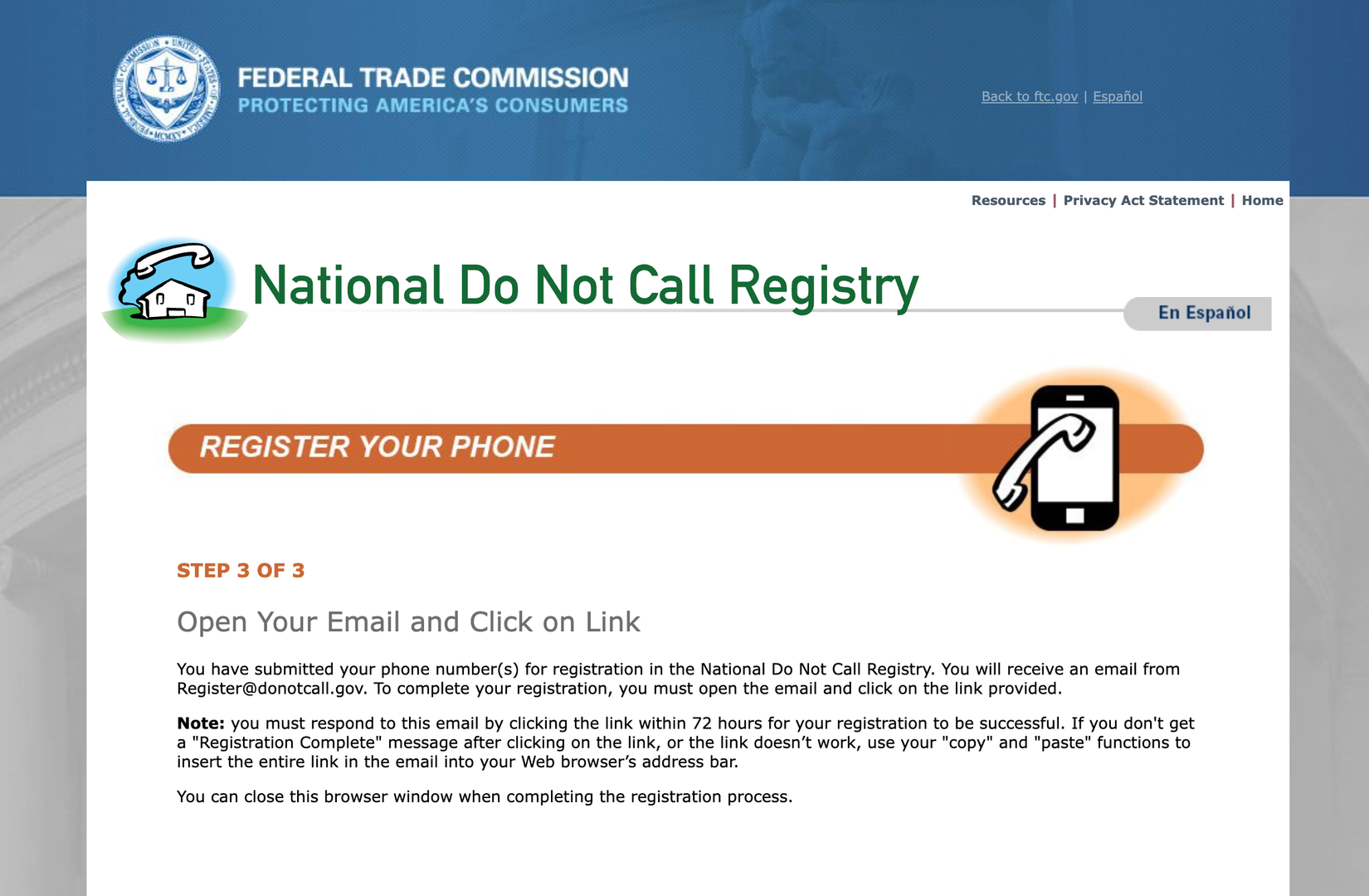
If using the website, registration must be verified through a confirmation email within 72 hours for the request to be processed. Once a number is added, it stays on the Registry permanently unless the number is disconnected or the owner requests its removal.
It is important to note that this is not an immediate solution. After a number is registered, telemarketers have a legal grace period of up to 31 days to update their call lists and remove the number.
Why should you enroll?
Registering a number on this list utilizes federal law to prevent compliant businesses from making unsolicited calls. A major reason to enroll is the substantial financial penalties for violations. Legitimate telemarketing companies must check the registry every 31 days and update their call lists accordingly. Non-compliant companies that call a registered number can incur civil penalties exceeding $50,000 per violation. This significant financial risk strongly deters reputable businesses, reducing the volume of unwanted calls.
Additionally, enrollment acts as a filtering system. After a number has been on the registry for 31 days, the type of unknown calls received changes. Since legitimate businesses will cease calling, any unsolicited sales call received afterward can be presumed to be a scam or from a telemarketer violating federal law.
It won’t stop everything
While the National Do Not Call Registry is a strong tool, it will not stop all unwanted calls. FTC regulations include exemptions for certain organizations, allowing them to call registered numbers. These include political organizations, charities, and telephone surveyors. Therefore, during periods like election seasons or fundraising campaigns, individuals may still receive numerous legal calls, even if registered.

Furthermore, the registry permits calls from companies with an “established business relationship” with the consumer. If a person has bought a product, inquired, or made a payment to a company within a specific period (usually up to 18 months after a purchase), that company can continue calling until the consumer explicitly requests them to stop. Many consumers are unaware that an online purchase can grant a vendor permission for telemarketing calls. To halt these particular calls, a direct, company-specific request must be made to be added to that entity’s internal do-not-call list.
The registry is also ineffective against criminal callers. Robocallers and scammers, often operating illegal call centers internationally, disregard U.S. federal law and FTC regulations. These malicious actors employ “spoofing” technology to falsify caller ID, hindering law enforcement tracking. As they are already engaged in fraud or identity theft, the threat of civil penalties for do-not-call violations holds no meaning for them. Thus, while the registry effectively eliminates nuisance calls from legitimate businesses, it cannot stop the influx of illegal spam calls.
For comprehensive protection, the registry should be combined with other tools, such as silence-unknown-callers features or carrier-provided spam blocking applications. This combination can significantly reduce unwanted calls, particularly the legal ones.
