



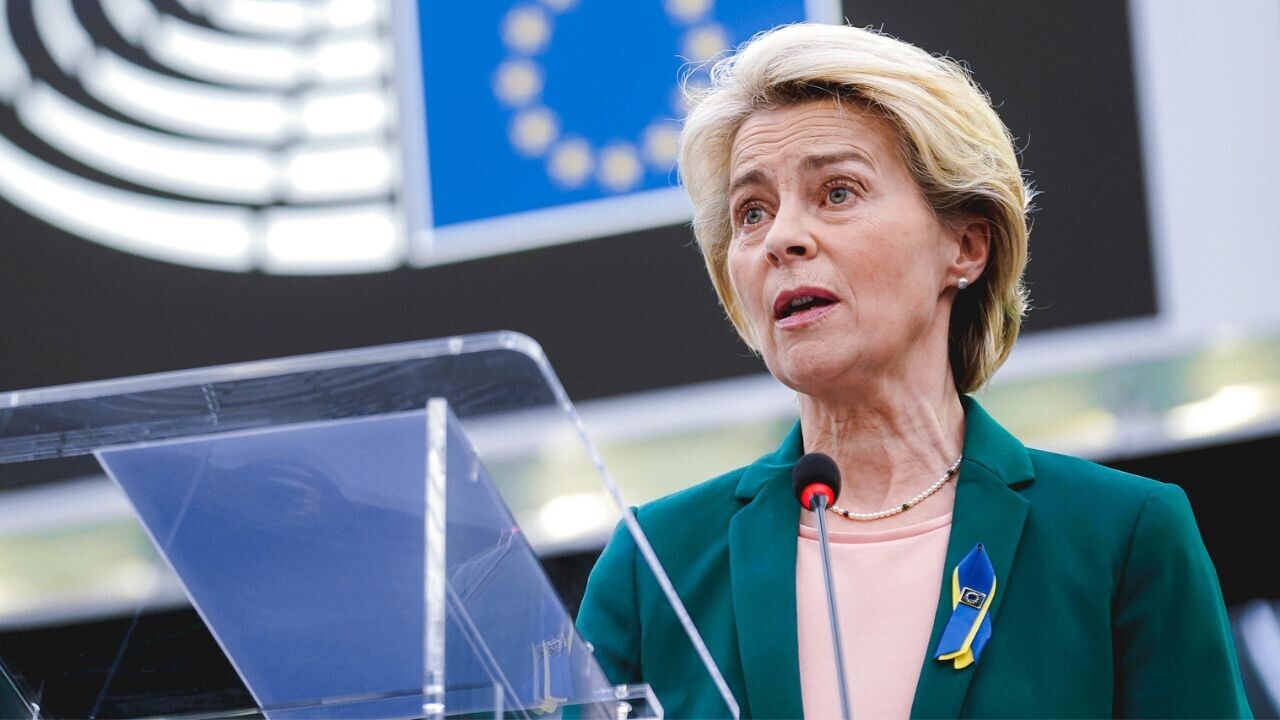
The European Commission introduced a historic €2 trillion seven-year budget on July 16, aimed at enhancing autonomy, competitiveness, and resilience. While this extensive spending plan covers critical digital areas like cybersecurity and innovation, it notably overlooks open source technology.
Open source software, developed and sustained by communities and freely modifiable, forms the bedrock of modern digital infrastructure. Since the 1990s, it has been integral to the digital systems relied upon by European industries and public institutions, leading to significant reliance on open source applications and libraries.
Powering the internet and numerous daily platforms, open source is found in everything from commercial products to government systems and research initiatives. It provides transparency, security, and flexibility that proprietary software often lacks. Investment in open source could empower European small businesses, universities, and public institutions, equipping them to contend with major global tech companies.
Despite its critical role, the budget proposal lacks dedicated funding for open source. This omission is particularly striking considering open source’s recognition in recent legislative efforts like the Cyber Resilience Act, the AI Act, and the proposed Cloud and AI Development Act. This oversight is concerning as Europe aims to enhance digital sovereignty, cybersecurity, and overall competitiveness.
For Europe to maintain digital competitiveness and self-sufficiency, strategic and efficient support for open source is essential. Public investment is necessary to gather resources that cannot be solely supplied by the private sector, philanthropic efforts, volunteers, or the market.
The case for an EU Sovereign Tech Fund
Historically, the EU’s limited open source investment has primarily focused on grassroots innovation. The current emphasis is now shifting towards integrating these technologies into core digital infrastructure on a larger scale.
Maintenance funding presents a distinct approach, which has already undergone trials. A recent significant report by the open technologies think tank OpenForum Europe advocated for an “EU Sovereign Tech Fund” specifically to back European technology initiatives crucial for digital sovereignty, with open source as a central element. This proposal draws inspiration from the German Sovereign Tech Fund, which has fostered global open source collaboration.
Such a fund would be beneficial. Without investment in open source, Europe faces potential reliance on external technologies, increased susceptibility to threats, and reduced competitiveness in international markets. Open source allows Europe to build its own technological infrastructure, offering enhanced control, transparency, and security.
This approach to digital sovereignty is not isolationist; rather, it represents an investment in the global digital infrastructure’s autonomy and resilience. While offering long-term advantages for Europe, it also supports alternatives to the prevailing technology models from the United States — which focus on platform monopolies and market control — and China, characterized by state-directed, centralized systems prioritizing surveillance and strict government oversight.
In contrast, Europe’s open source strategy presents a pluralistic and collaborative alternative, highlighting transparency, interoperability, and public value. Investing in the global open source ecosystem aligns with these principles.
A missed opportunity in the European Competitiveness Fund
The proposed European Competitiveness Fund, a primary financial instrument within the EU’s new budget, fails to designate open source as a strategic investment area, both broadly and in specific digitalization initiatives. This constitutes a significant oversight. Given the fund’s purpose to foster innovation and digitalization throughout Europe, excluding open source is a notable, yet rectifiable, error.
A lack of open source funding would be considered short-sighted, potentially hindering Europe’s digital transformation in a complex and competitive global environment. EU leaders ought to prioritize open source within their new seven-year budget by explicitly integrating it into the European Competitiveness Fund’s digitalization efforts. Establishing an EU Sovereign Tech Fund, along with other dedicated open source investments, will be crucial for achieving these objectives.
