


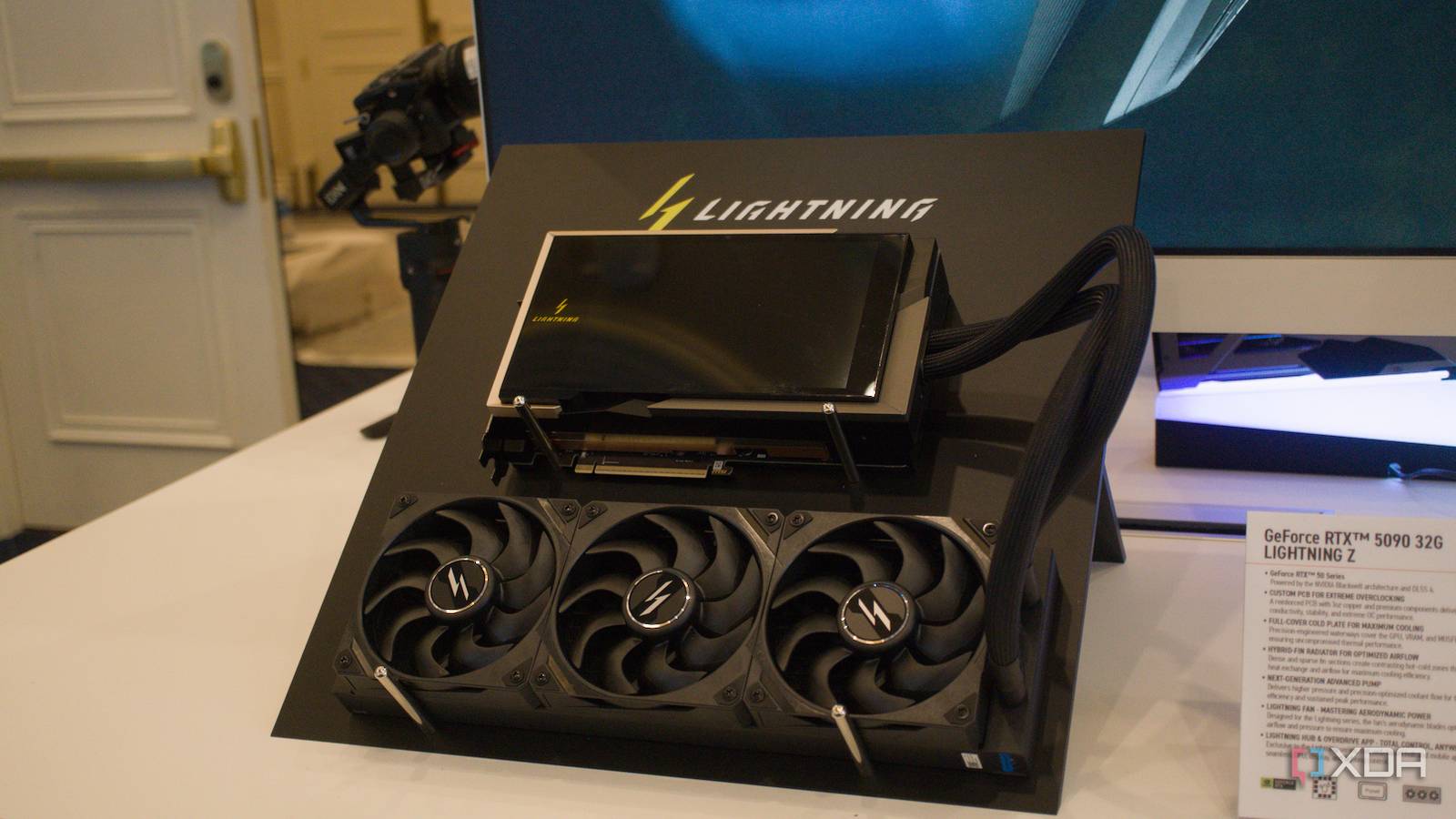
For many years, acquiring a flagship GPU represented the pinnacle for a PC enthusiast. It was the component users saved for, justified, and often built the rest of their system around. Historically, the price of these top-tier cards, typically between $500-$700, was considered reasonable. They delivered cutting-edge performance for the latest games and pushed technological boundaries, remaining within reach for enthusiasts with some disposable income.
Today, flagship cards remain engineering marvels, offering impressive performance. However, their cost has become prohibitive for most consumers. Paying a sum equivalent to an entire PC build for a single component is difficult to justify, and this trend appears set to continue. For many, the decision to move away from purchasing flagship GPUs stems not from a lack of excitement, but from their transformation into luxury items rather than practical components.

The Price Curve Has Been Completely Broken
It Feels Almost Exponential
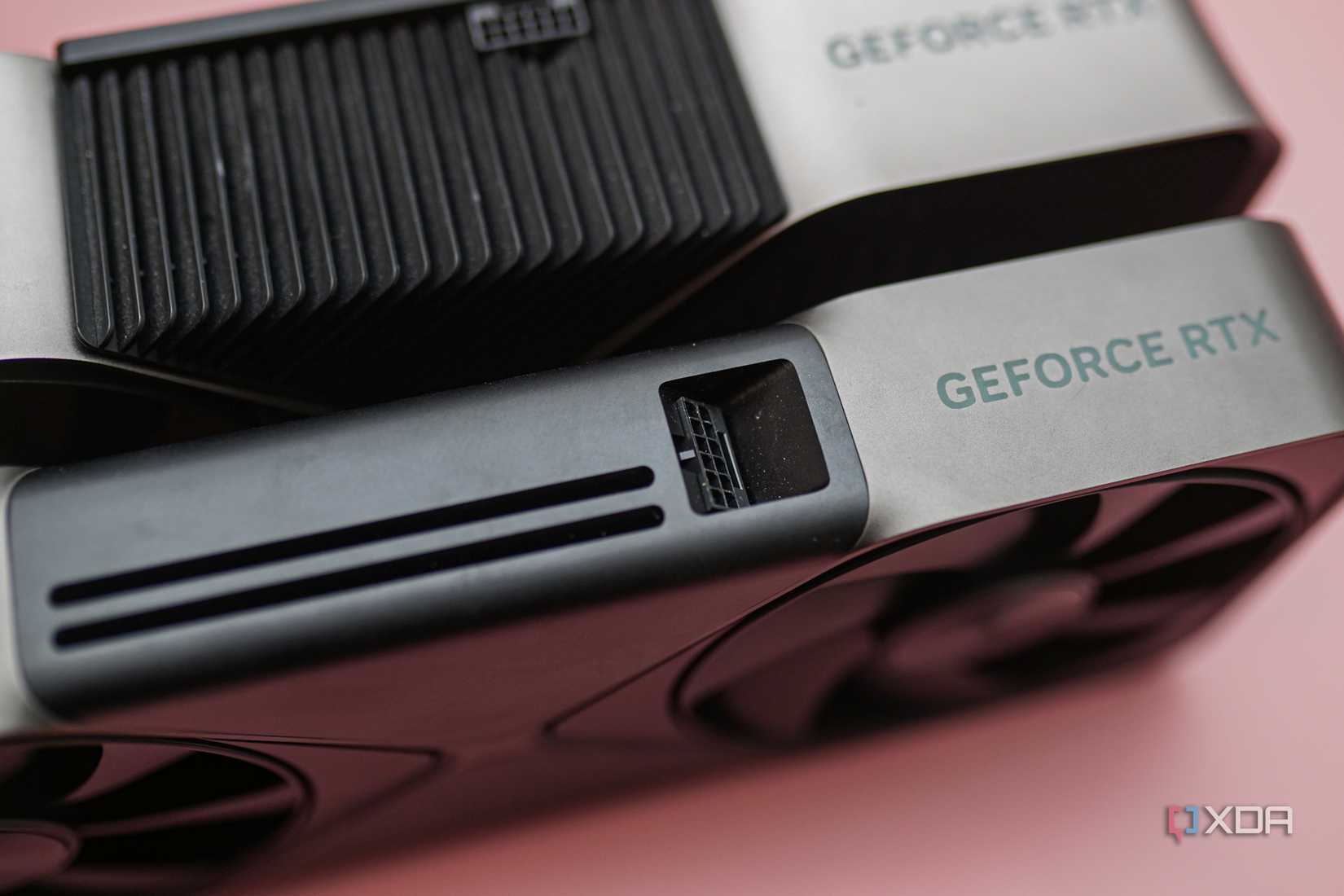
Flagship GPUs were once expensive, but their cost was tied to a clear sense of value. Users paid more for a distinct leap in capability over other cards in the lineup and the previous generation’s best. While current flagships still offer a healthy performance uplift over their predecessors, they are significantly more expensive than other cards in their respective lineups, making everything else seem like an attempt to upsell.
Cards such as the RTX 4090 established four-figure pricing as the norm, a trend solidified by the RTX 5090. The cards positioned below the top tier often feel underwhelming for users upgrading from the previous generation. This has resulted in a market where many cards feel mediocre, with only one standout “crown jewel.” Affordable budget options have largely vanished, and even today’s mid-range cards carry price tags once associated with flagships from a few generations ago.
The Point of Diminishing Returns Has Been Reached
High-End Gaming No Longer Requires a Flagship
Previous flagship GPUs consistently pushed performance boundaries, whether enabling 1440p at high refresh rates or achieving the challenging 4K at 60 FPS. Owning a flagship card once meant experiencing the absolute best in computing. However, these desirable resolutions and frame rates are now achievable without a top-tier GPU.
High refresh rate gaming is now accessible with mid-range cards, a reasonable development given their current pricing. A card in the $500-$800 range can easily deliver triple-digit FPS at 1440p, even without upscaling technologies. With upscaling enabled, 4K at 60 FPS is now possible on a wider range of cards.
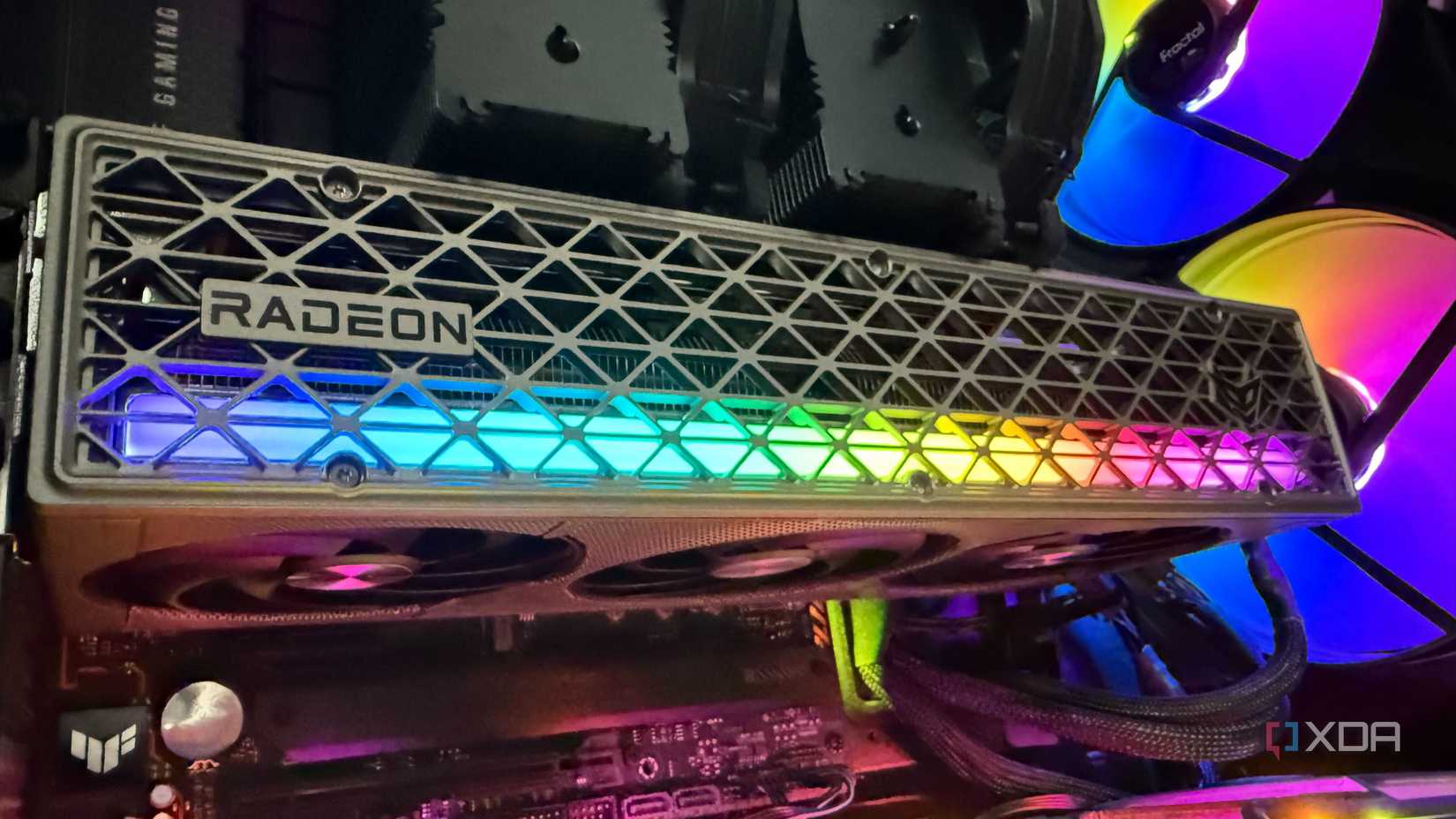
For example, the RX 9070 XT, while positioned as Radeon’s highest card, does not carry a flagship price. Its performance barely surpasses the previous true flagship, the RX 7900 XTX, and it does not compete with the RTX 5090.
Flagship Cards Come With a Footprint
Always Have, Always Will
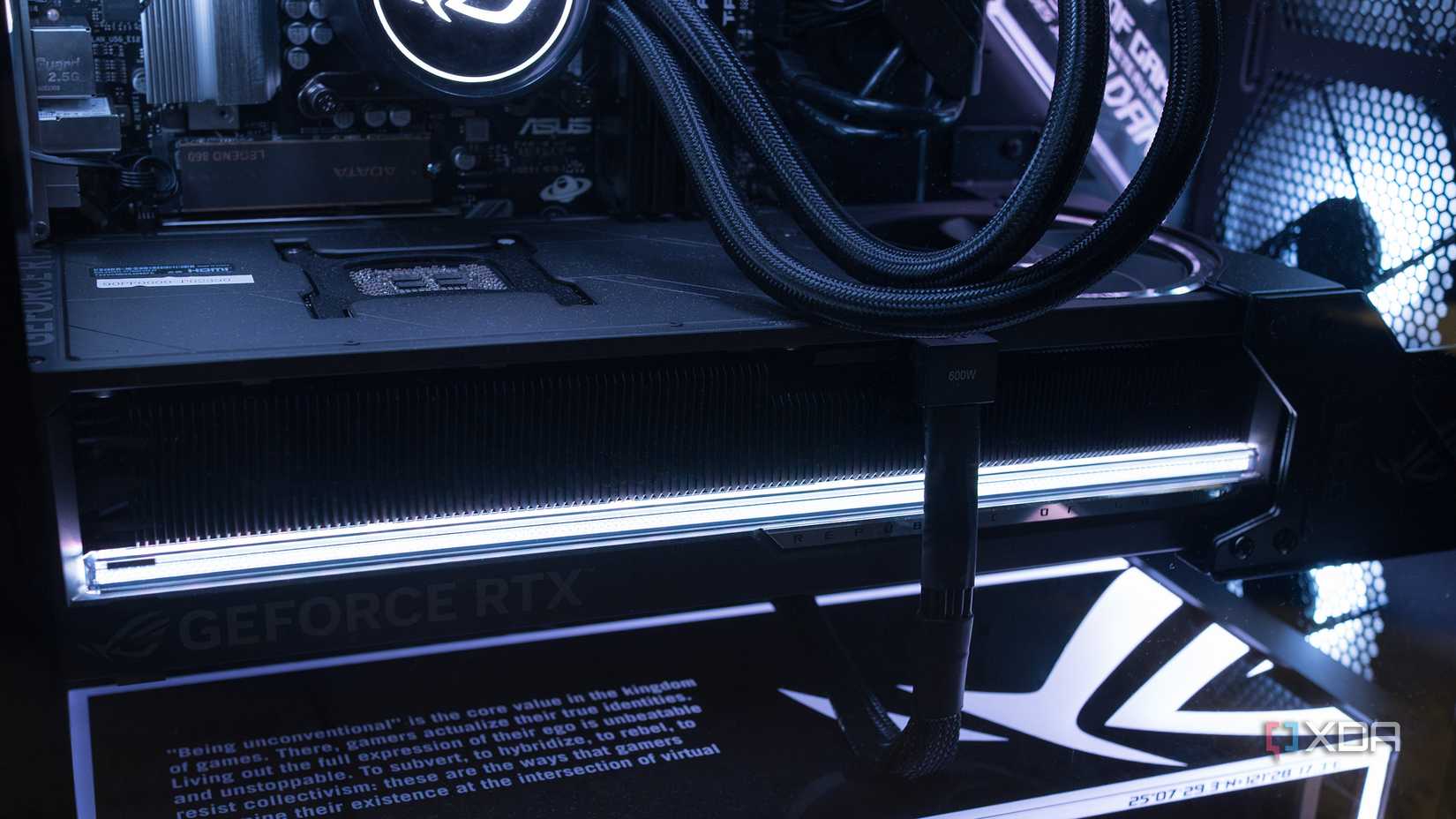
Another significant consideration regarding flagship cards is their overall footprint. This includes their power consumption, acoustic output, and thermal generation, which are consistently notable across generations. While efficiency has improved considerably, the benefit of having a relatively low power, quiet, and cool-running GPU is substantial.
A card like the 9070 XT can be barely audible under full load, offering a welcome change from previous experiences, such as with an RTX 3080. Even an EVGA FTW3 model of the RTX 3080 was often loud, ran hot, and consumed significant power.
Flagships Will Always Be Attractive
Being at the Top of a Product Stack Comes With Benefits
The appeal of owning the fastest consumer GPU available is undeniable. It guarantees the absolute best performance money can buy, and a segment of users will always be willing to pay for that distinction alone. However, after experiencing this with cards like the GTX 1080 Ti and RTX 3080 over several generations, that allure can diminish. A key aspect of modern GPUs, particularly from Nvidia, involves software features. For those seeking access to all possible software enhancements, such as the latest upscaling technologies or ray tracing improvements, purchasing a flagship card ensures the fullest experience.
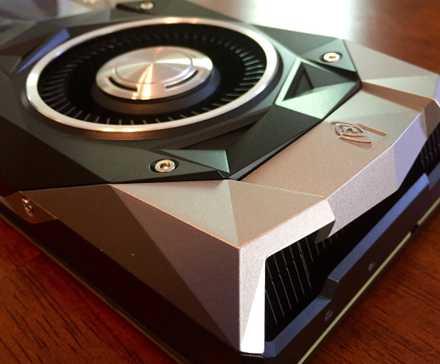
The Urge to Buy a Flagship May Persist, But Practicality Prevails
The temptation to acquire a new flagship GPU with each launch remains for many enthusiasts. The idea of owning the fastest card on the market can still be appealing. There is a deep satisfaction in knowing one is running the absolute best hardware available, free from compromise or second-guessing. This feeling does not disappear simply because the financial justification becomes less clear, but the practical considerations often outweigh the desire. The reality is that such purchases are often not practical for most users.
