


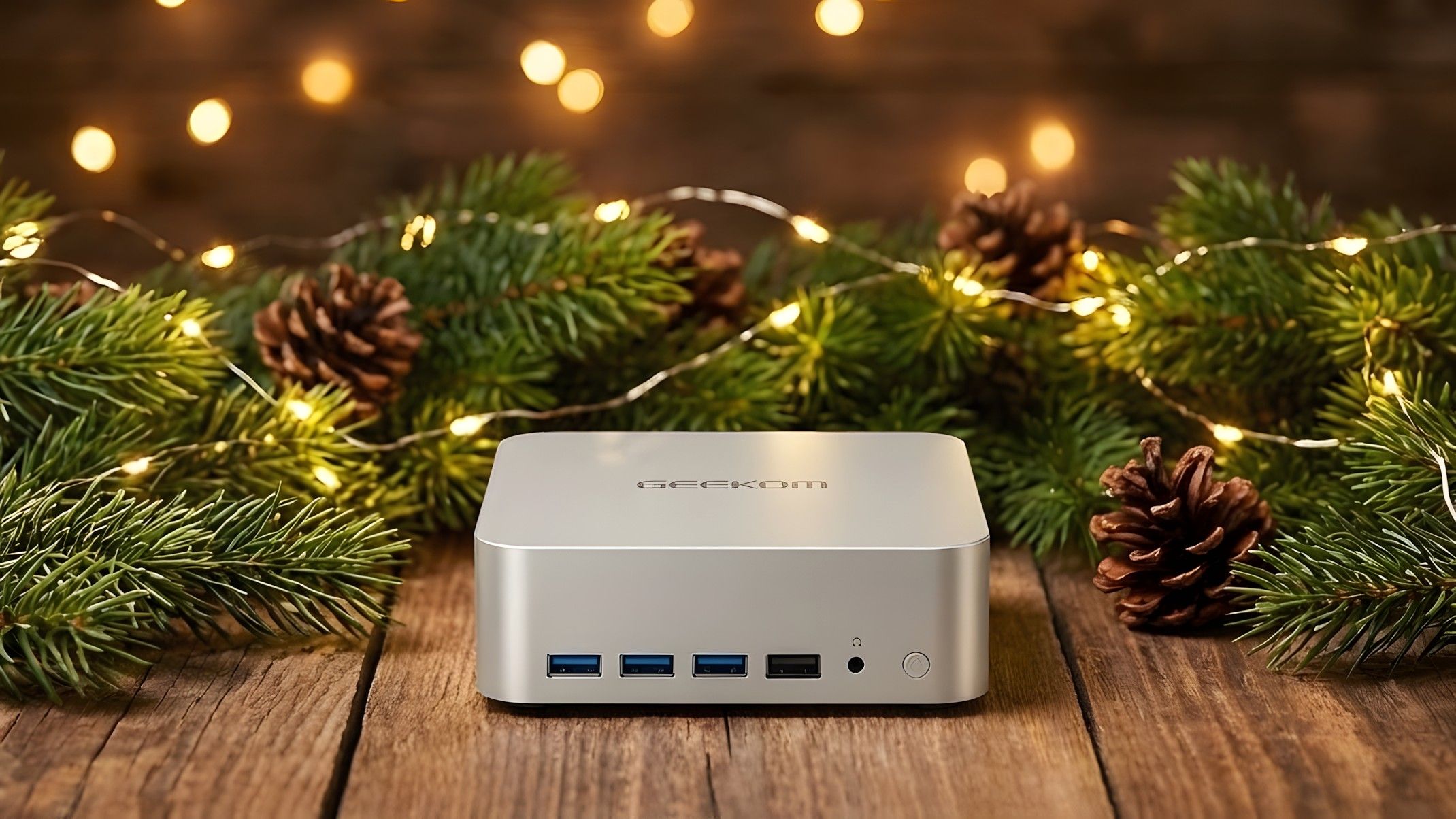
Switching to a mini PC for the majority of desktop work has proven to be a tremendous success.
Working in the tech industry offers the opportunity to explore numerous new products annually, with some becoming permanent fixtures in a daily workflow. This has been the experience with the mini PC.
Previously, a gaming PC handled both professional tasks and entertainment, but this setup proved to be excessive for work-related activities. A Mac Mini served as a daily driver over a decade ago, indicating a long-standing interest in compact computing solutions.
The Geekom A9 Max mini PC emerged as a significant upgrade, becoming the primary device for most tasks. These compact machines demonstrate remarkable power, occupy less physical space, produce minimal heat and noise, and operate with greater energy efficiency. Adopting this mini PC represents a highly beneficial change.
Laptop chips are seriously good now
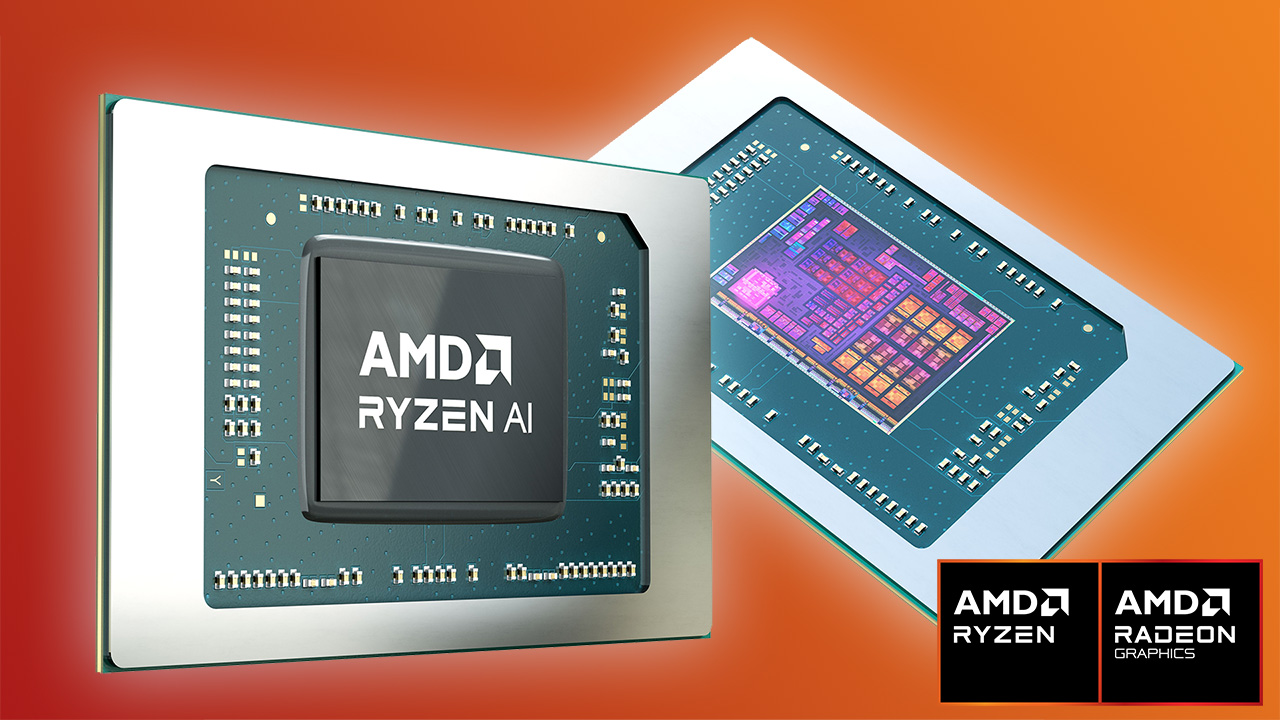
AMD’s Ryzen AI chips deliver impressive performance.
The last significant period of using a Windows mini PC involved a desktop AMD APU, specifically an ASRock Deskmini with a Ryzen 5 3400G. This setup was effective for both work and light gaming.
Currently, most mini PCs feature laptop-grade processors from either Intel or AMD. This reflects substantial industry progress, as these chips now offer performance comparable to desktop CPUs for many applications.
The model in use features AMD’s Ryzen AI 9 HX370, a 55W APU equipped with 12 cores, 24 threads, and Radeon 890M graphics. This configuration includes four Zen 5 ‘performance’ cores and eight Zen 5c ‘efficiency’ cores, similar to the hybrid architecture found in some desktop Intel CPUs with a mix of performance and efficiency cores.
These powerful CPUs are often more powerful than needed for most daily tasks, with local AI processing and gaming being the primary demanding applications.
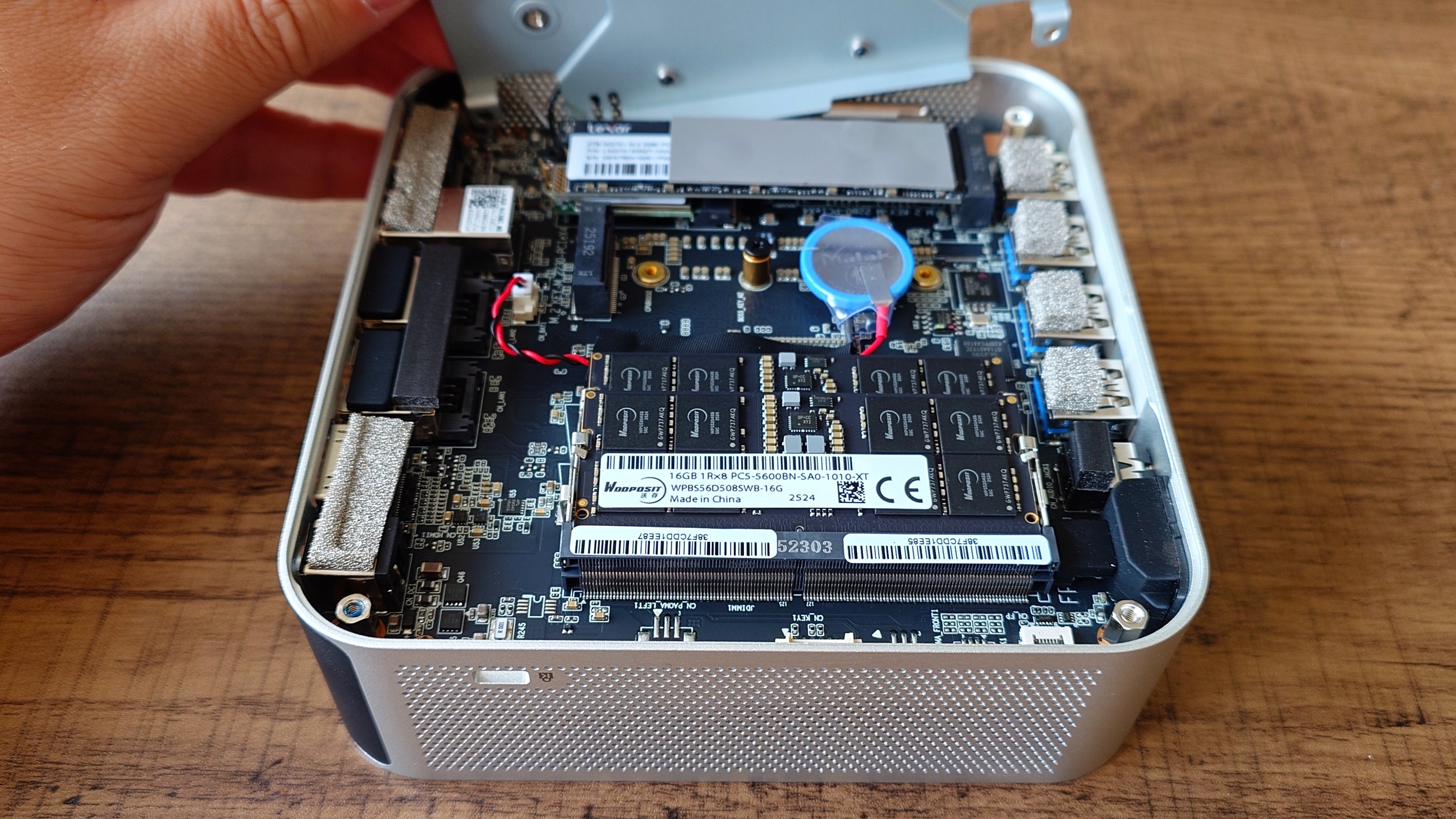
Despite their compact size, many mini PCs allow for RAM upgrades and often include an additional SSD slot.
The Ryzen AI 9 HX370 delivers exceptional performance. Without battery life concerns, a mini PC can be pushed to its full potential, handling demanding tasks with ease.
AMD’s integrated graphics have historically been strong, often surpassing Intel’s offerings. The Radeon 890M continues this trend. Gaming capabilities will be discussed further, but another significant use case for this mini PC involves running local AI models via LM Studio.
With 32GB of RAM, up to 24GB can be allocated to the GPU, enabling the smooth operation of large LLMs. Naturally, performance will not match a high-end dedicated GPU like an RTX 5090.
However, this demonstrates that a full PC costing approximately $1,000 can manage tasks that might typically require a much more expensive dedicated GPU setup.
Yes, gaming on a mini PC is possible, and enjoyable
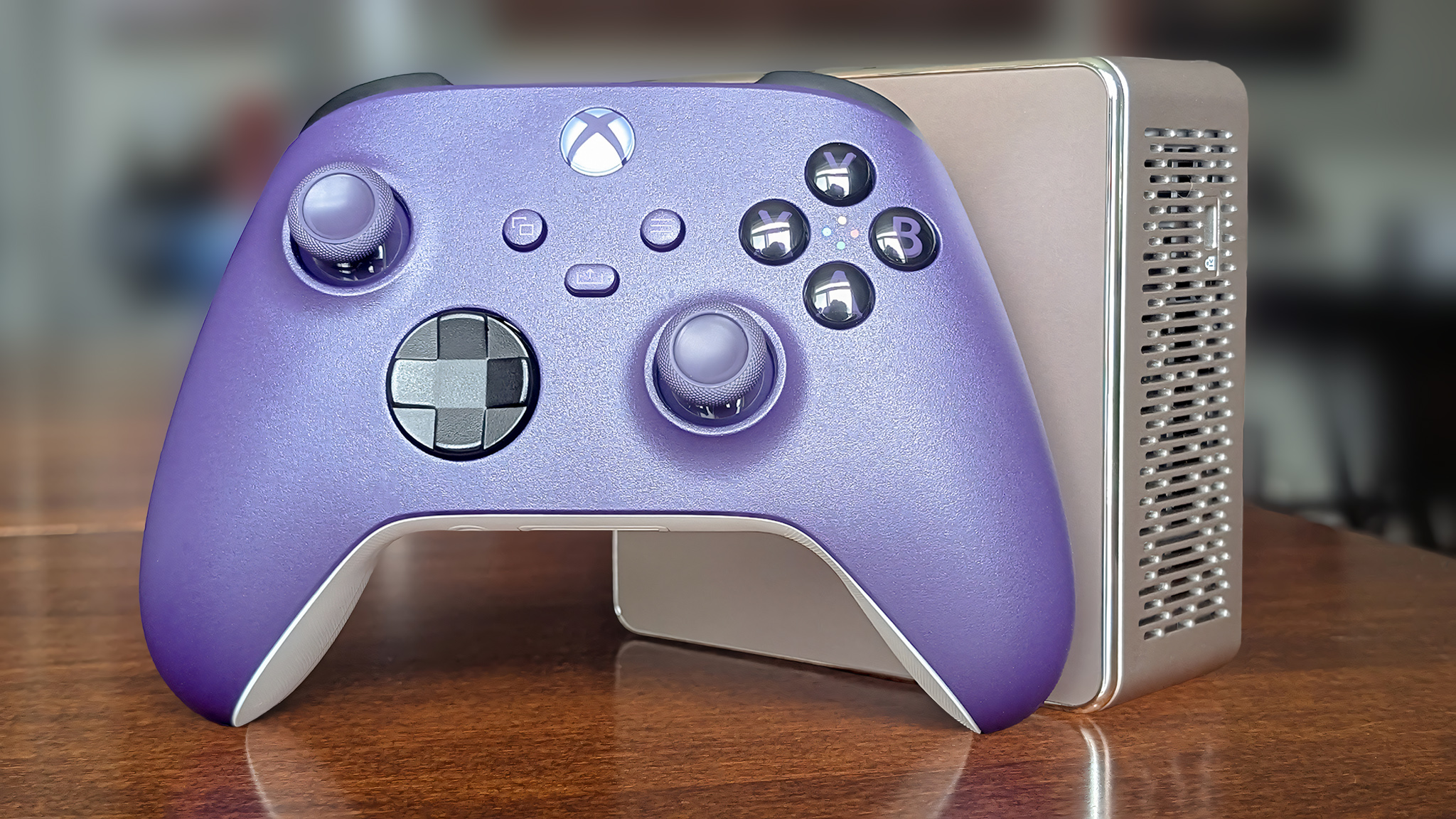
Achieving the best gaming experience on a mini PC requires investing in a more capable model, but the results can be impressive.
The rise of handheld gaming PCs has led to increased focus from both game developers and AMD on optimizing software for less powerful hardware.
A dedicated desktop gaming PC may not be fully replaced, as a high-end GPU like an RTX 5090 is still utilized for extensive gaming sessions, such as playing Call of Duty.
Nevertheless, 1080p gaming at 60 FPS and above is achievable with this chip. During the review of the Geekom A9 Max, various games were tested, and FSR technology helped maintain 60 FPS even in demanding titles.
Cyberpunk 2077 can run at medium settings at 60 FPS or higher with Frame Generation. Forza Horizon 5 also performs above 60 FPS on high settings, as does Call of Duty.
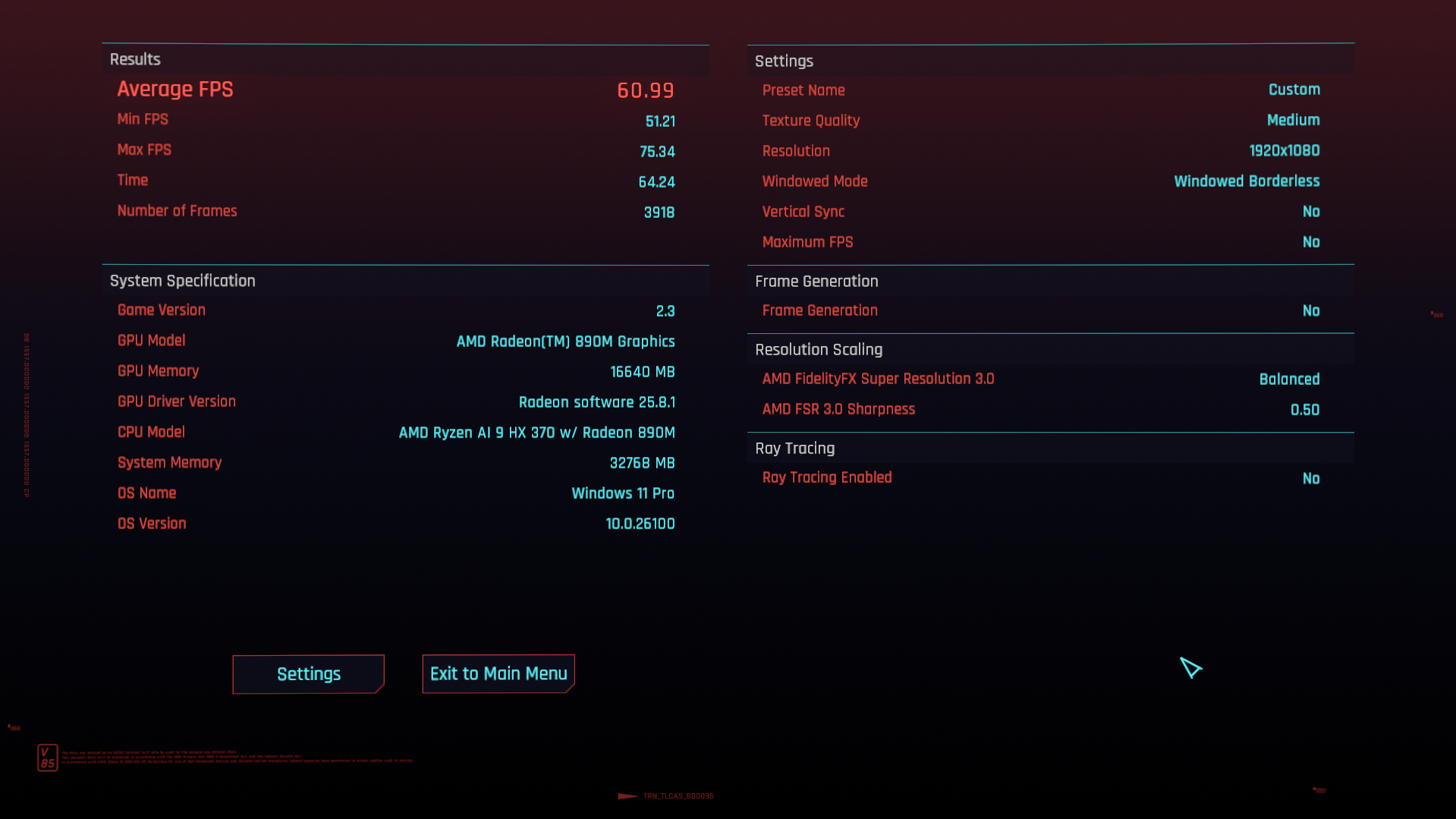
Benchmark results for Cyberpunk 2077 on the Geekom A9 Max mini PC.
AMD’s FSR upscaling technology continues to advance, performing effectively on mini PCs, similar to its performance on handheld devices like the Steam Deck or Xbox Ally. Frame Generation technology is remarkably effective. While not ideal for multiplayer games, its impact on single-player titles such as Cyberpunk 2077 or Spider-Man: Remastered is impressive.
Even demanding titles like Borderlands 4 have been playable on this device. Considering the initial performance challenges of that game on PCs, this highlights the surprising capability of mini PCs.
Future plans include experimenting with the Xbox Full Screen Experience to evaluate its potential as a living room gaming console during upcoming holidays. Consideration was given to Bazzite, but the focus remains on the Xbox Full Screen Experience’s adaptation to a large display.
There are very few compromises in using a mini PC over a regular desktop
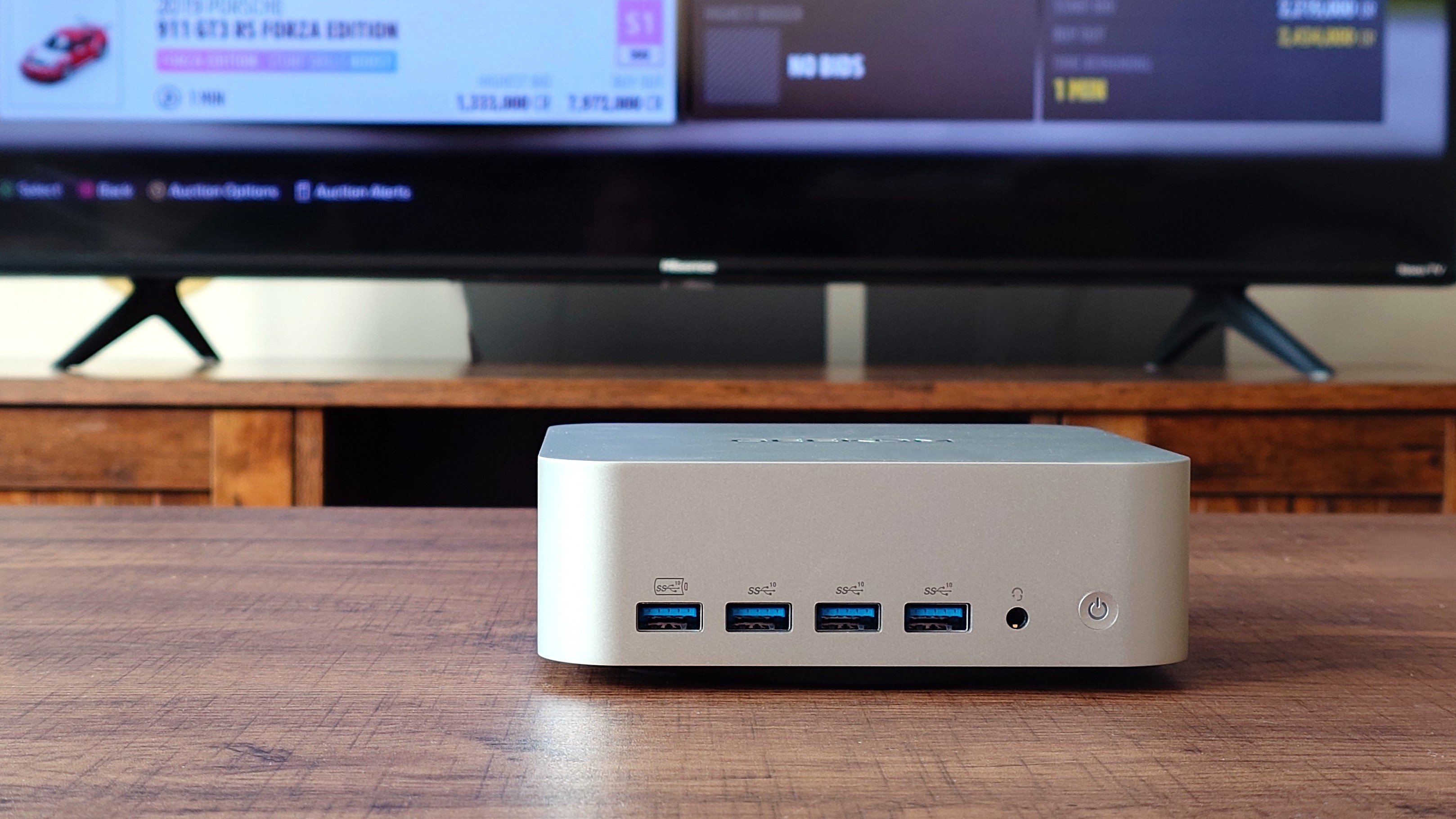
The amount of functionality packed into such a small device is quite remarkable.
Ultimately, transitioning to a mini PC for work has revealed minimal compromises compared to previous setups. Beyond certain gaming scenarios, the Geekom A9 Max can handle all tasks previously performed on a gaming PC or laptop.
The mini PC offers superior connectivity options compared to some traditional desktops, featuring two SSD slots and upgradeable RAM.
Calculations suggest potential annual savings of up to £300 in electricity costs by reducing the usage of a power-hungry gaming PC with an RTX 5090, based on UK electricity prices. This represents a significant financial benefit.
The Geekom A9 Max was previously noted for its versatility, and continued use has reinforced its capability as a comprehensive computing solution.

