


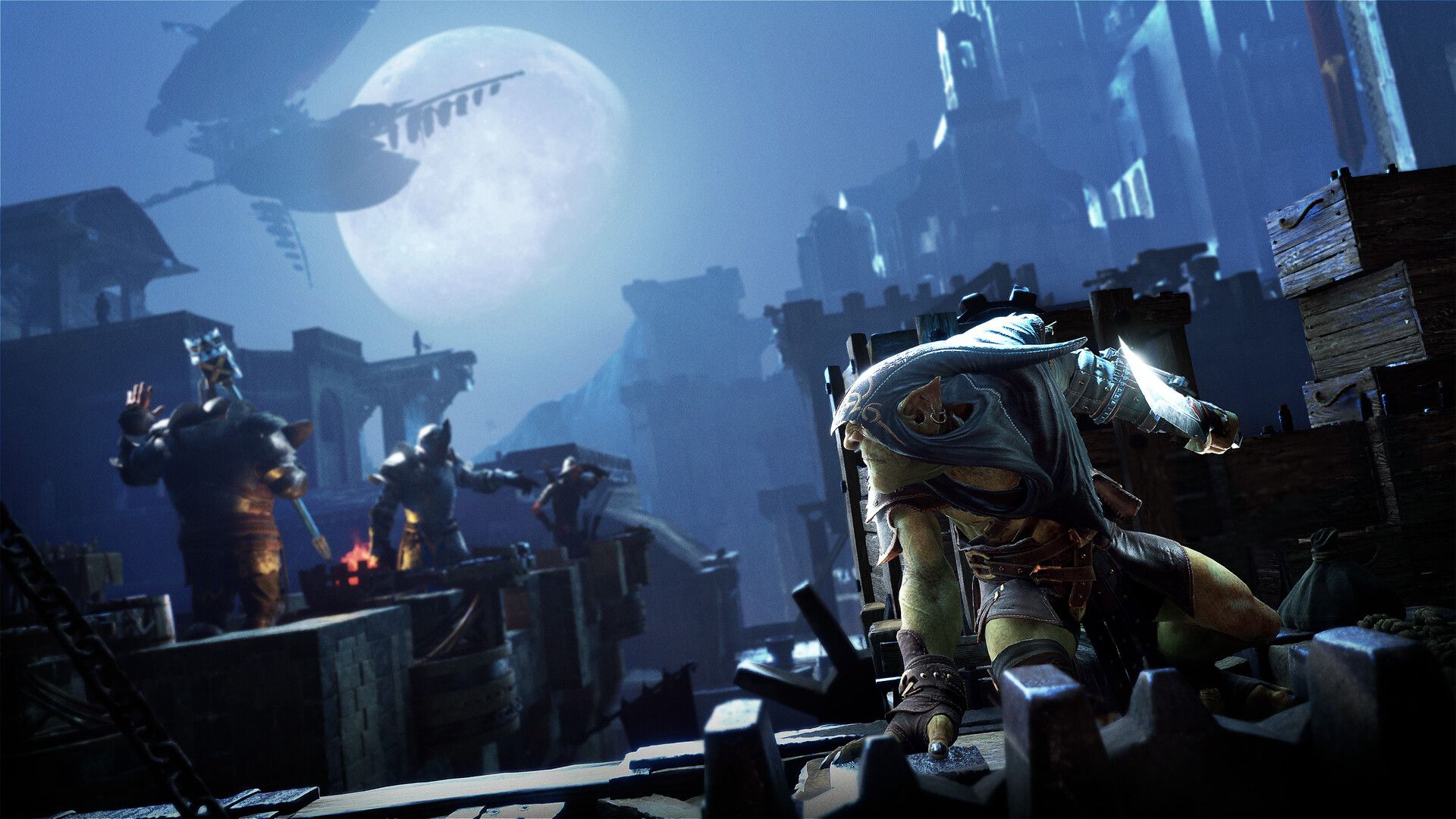
Styx: Blades of Greed Review
Styx: Blades of Greed stands out as a truly old-fashioned stealth game, offering satisfying sneaking mechanics and intricate, highly replayable levels. It could be considered among the best pure stealth titles of the last decade. However, its appeal is somewhat diminished by numerous bugs and technical problems on PC, alongside often unpolished voice acting and cutscenes, which might deter those not deeply committed to the genre.
$31.99 at Fanatical(PC)$31.99 at Green Man Gaming$39.99 at Humble Bundle, Inc.Check Amazon
Pros
- Rewarding trial and error gameplay
- Large, intricate levels that encourage exploration
- Diverse abilities and movement options
- A surprisingly engaging story with humor
Cons
- Technical issues, bugs, and performance problems on PC
- Subpar voice acting for many characters
- Low-quality cutscenes
Styx: Blades of Greed distinguishes itself from modern stealth-action franchises like Assassin’s Creed, Sniper Elite, or Hitman. This title offers a genuine, traditional stealth experience, a rarity in today’s gaming landscape.
The gameplay centers entirely on stealth: silently navigating shadows and environments to avoid detection. It prioritizes evasion rather than blending in or eliminating enemies from a distance.
Styx: Blades of Greed (PC Download) at Fanatical for $31.99
As the titular green goblin, Styx is not built for direct combat; being detected often leads to immediate failure. While capable of handling one or two weaker foes, Styx’s limited health means open conflict quickly escalates as more guards are alerted.
Moving around maps often requires a constant crouch, as even footsteps can trigger a chain reaction resulting in Styx being overwhelmed. This can be frustrating, but it contributes to the game’s unique challenge and satisfaction.
Achieving a flawless infiltration is incredibly rewarding, and clever quality-of-life features prevent the experience from becoming overly exasperating.
Styx and stones
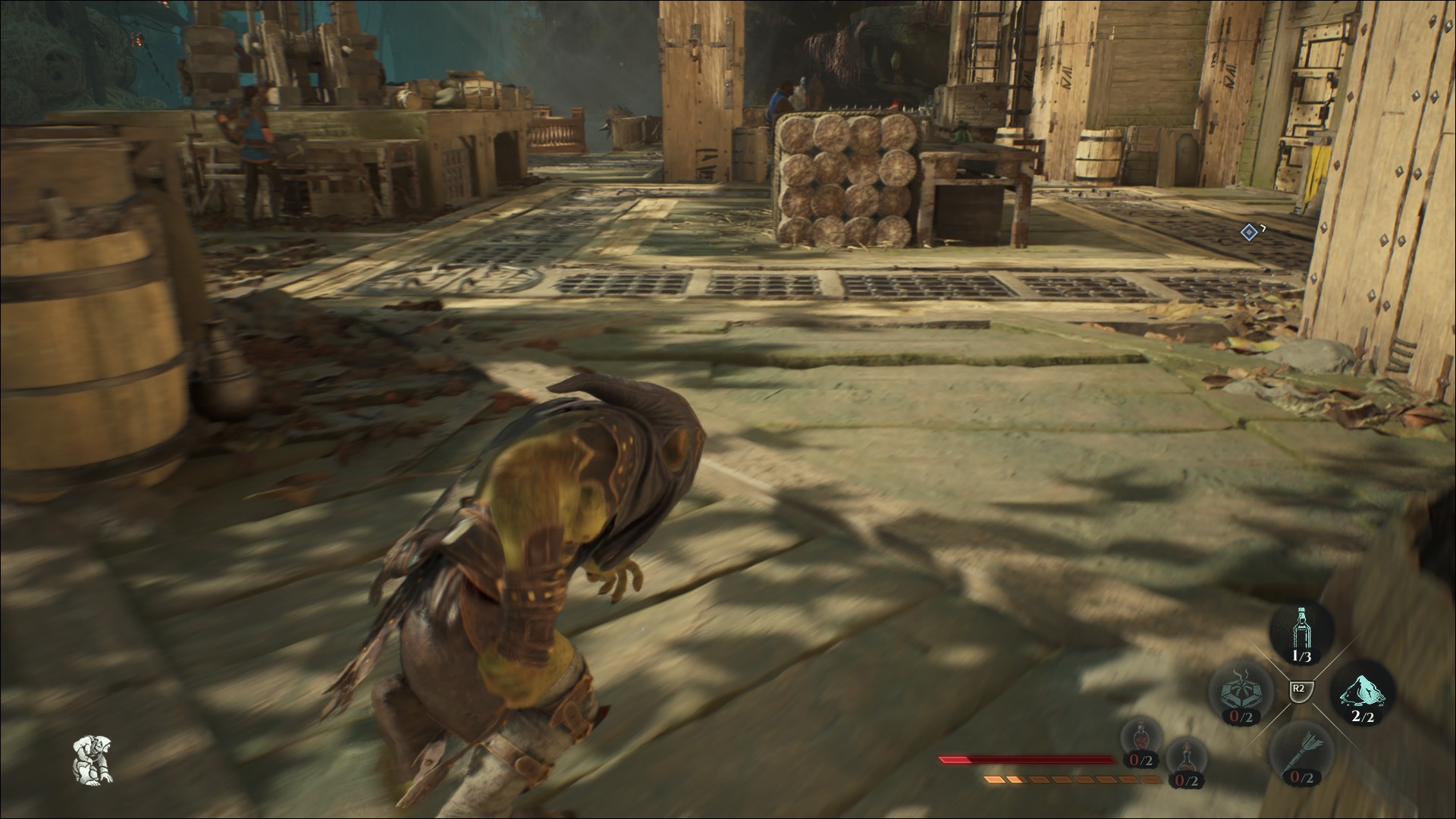
A notable innovation is the intelligent quick-save system. While “save scumming” is often viewed negatively in other games, Styx: Blades of Greed not only makes it essential for success but actively encourages it.
Saving is instant, typically mapped to a controller’s left thumbstick, with a subtle on-screen notification that maintains immersion. If Styx is attacked, falls, or touches water (goblins apparently dissolve instantly), a quick reload returns to the last save point after a brief loading screen.
Initially, this might feel unusual, but after a few hours, saving after every significant advancement becomes second nature and provides a liberating sense of freedom.

Instead of being a setback, deaths become opportunities for experimentation. Players are encouraged to ask: “What if an acid trap was placed there as the guard approached?”, “Can that worker be eliminated without his partner noticing?”, or “Would that falling chandelier really land on that armored patrol if timed correctly?”
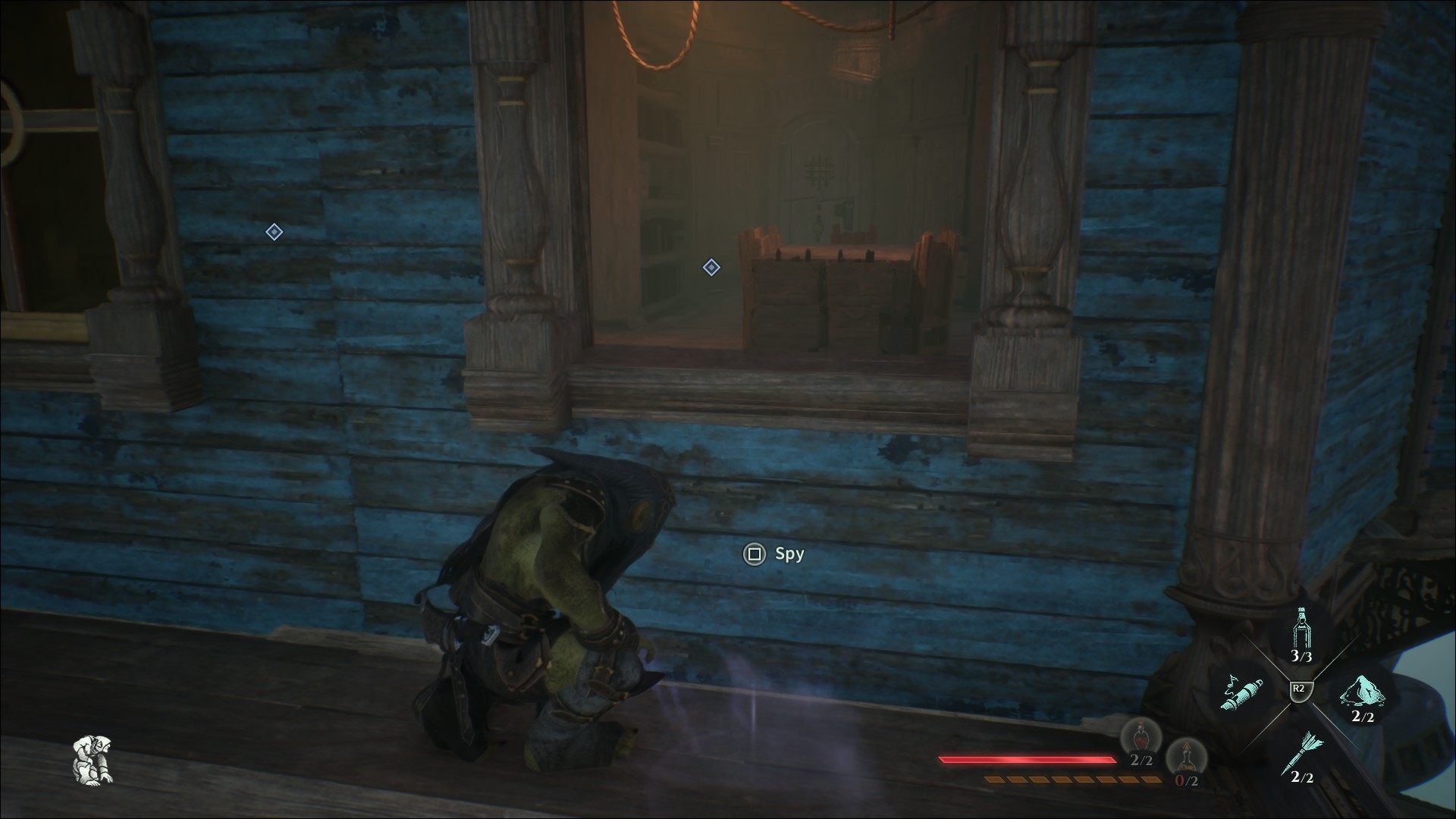
In this installment, Styx is more mobile than ever before, with an incredibly fast default move speed and rapid double jump. It makes scurrying across open rooftops or darting down empty corridors a joy, and really helps players feel like a devious little goblin.
The game’s three main levels are mammoth and filled with multiple avenues of approach that really reward trying new approaches. With endless ledges, chimneys, the undersides of tables, inside barrels or chests, and maintenance passages, players are never short of places to hide, and making full use of every available spot in order to infiltrate somewhere flawlessly is satisfying.
The fact that there are ‘only’ three maps should not be a concern. Side quests and collectibles incentivize thorough exploration, and an intelligent Metroidvania-esque progression system gradually provides new traversal tools like grapple hooks or gliders that open up vast new zones within them to explore.
Each story chapter also ends in unique, more linear segments that are a refreshing change of pace after such openness and help players get acquainted with each new mechanic as they come.
Carrot and Styx
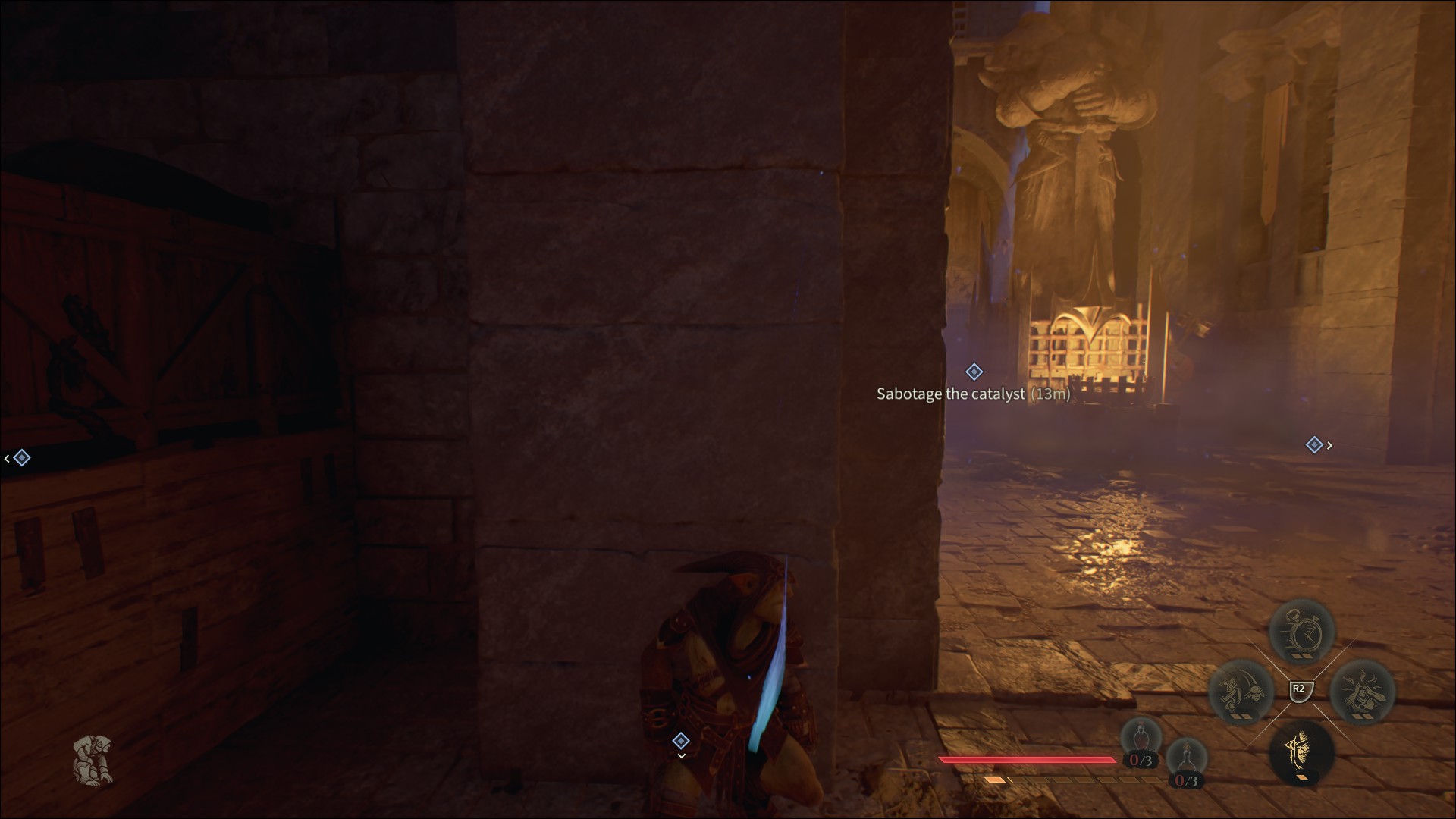
Styx is a seasoned master of infiltration, possessing a wealth of abilities unlocked through a modest but impactful upgrade tree. The most interesting of these are tied to the acquisition of Quartz, the sinister new material that Styx and his rag-tag crew of allies are pursuing.
Mind control allows for manually piloting adversaries that would otherwise be too powerful to defeat, commanding them to jump to their deaths, while slowing down time helps escape otherwise impossible situations in a flash.
This is on top of some returning favorites from the past Styx games, like invisibility, throwable clones that latch on to the faces of foes, plus basic tools like throwable bottles, acid mines, and more. It’s perfectly possible to get through the game without using the majority of these, but fully engaging with every tool at one’s disposal invites exciting gameplay possibilities.
It’s unfortunate that there are plenty of jagged edges here that might trip up those coming over from more casual stealth experiences. The commitment to make Styx: Blades of Greed a faithful sequel to both Master of Shadows and Shards of Darkness (not to mention a prequel to Of Orcs and Men) is appreciated, but it’s almost too faithful at times, especially since the last installment was almost ten years ago.
Without knowledge of the previous entries, the otherwise surprisingly decent story isn’t going to make much sense, and many of its coolest moments, like returning to the ruins of an old map, simply won’t resonate.
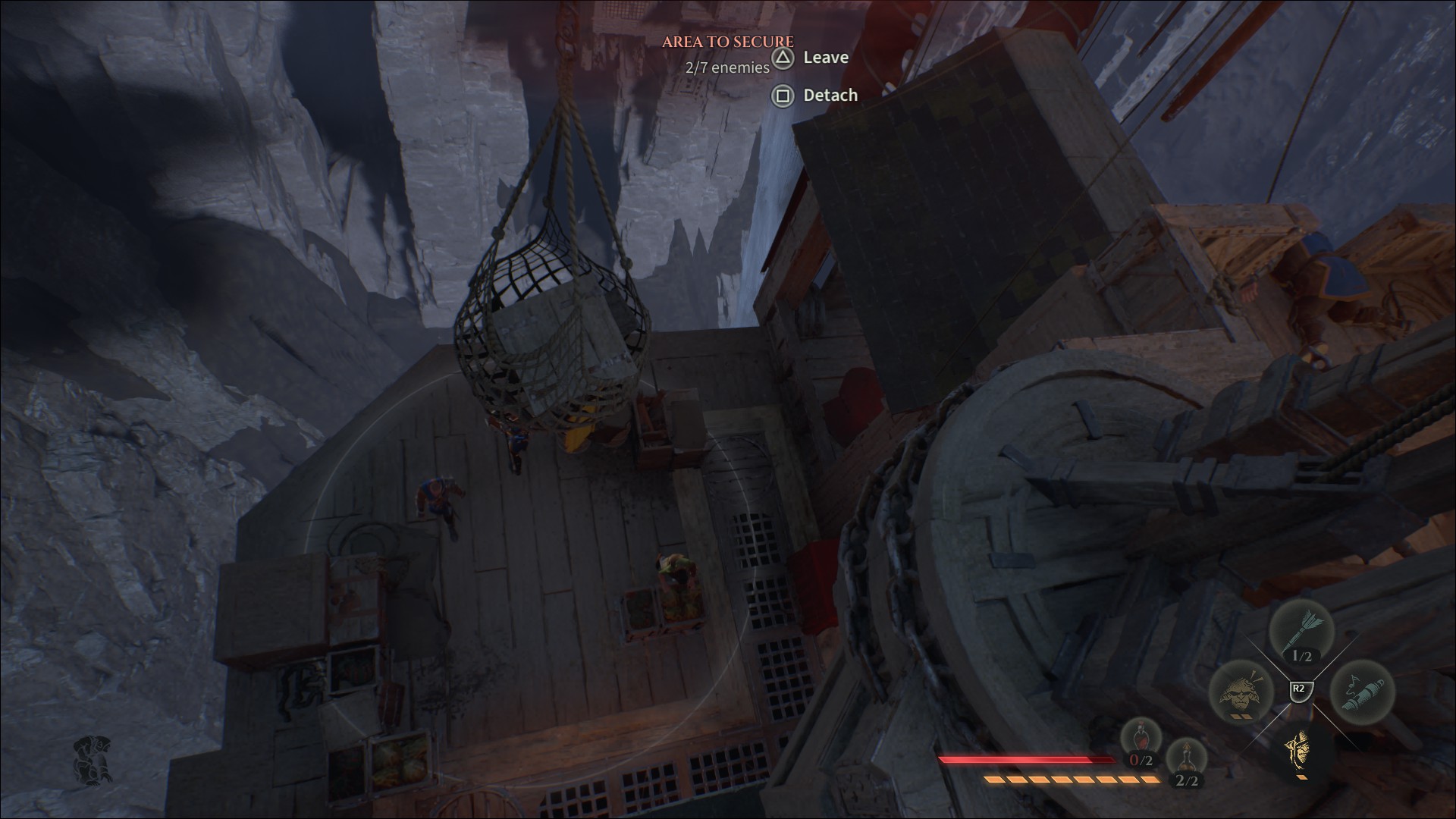
Even true Styx fans might struggle to stay fully engaged with it, given the fairly dire voice acting. The performance for the protagonist is excellent, especially his many ironically charming one-liners, but the lines for side characters and NPCs are often amateurish. Cutscenes feel cheaply animated, with stilted motion and odd cuts that never seem to flow quite right.
There’s plenty of more general jankiness to get past, too, from frame rate stutters and typos in subtitles to bugs that see players fall through the floor, get seen through solid objects, or have the entire game crash without warning. Thanks to its strong foundations, the experience was never truly spoiled, but patches for improved stability would be beneficial.
