


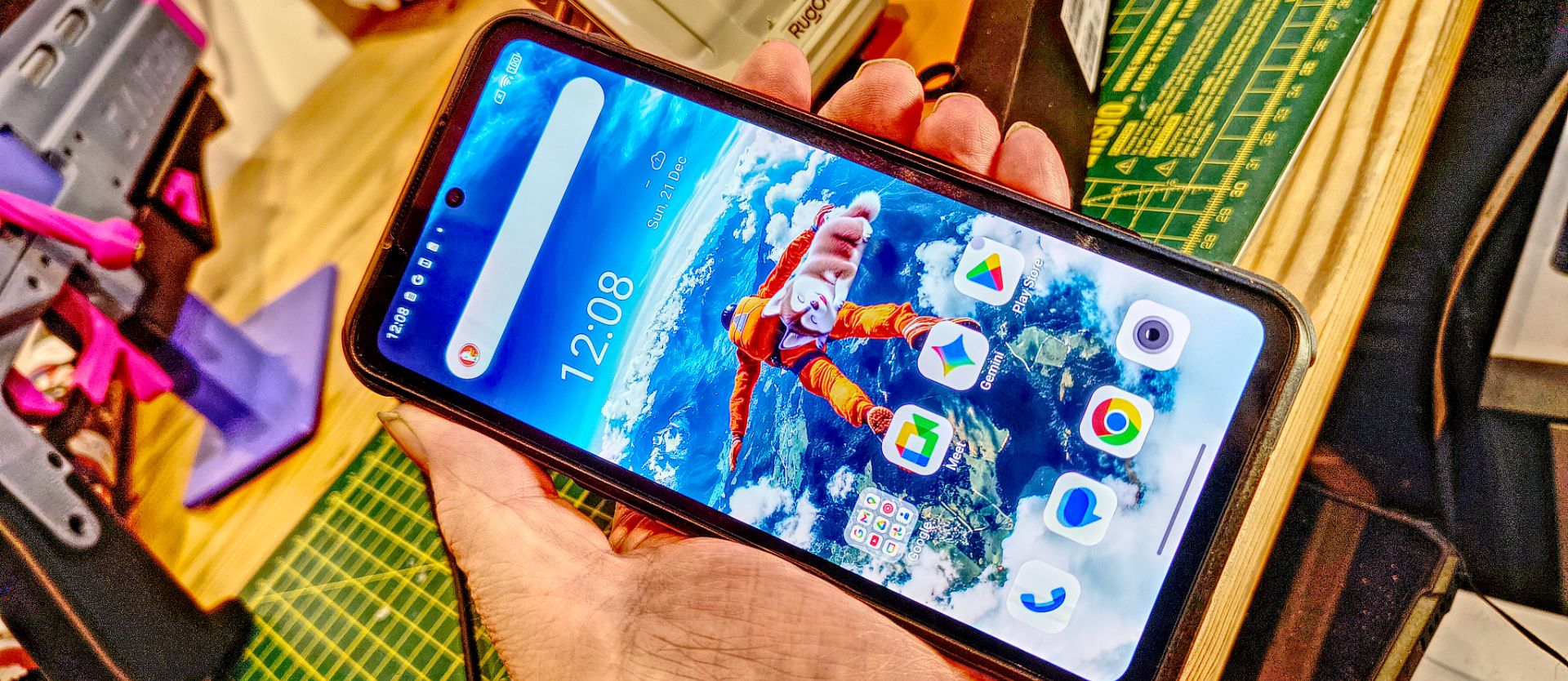
TechRadar Verdict
The RugOne Xever 7 Pro boasts several commendable features, but its high price is a significant drawback. For a device in this price range, the chosen System-on-Chip (SoC) is insufficient, particularly its weak GPU. While the swappable battery concept is excellent, the inability to purchase extra batteries currently diminishes its appeal.
- Pros
- Extremely rugged
- Hot-swappable battery
- Decent camera
- Thermal imaging
- Cons
- Expensive
- SoC lacks power
- GPU does not fully support Vulkan
RugOne Xever 7 Pro: 30-second review
RugOne, a division of Ulefone, focuses on more premium and business-oriented rugged phone designs. The Xever 7 Pro, along with its sibling the Xever 7, represents a new approach to rugged phone design, aiming for excellent battery life without excessive bulk.
This is achieved through hot-swappable batteries, a feature more commonly found in tablets than modern smartphones.
The single 5550 mAh battery can be easily swapped with a replacement, theoretically allowing for indefinite usage. This design keeps the phone’s size and weight practical for daily use despite its extended potential runtime.
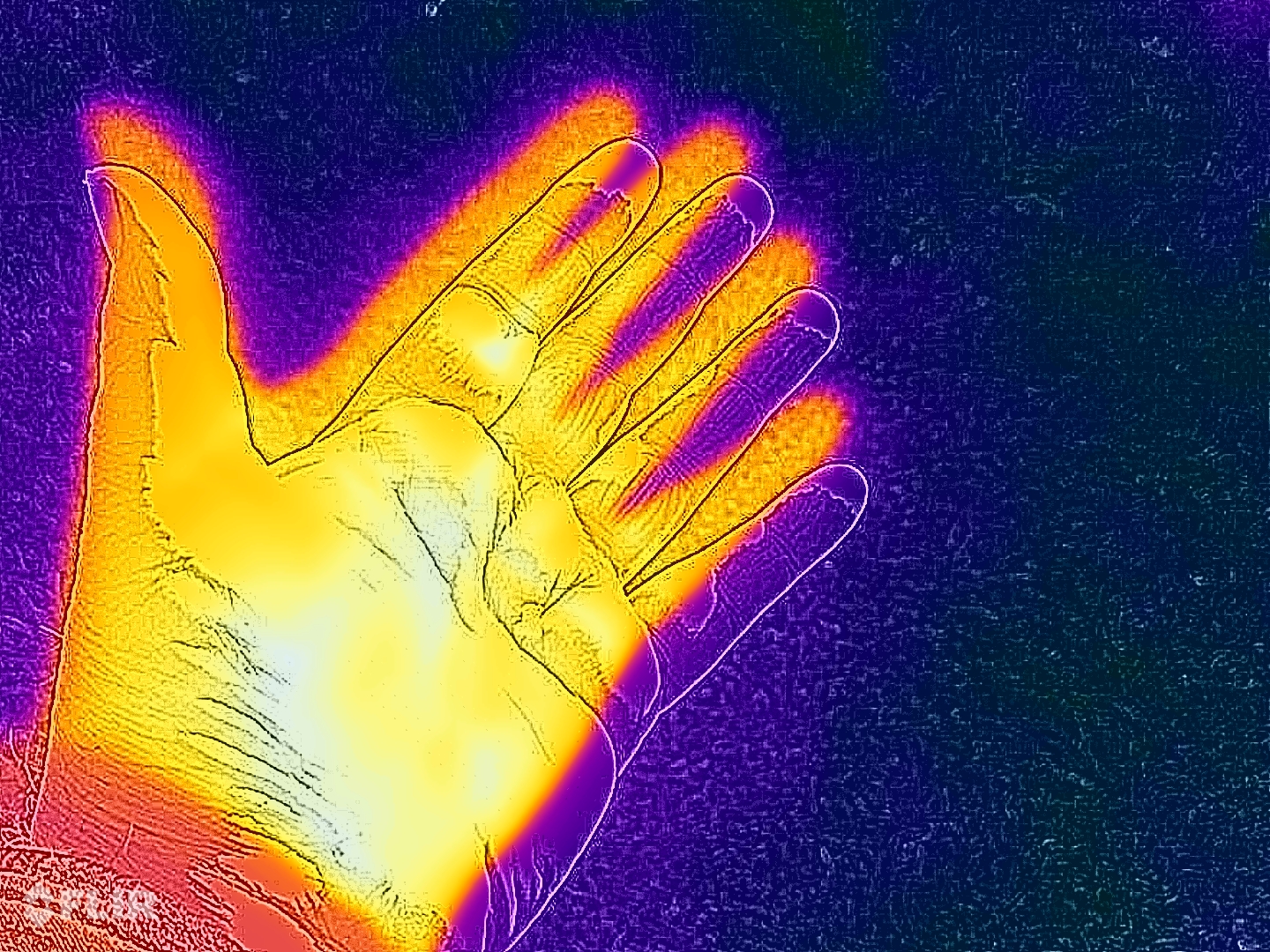
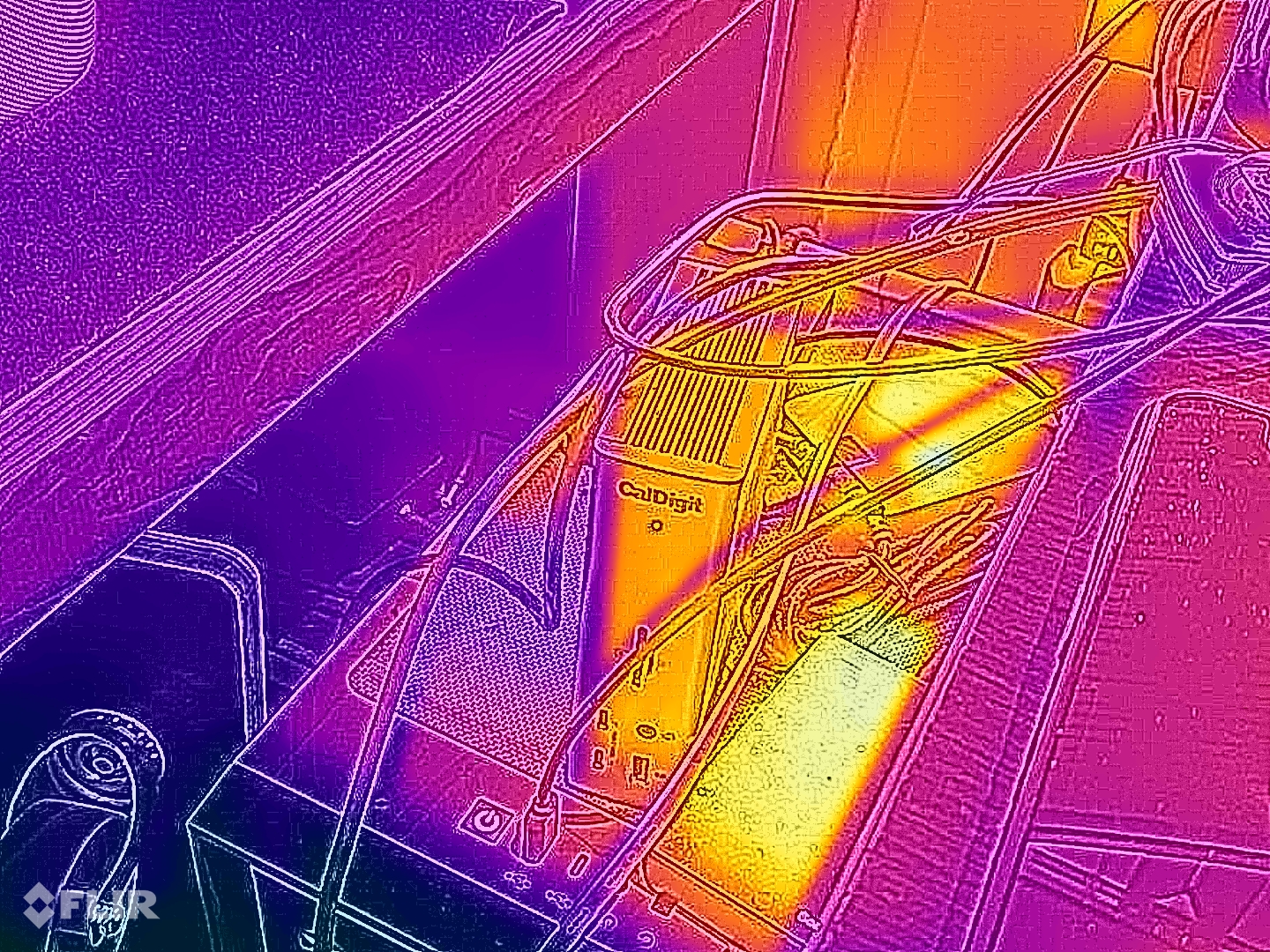
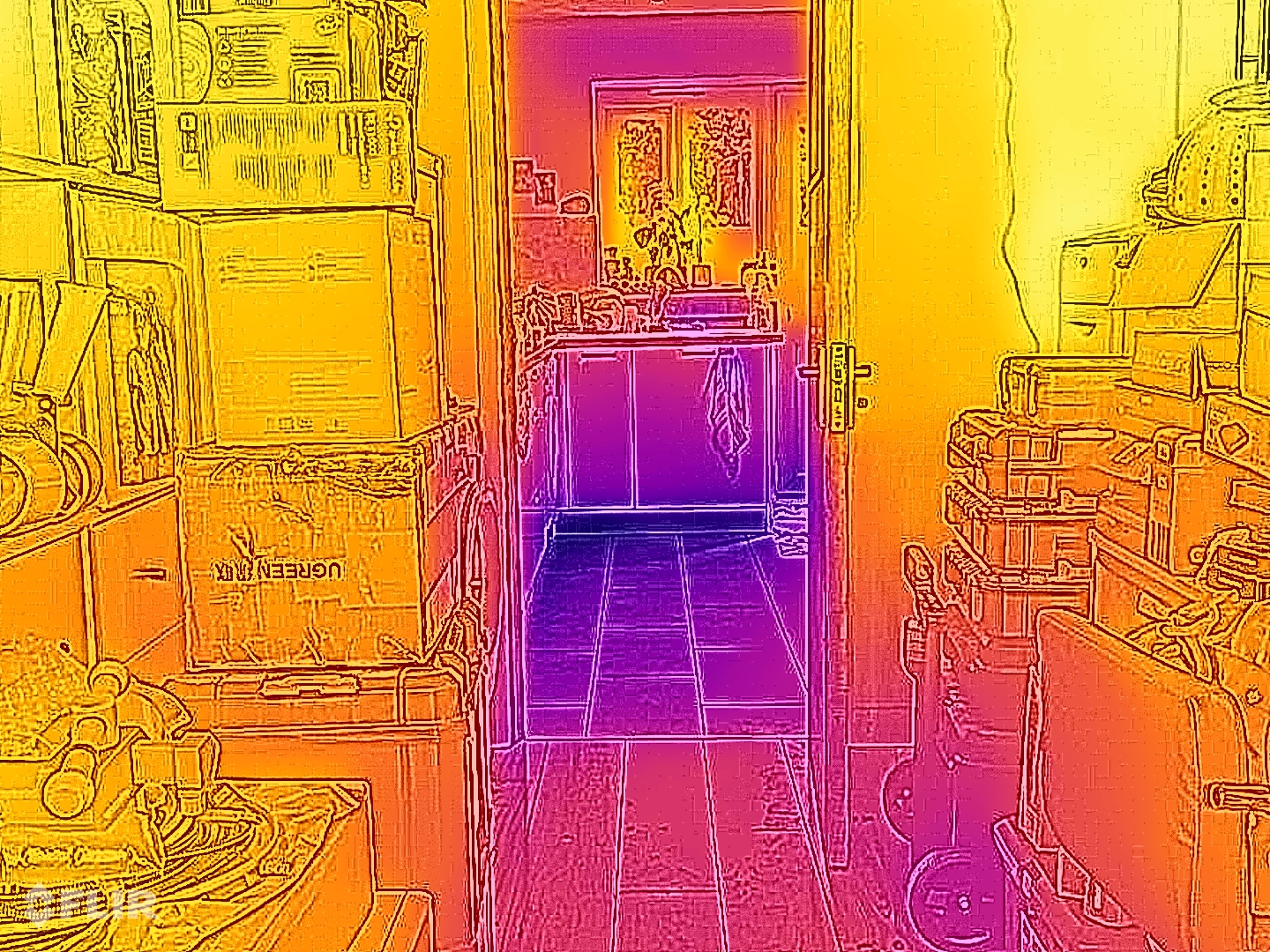
Beyond the swappable battery, the RugOne Xever 7 Pro includes a FLIR thermal camera, which is a valuable tool for professionals working with heating, electrical systems, or vehicles.
The phone’s main weaknesses are its SoC and GPU combination, which falls short compared to many premium phones, and its relatively high cost. These factors might prevent the RugOne Xever 7 Pro from being a top recommendation in the rugged phone category, especially when more affordable options with thermal cameras or removable batteries (like the Samsung Galaxy XCover7 Pro) are available.
RugOne Xever 7 Pro: price and availability
- Price: $723.99/£685.79/€761.99 (AliExpress)
- Availability: Currently available
- Where to buy: Directly from RugOne or various online retailers such as AliExpress.
The pricing for this device can be confusing, so careful sourcing is advised.
The RugOne website lists a price of $659.99 for US customers and €699.99 for European customers.
However, purchasing through AliExpress at the time of writing showed prices around $723.99/£685.79/€761.99, which is higher than the website’s quoted price. Opting for store.rugone.net resulted in £509.99 for the UK (with free shipping), $659.99 for the US, and €699.99 for the EU.
Considering current exchange rates, UK and EU customers appear to be overcharged, with the UK paying approximately 4% more and EU customers facing a significant 25% increase compared to US buyers.
The rationale behind these pricing discrepancies is unclear, but RugOne sets its own prices.
It is possible to find rugged phones with better specifications for less money. For instance, the Oukitel WP60, a similar design without thermal imaging, swappable batteries, or an OLED screen, typically sells for around $280.
Even phones with thermal imaging, such as the AMD G3 Pro, are generally more affordable than the RugOne Xever 7 Pro, positioning this device as a premium option.
The Samsung Galaxy XCover7 Pro, often compared by RugOne, offers less memory and storage but is roughly half the price. While component price increases are affecting the market, especially in Europe, the RugOne Xever 7 Pro’s price seems too high given its SoC.
RugOne Xever 7 Pro: Specs
CPU: MediaTek Dimensity 7025
GPU: IMG BXM-8-256 GPU
NPU: MediaTek NPU 550
RAM: 12GB
Storage: 512GB
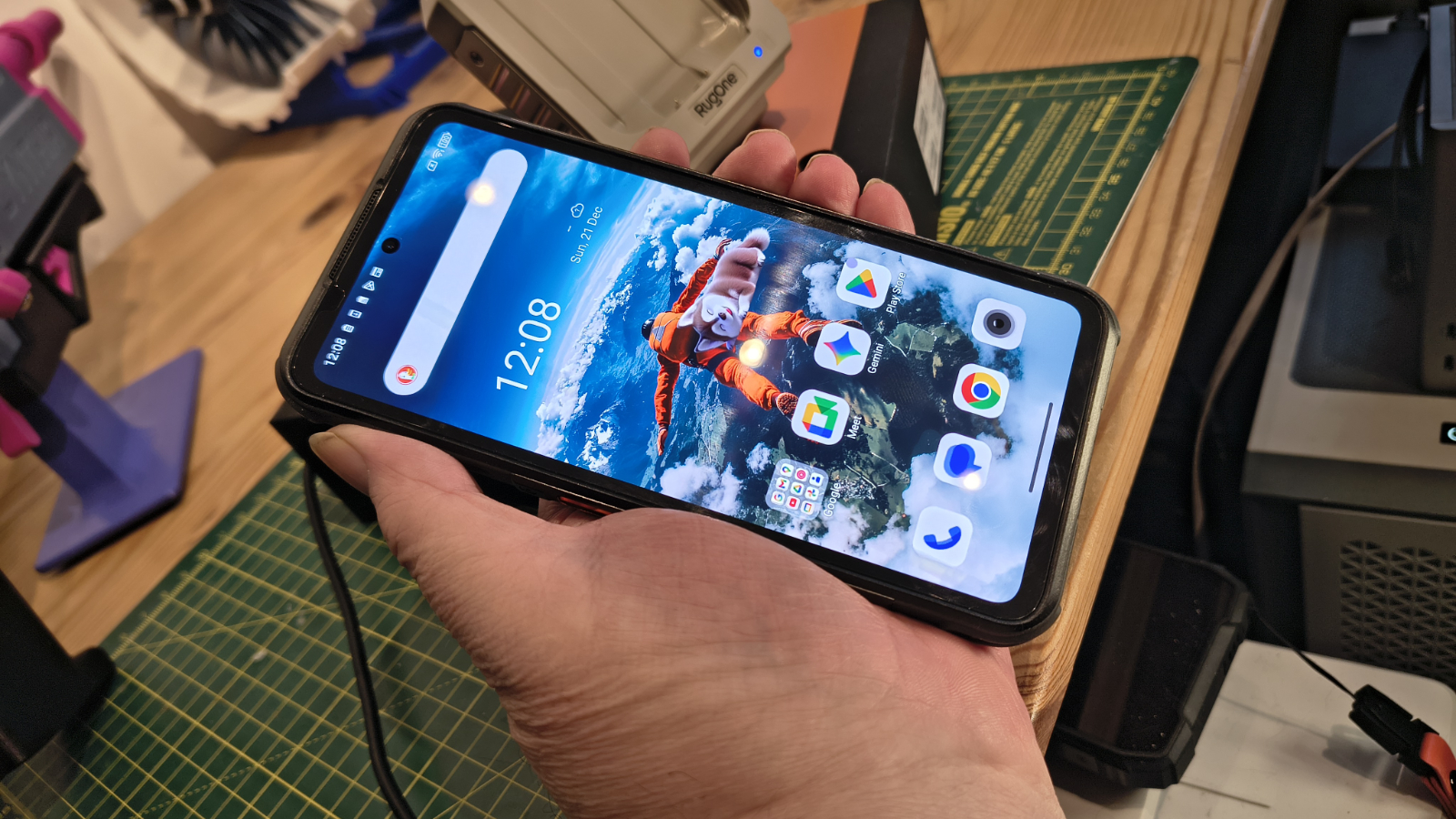
Screen: 6.67-inch OLED Screen, 1080 x 2400 FHD+, 120Hz, 2200 nits
SIM: 2x Nano SIM + TF + eSIM (all can be used)
Weight: 325 grams
Dimensions: 173.6 x 84.4 x 14.1 mm
Rugged Spec: IP68 IP69K dust/water resistant (up to 2m for 30 minutes), MIL-STD-810H Certification
Rear cameras: 50MP AI Main Camera + 64 MP Night Vision Camera + FLIR Lepton 3.5 sensor (160 x 120 resolution)
Front camera: 32MP Samsung
Networking: WiFi 6, Bluetooth 5.2
Audio: 3.5mm audio jack for headphones
OS: Android 15 (updates promised)
Battery: 5550 mAh (Max 33W wired, dock included) hot-swappable
Colours: Black
RugOne Xever 7 Pro: design
- Industrial aesthetic
- Extra custom button
- Easily swappable batteries
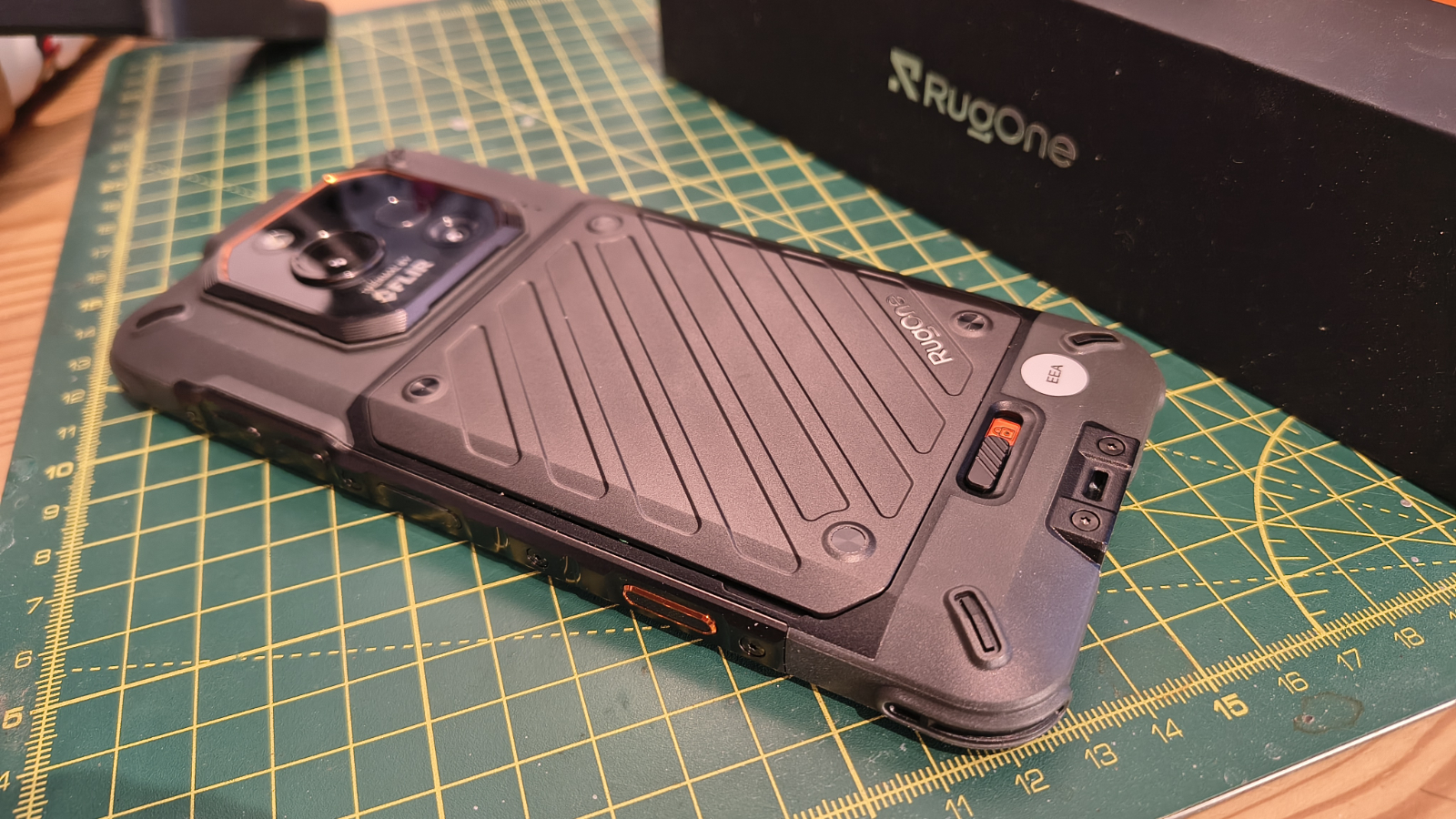
The RugOne Xever 7 Pro is designed to be substantial without becoming unwieldy. Its 6.67-inch OLED display dictates its overall size, with notably narrow bezels on most sides, resulting in dimensions of 173.6mm in length and 84.4mm in width.
At just over 14mm thick, the phone maintains a relatively slim and elegant profile, weighing only 325 grams, which is only slightly heavier than a standard smartphone.
The phone features a distinct industrial aesthetic, with serrated slots machined into its alloy frame and rear surface. This design not only looks rugged but also provides a secure grip, even with wet hands.
Button placement is mostly standard, with the power button (which doubles as a fingerprint reader) and volume controls on the right. The SIM tray and a user-definable button are on the left. Additionally, RugOne included a second custom button on the right, conveniently positioned for quick photo capture.
A notable advantage is the extended SIM tray, which accommodates dual Nano SIMs and a MicroSD card simultaneously, without requiring users to choose between them.
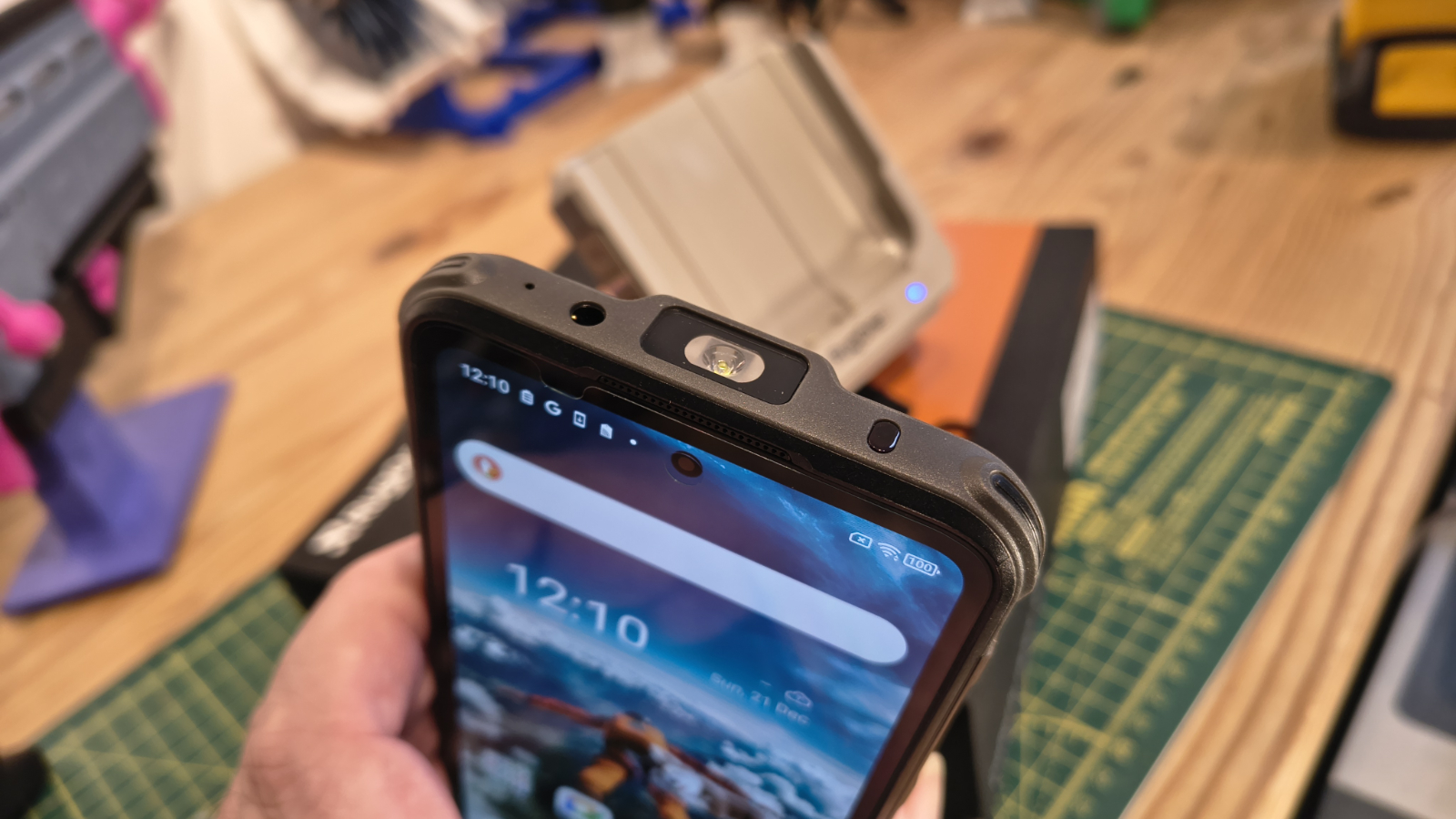
The top edge features a small camping light and a 3.5mm audio jack, a welcome inclusion for many users who prefer wired headphones.
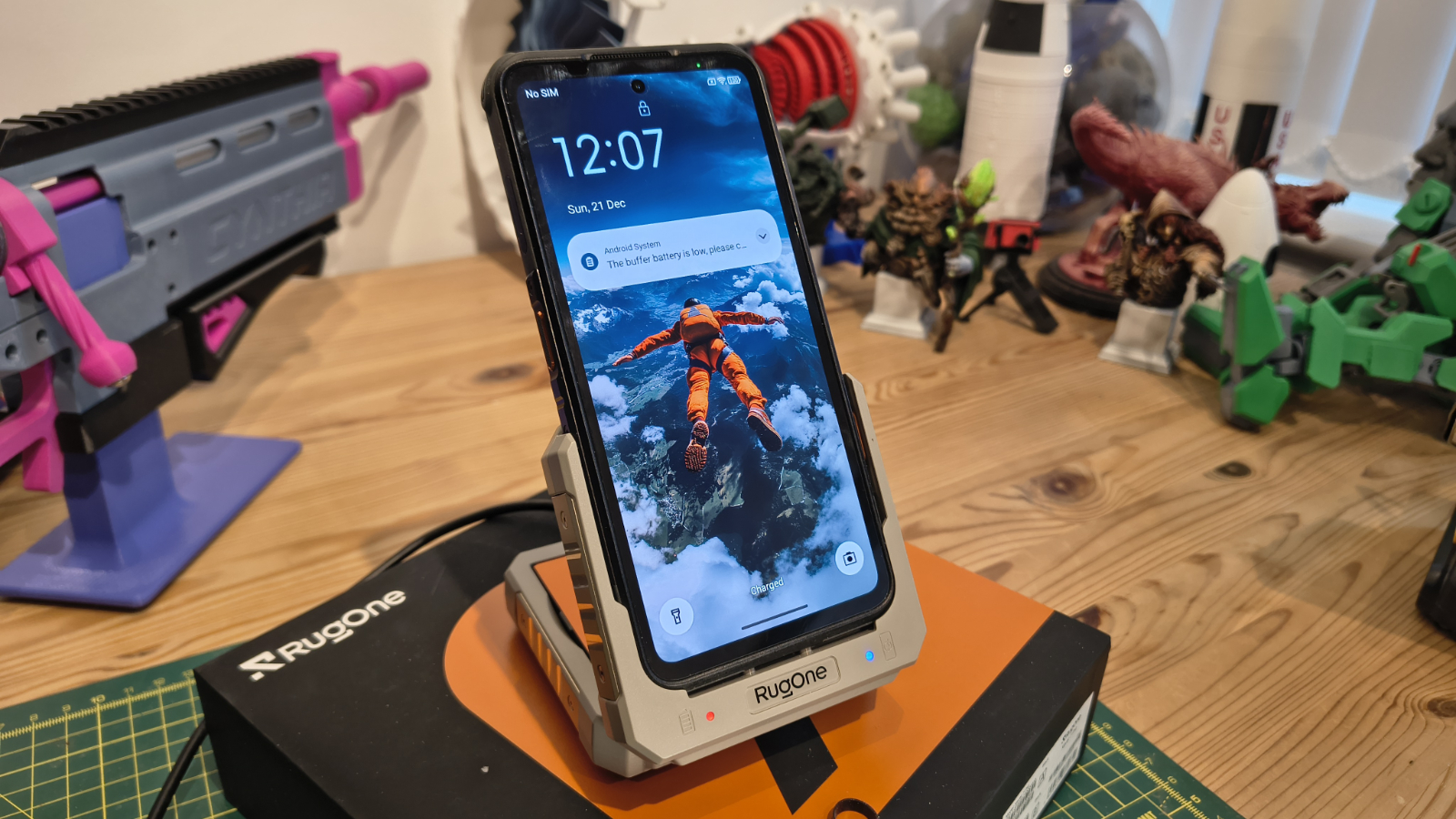
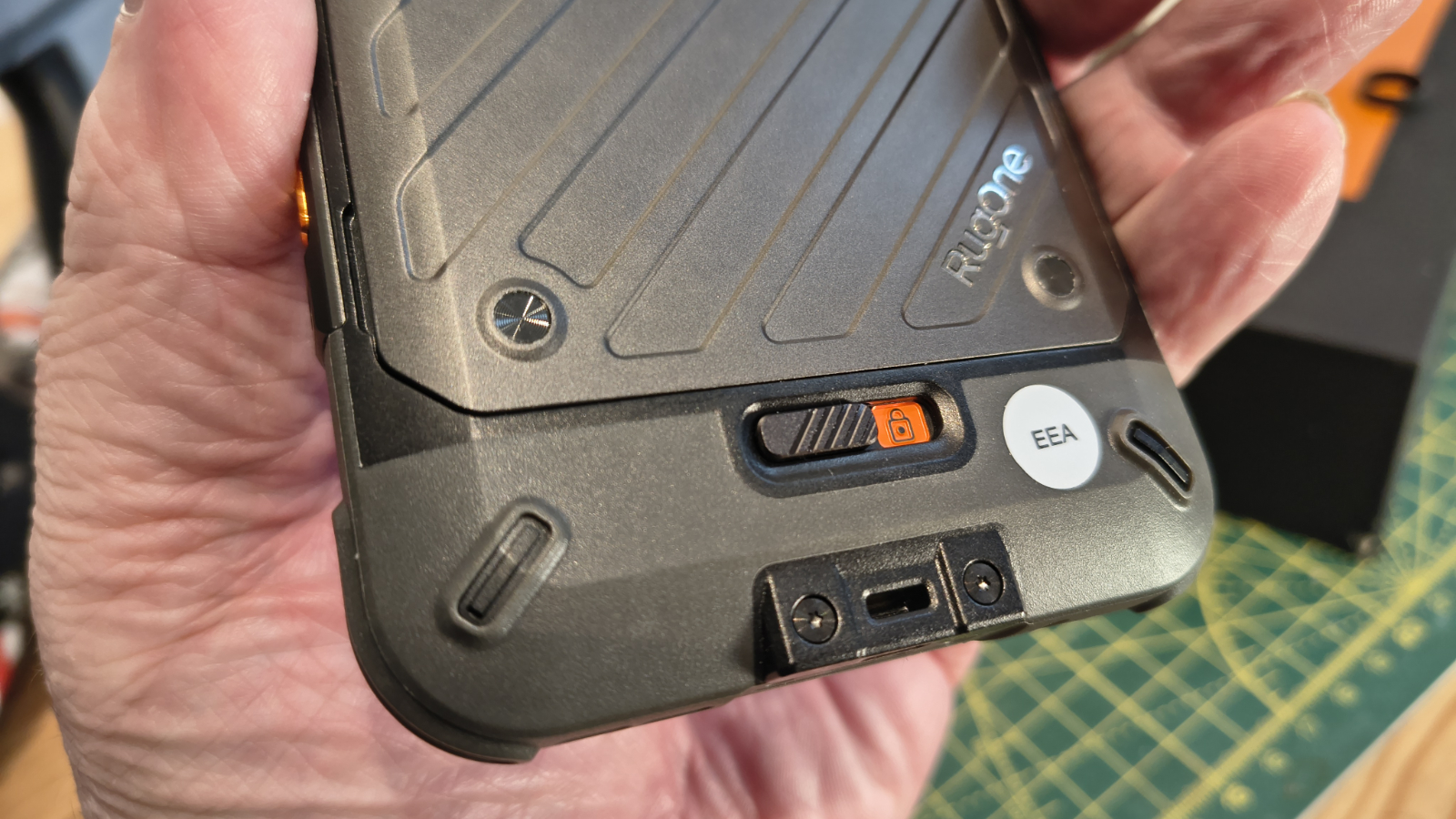
However, the most distinctive feature is the swappable battery, located under a lockable panel on the lower back. RugOne includes a charging stand that not only charges the phone but also stores and charges a second battery.
A capacitor inside the phone allows for battery swaps without powering down the device for up to 180 seconds, though users should perform the swap without interruption. This system effectively doubles the phone’s battery capacity from 5550 mAh to 11100 mAh. It is hoped that RugOne will eventually offer additional batteries for purchase to further extend operational life.
This design allows the phone to offer the battery life of a much heavier device, without requiring users to carry the extra weight constantly.
From a design standpoint, the RugOne Xever 7 Pro presents an impressive concept, successfully integrating its key features, especially the swappable battery, in a practical and thoughtful manner.
RugOne Xever 7 Pro: hardware
- MediaTek Dimensity 7025
- Disappointing GPU
- Plenty of RAM and storage
- Flexible batteries
The MediaTek Dimensity 7025 processor, also found in phones like the Oukitel WP60, is essentially a variation of the Dimensity 7020, which itself is a rebrand of the older Dimensity 930. This chipset dates back to 2022 and uses a 6nm manufacturing process, rather than the more modern 4nm process seen in newer MediaTek Dimensity chips.
While the CPU aspect of the Dimensity 7025 appears reasonably efficient, the IMG BXM-8-256 GPU, integrated into this SoC, seems particularly outdated.
The limitations of this GPU will be discussed further in the performance section, but these PowerVR IMG designs generally do not offer the same feature set as contemporary ARM Mali or other mobile GPUs. Interestingly, the SoC does include a MediaTek NPU 550 for AI functions, though its extent of utilization for on-device AI versus cloud-based processing is unclear.
The phone excels in memory and storage, offering a generous 12GB of RAM and 512GB of internal storage. RugOne commendably avoids exaggerating RAM capacity by claiming virtual memory from storage. For most users, 12GB of RAM is more than adequate, and the 512GB of primary storage can be expanded by an additional 2TB using a MicroSD card.
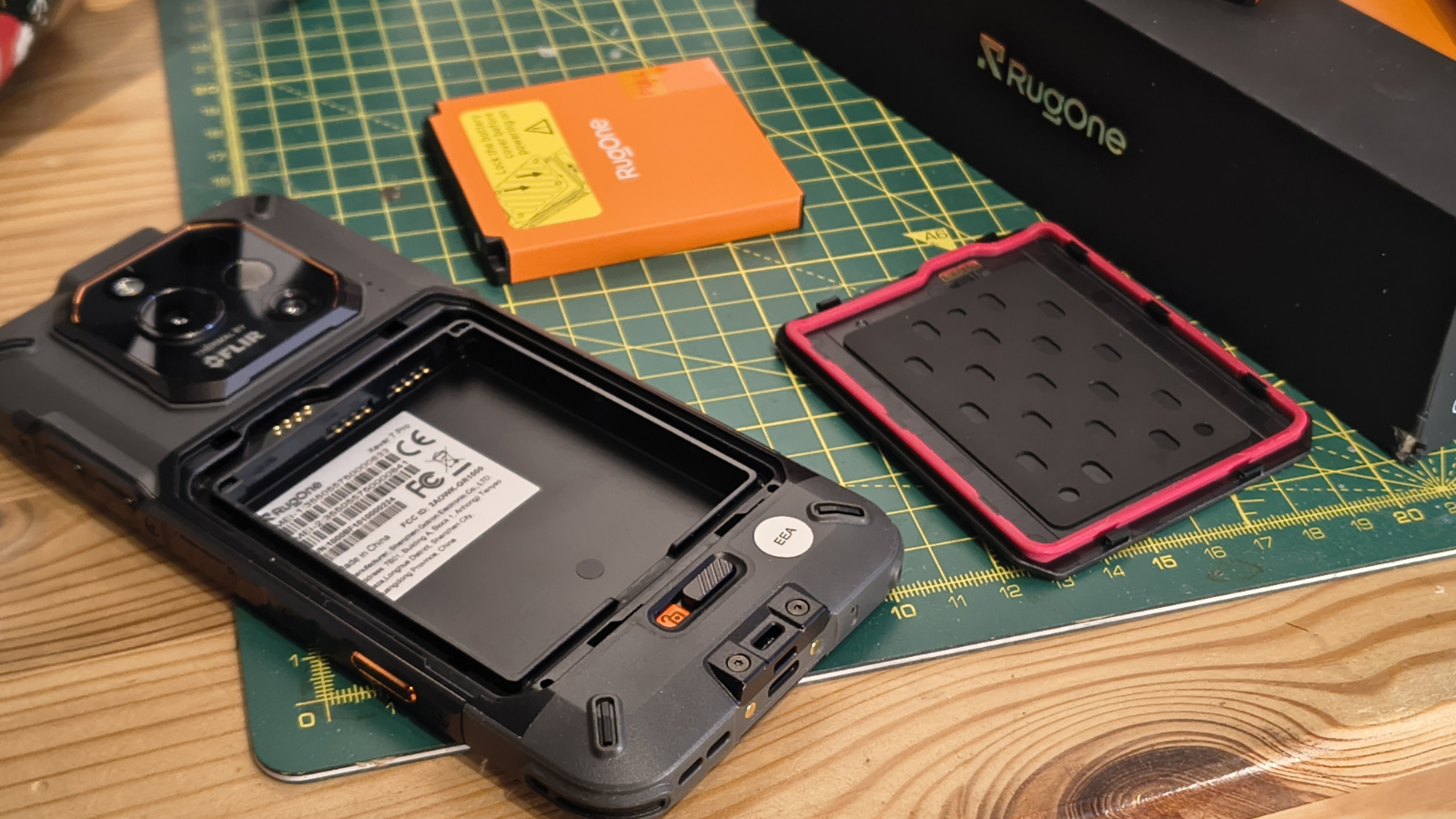
Regarding the swappable battery, RugOne plans to release custom covers for it. The battery supports 33W fast charging, allowing for a full recharge in under an hour. It can also reverse-charge other devices. With a quoted lifecycle of 1000 charges, and two batteries included by default, users can expect at least six years of operational life, assuming no additional batteries are purchased.
The phone connects to its included charging dock via pogo pins, which could be a point of failure, though direct USB charging is also an option, allowing batteries to be charged separately in the dock and then swapped.
For a premium phone, the Dimensity 7025 was arguably not the ideal SoC choice; a slightly more powerful option, such as the Dimensity 7300, might have been more appropriate.
RugOne Xever 7 Pro: cameras
- 50MP, 64MP, and Thermal sensors on the rear
- 32MP on the front
- Four cameras in total
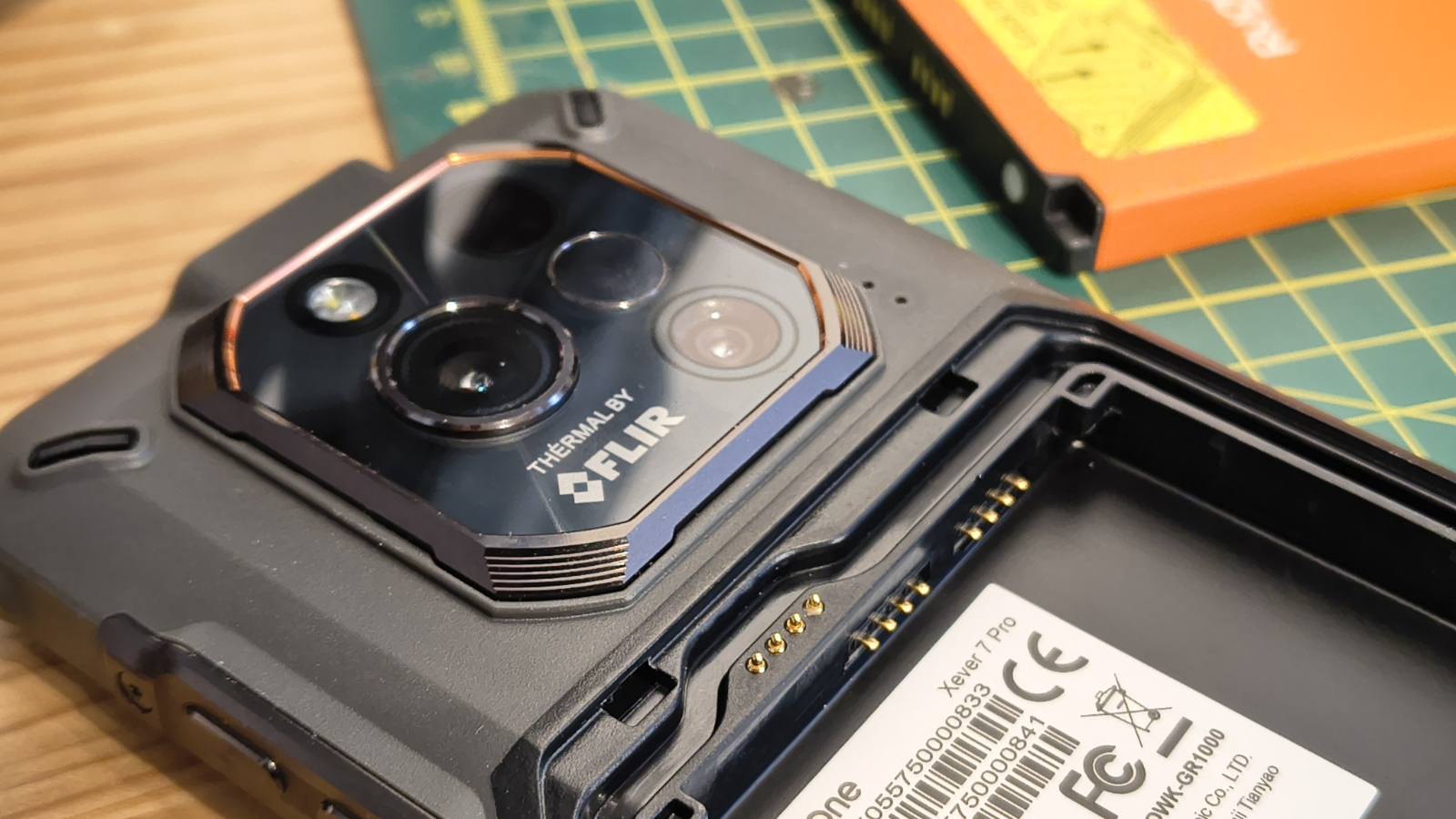
The RugOne Xever 7 Pro features a total of four cameras:
Rear camera: 50MP Samsung GN9 primary camera, 64 MP Omnivision OV64B Night Vision, Thermal by FLIR Lepton 3.5
Front camera: 32MP Samsung GC32E1
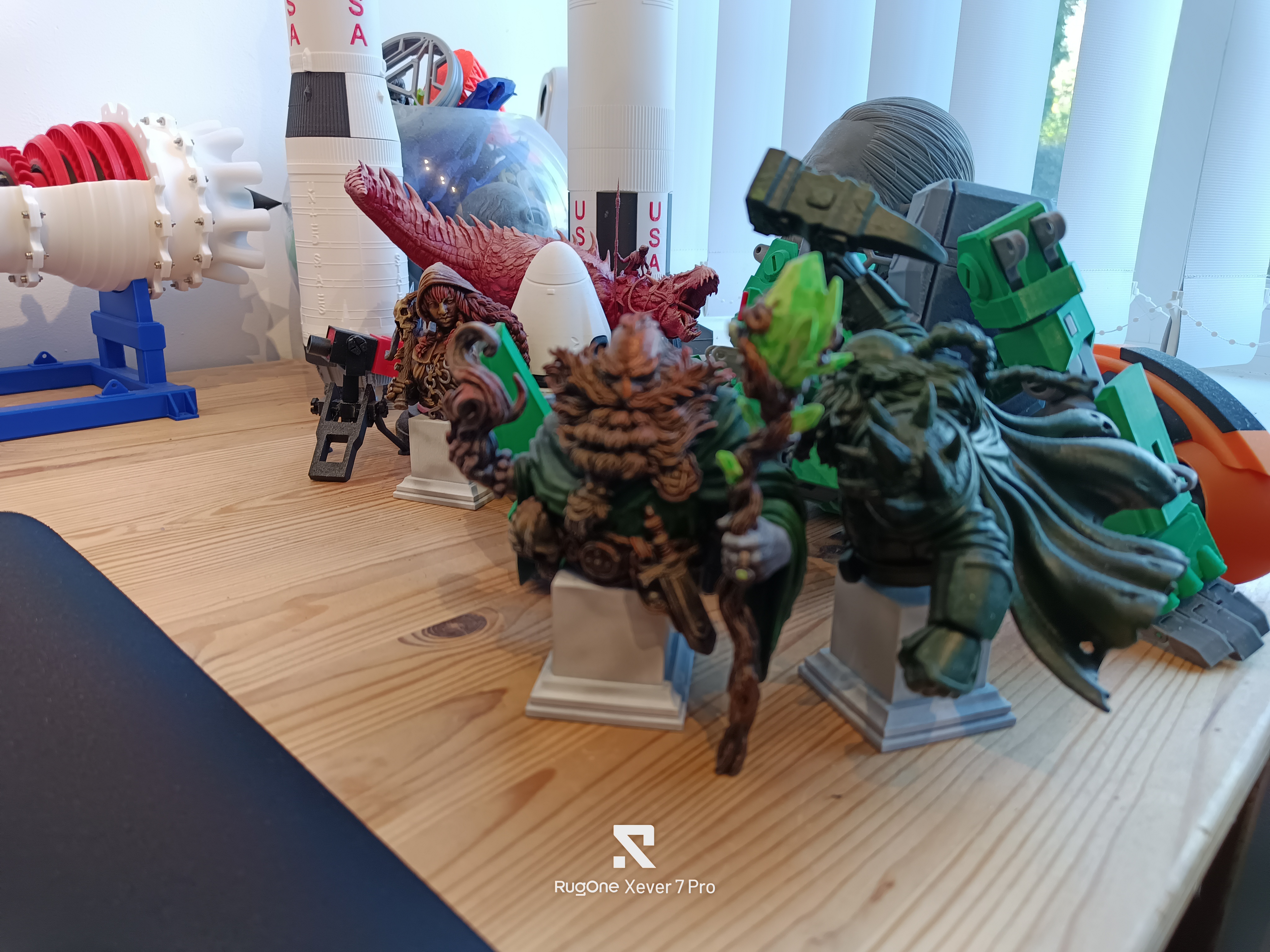
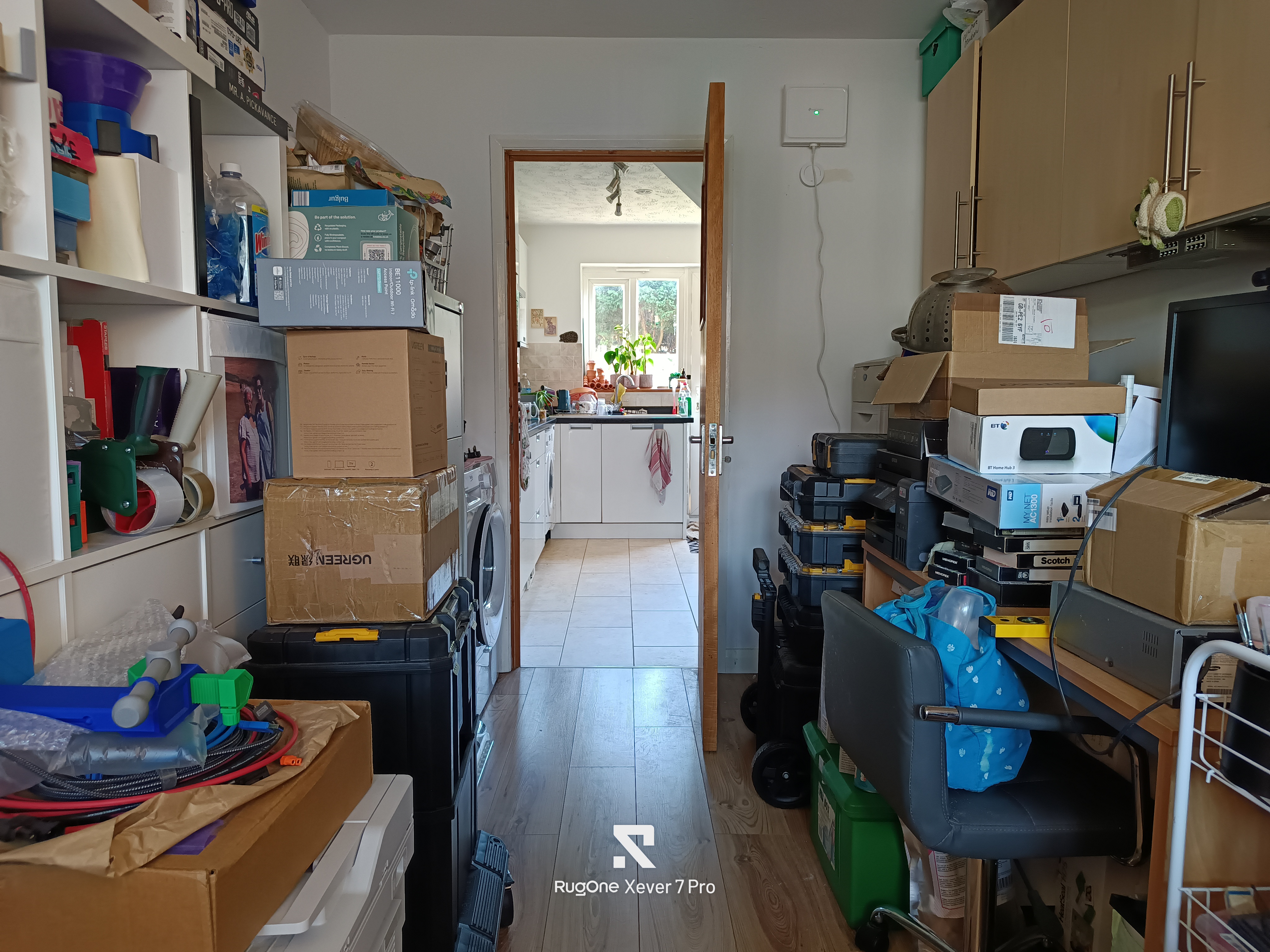
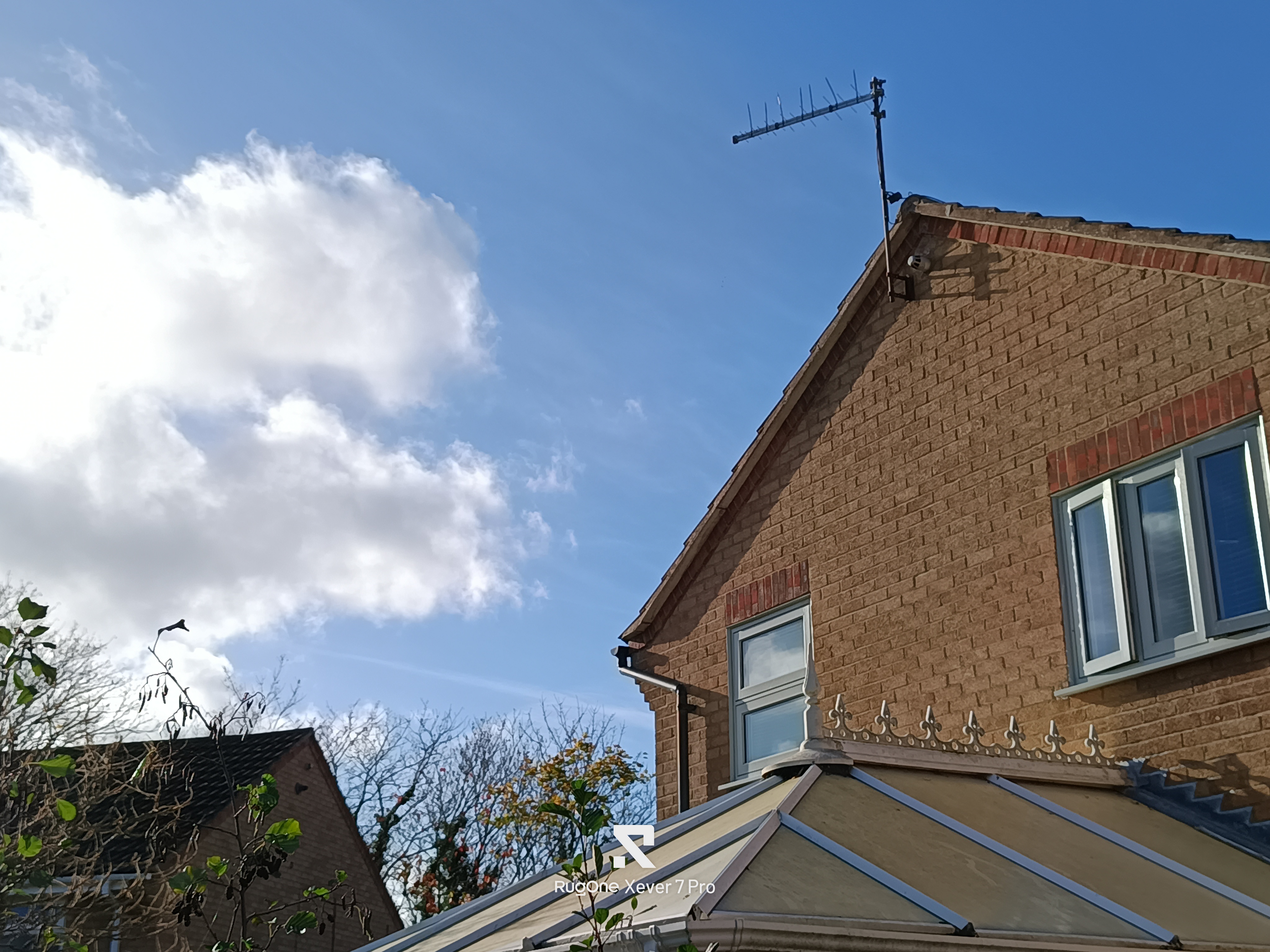
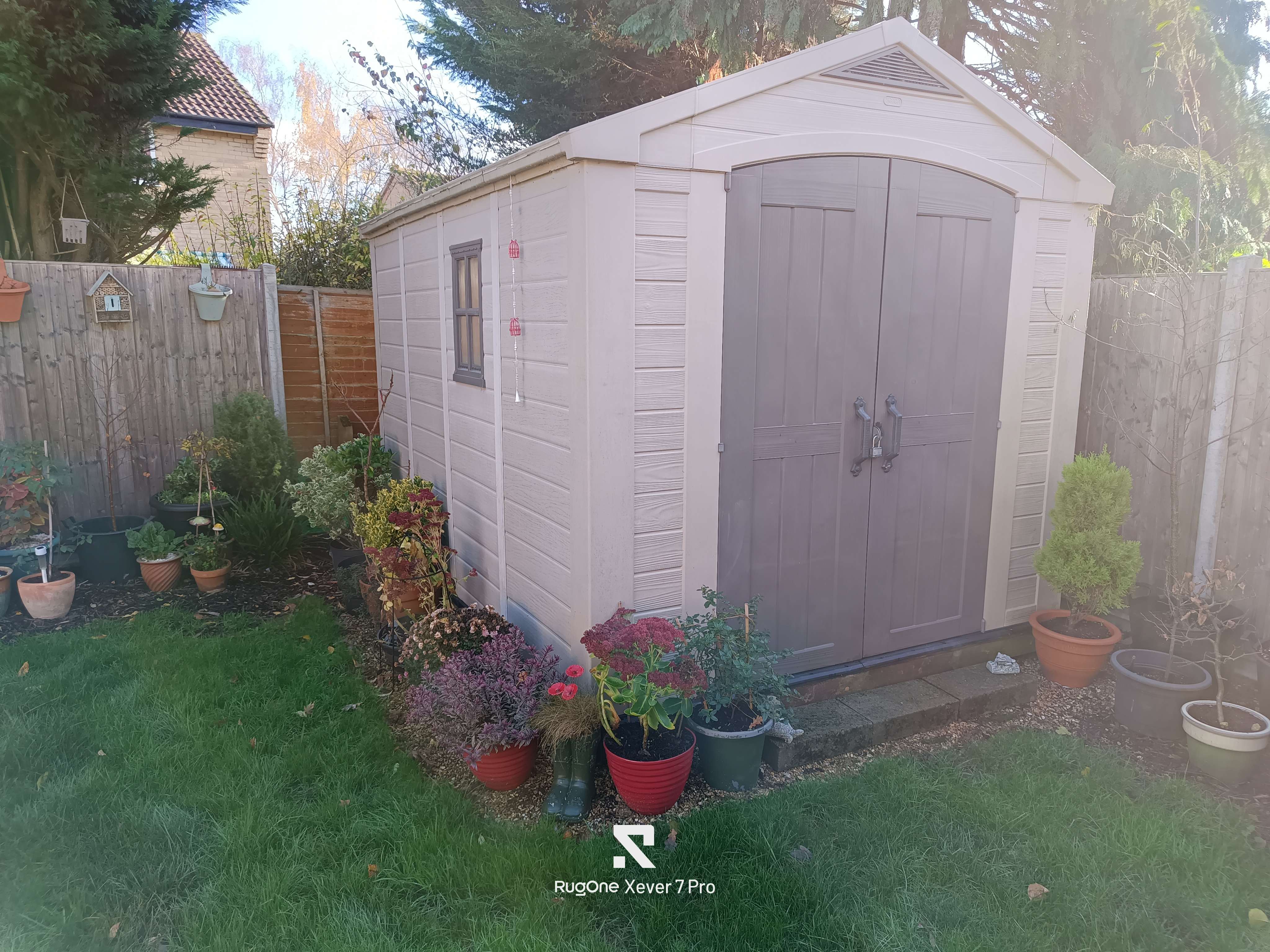
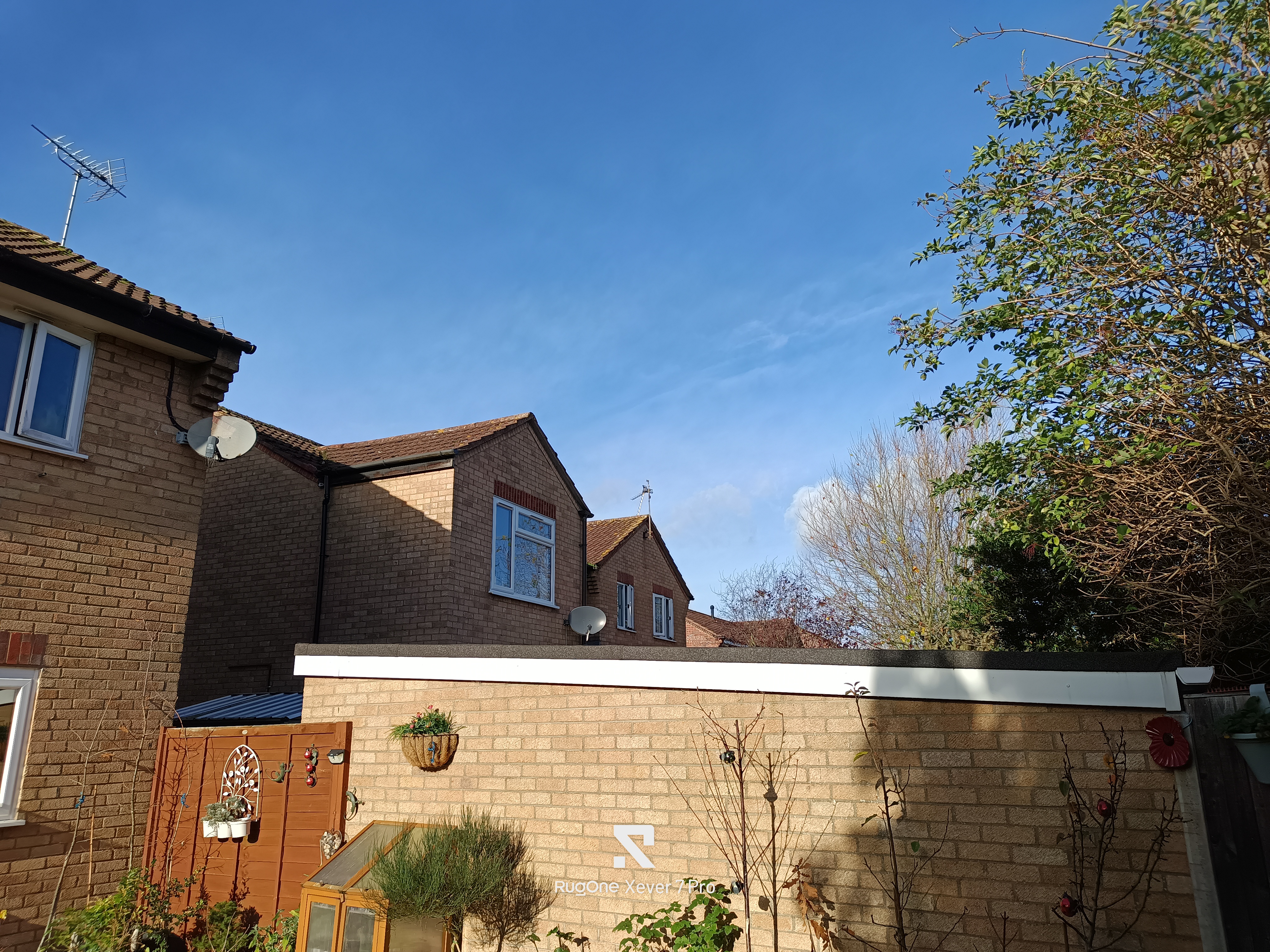
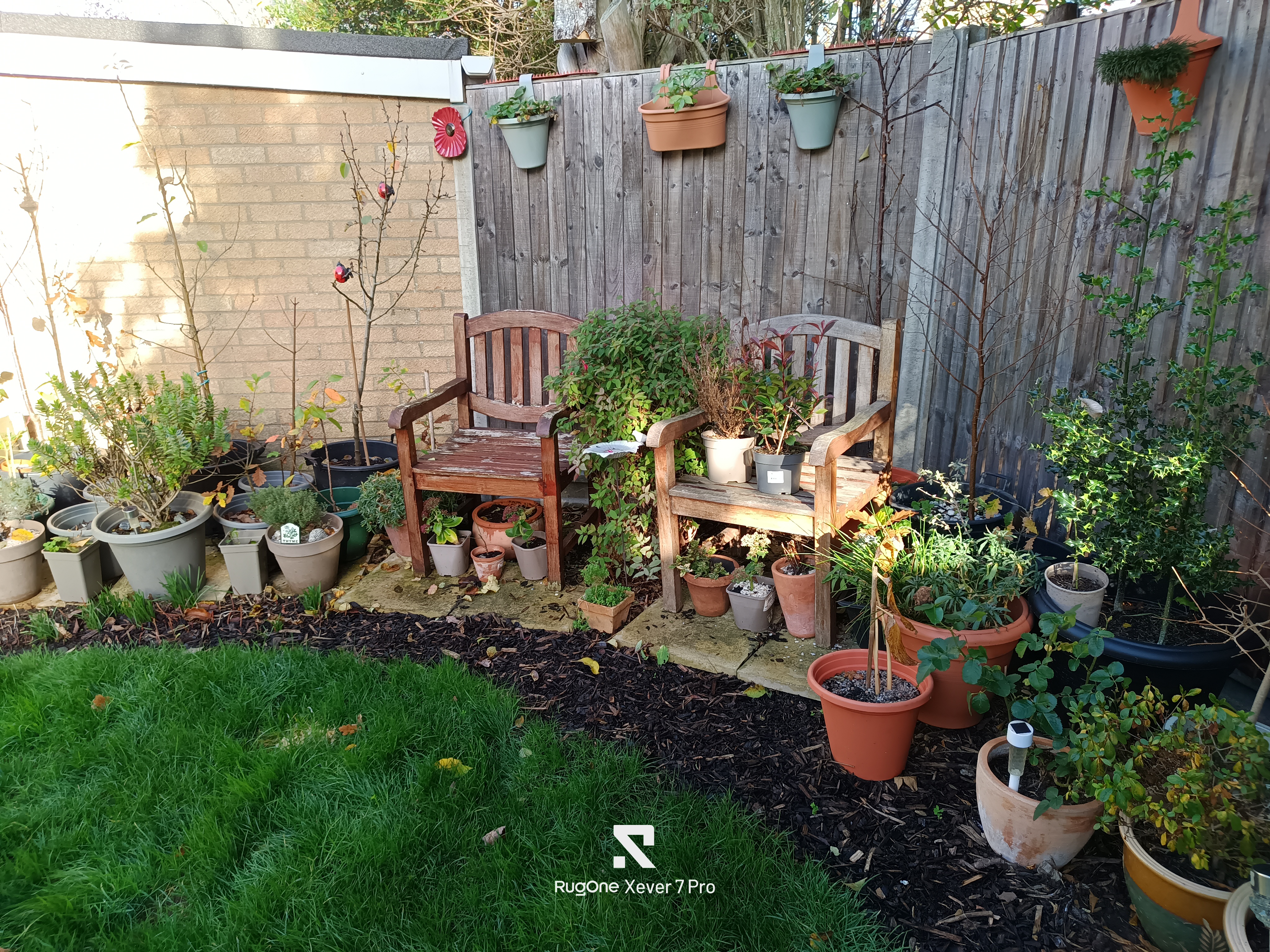
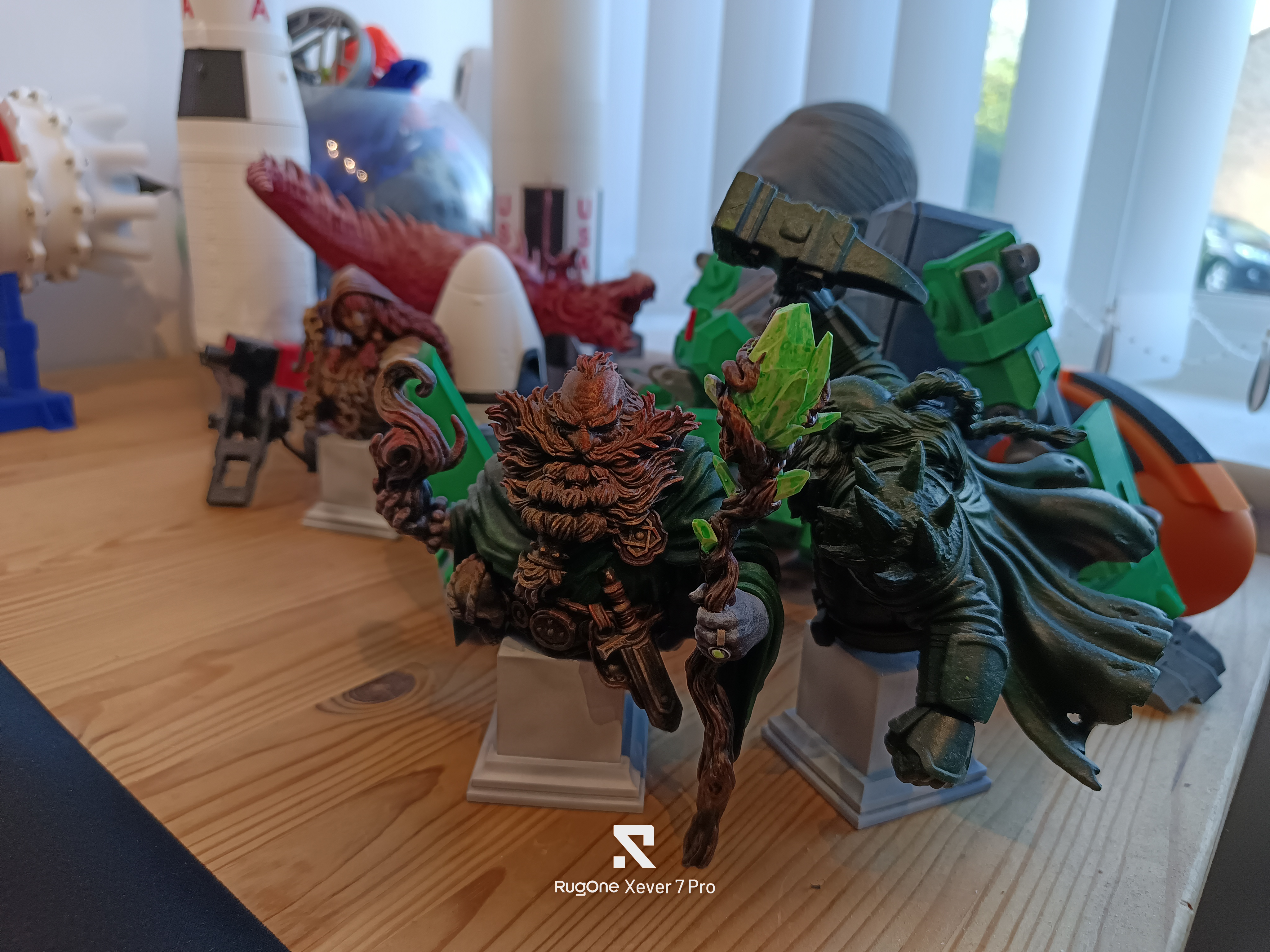
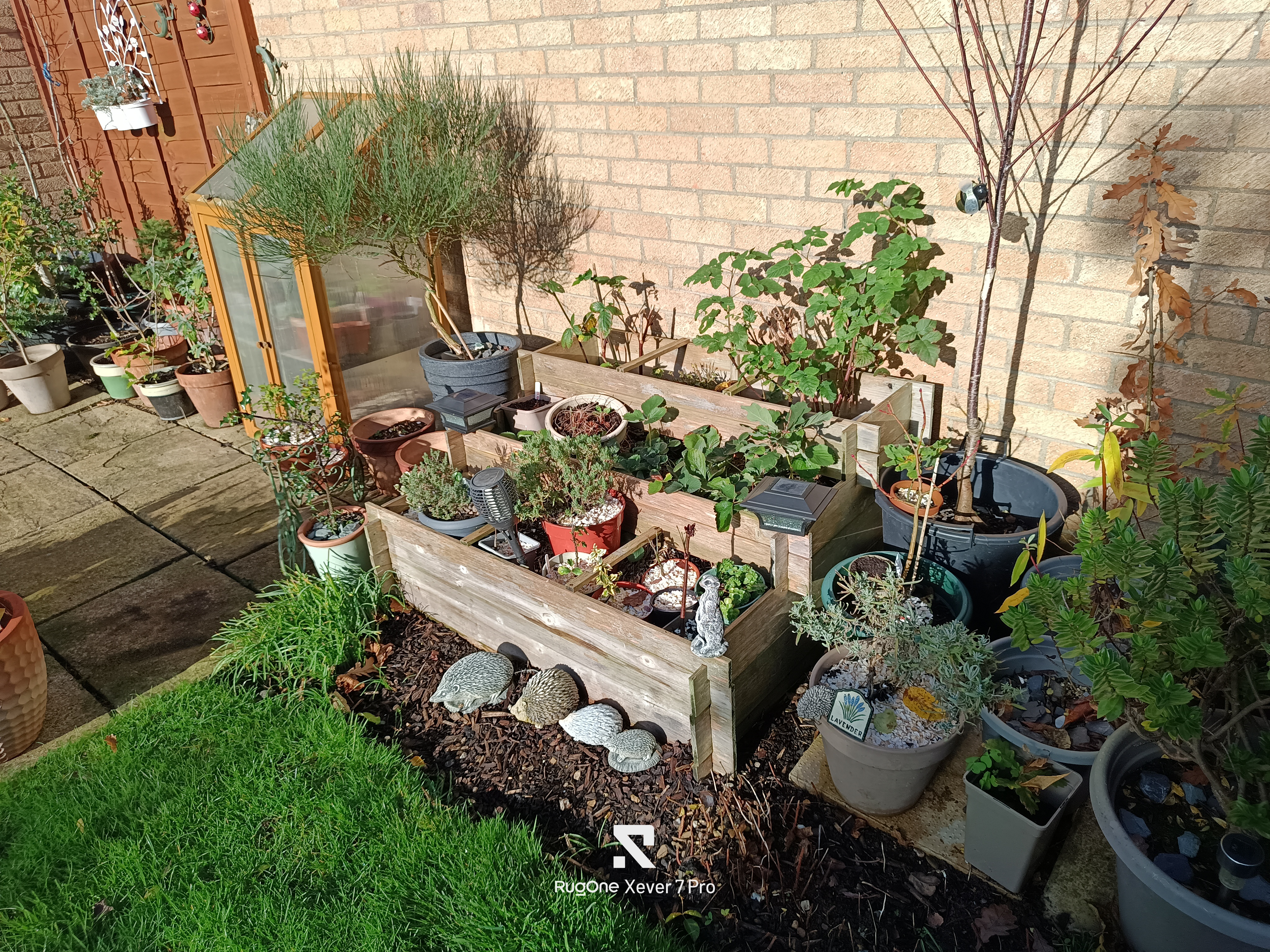
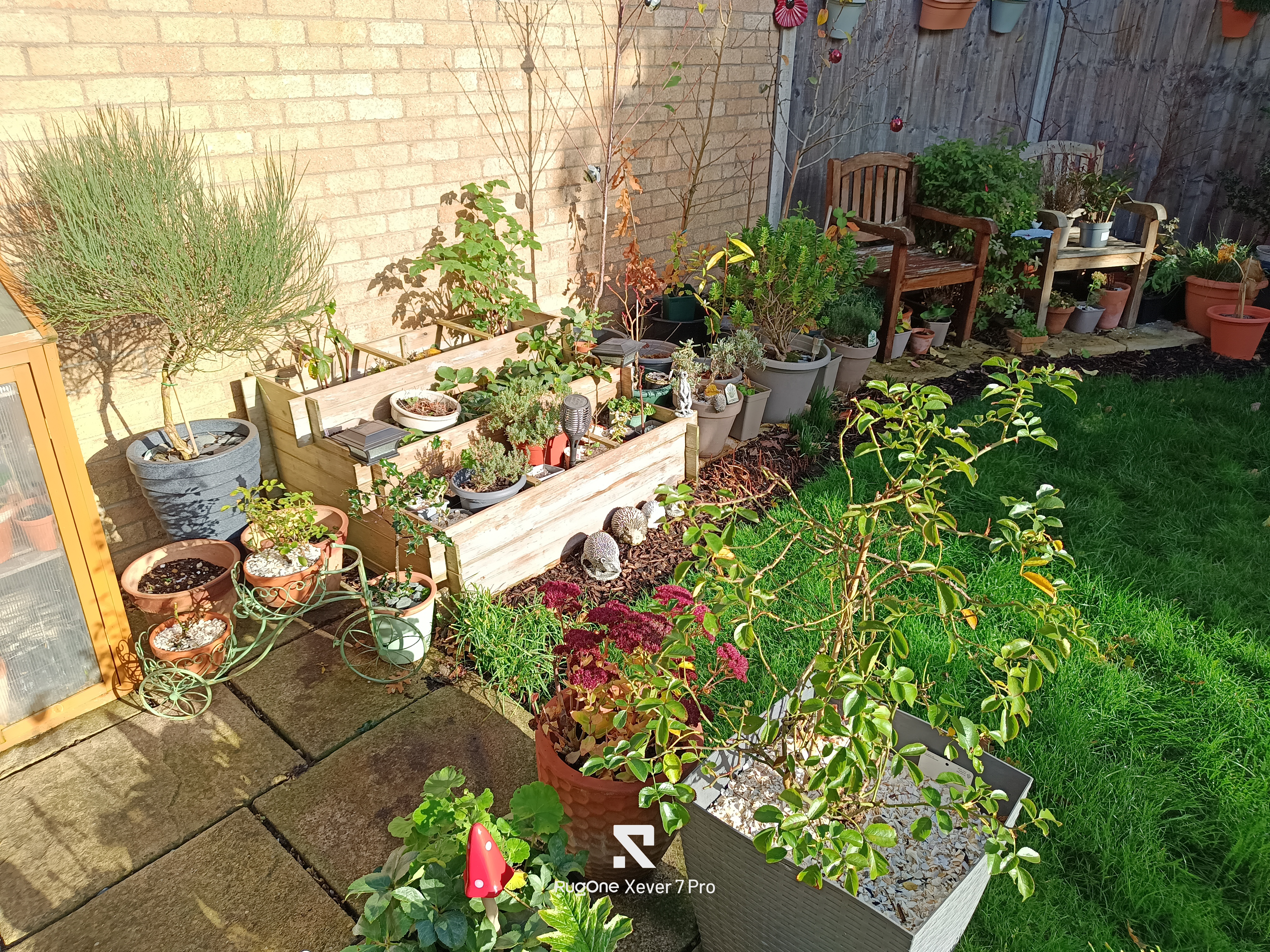


The main sensor, a 50MP Samsung GN9, is capable of producing detailed images and can utilize pixel binning for enhanced colors and HDR. Under good lighting conditions, the results can be impressive, though the autofocus system occasionally struggles to target the correct object.
A notable omission is optical zoom, and the digital zoom transitions can feel abrupt. The rear camera setup also lacks dedicated wide or telephoto sensors, relying on a somewhat basic macro sensor and a depth sensor.
Consequently, the primary sensor handles most photographic tasks. On a positive note, the camera application is comprehensive, offering a full PRO mode for manual controls, along with options for timelapse, slow-motion, night views, and panoramas.
One feature to approach with caution is the user-defined button’s underwater mode. While the phone is rated for temporary submersion up to 1.5 meters, controlling it effectively in water, especially in dynamic environments like the ocean or a pool, could be challenging.
Under optimal conditions, the images captured are decent, though they may not be extraordinary. However, considering the device’s price point, the main sensor is a practical choice that often outperforms other phones using 50MP sensors.
The 32MP Samsung sensor for the front camera might seem overly high-resolution, especially since it only records video at 1080p. Despite this, it captures good-quality images for selfies.
It is important to note that this phone only supports Widevine L3 video encryption, not L1. This means that streaming from major services like Netflix or Disney+ will be limited to 480p resolution, even with a fast 5G connection.
In summary, the cameras generally perform better than expected, but they lack the optical focus and stabilization features commonly found in premium smartphones today.
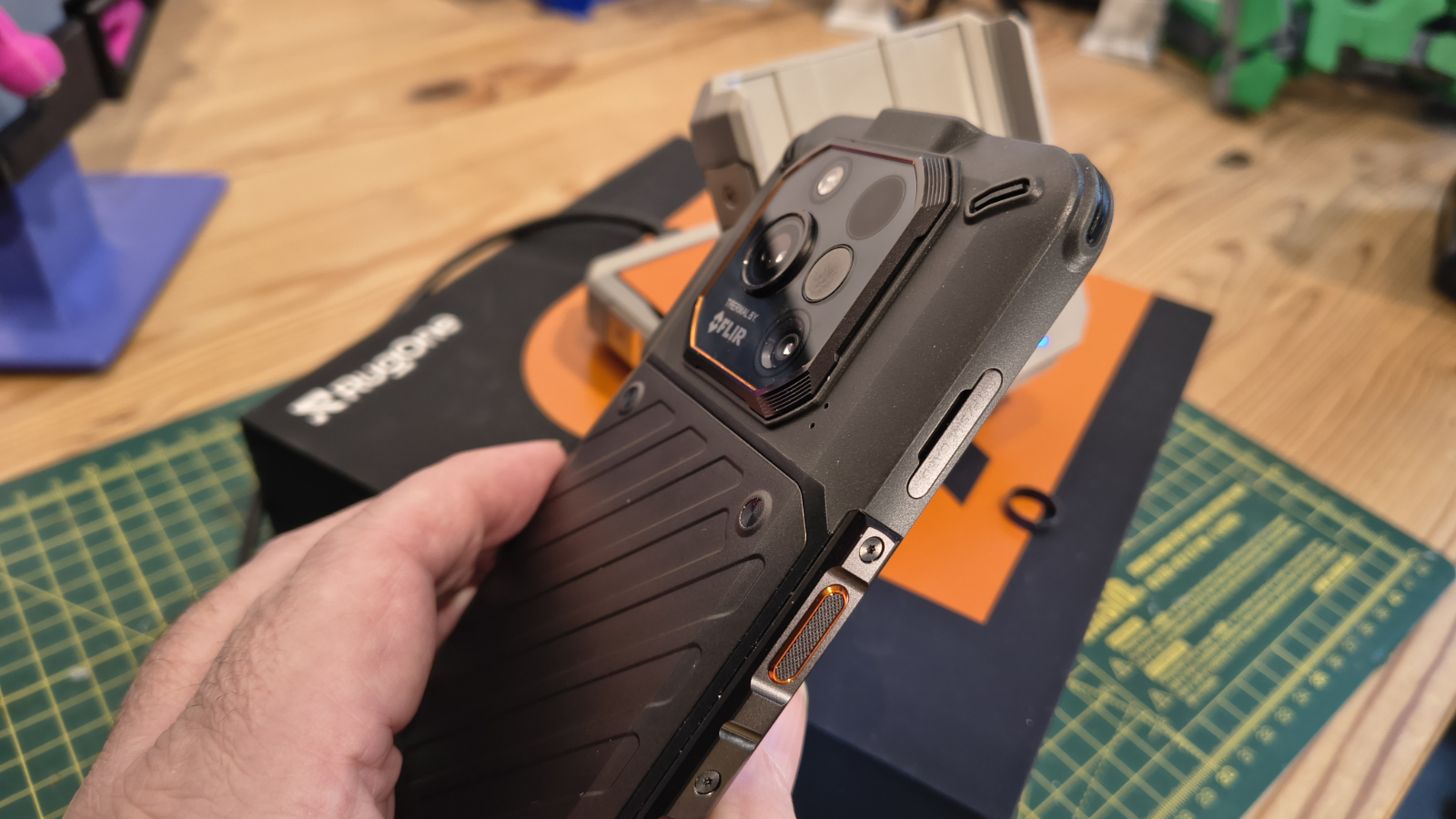
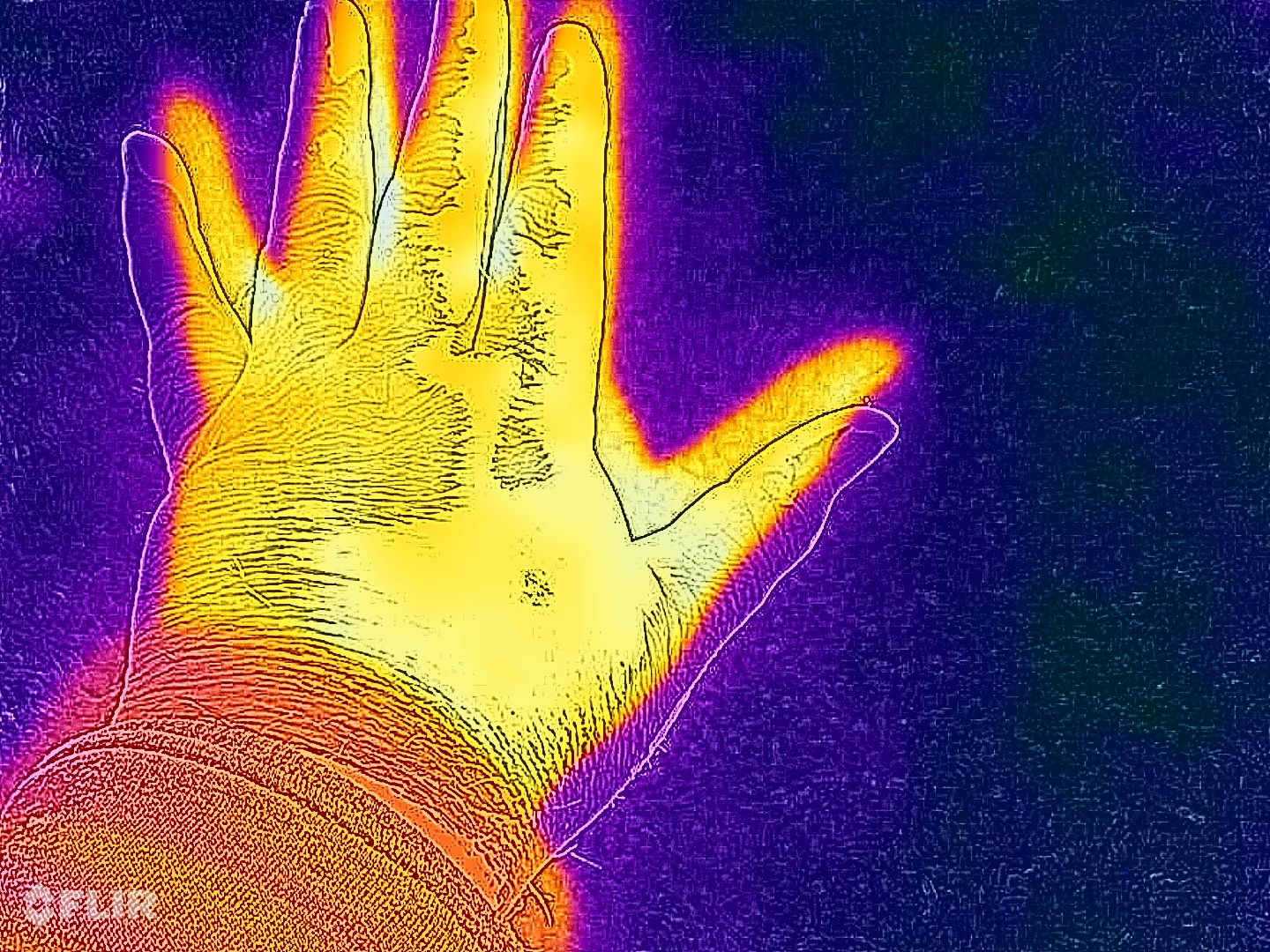
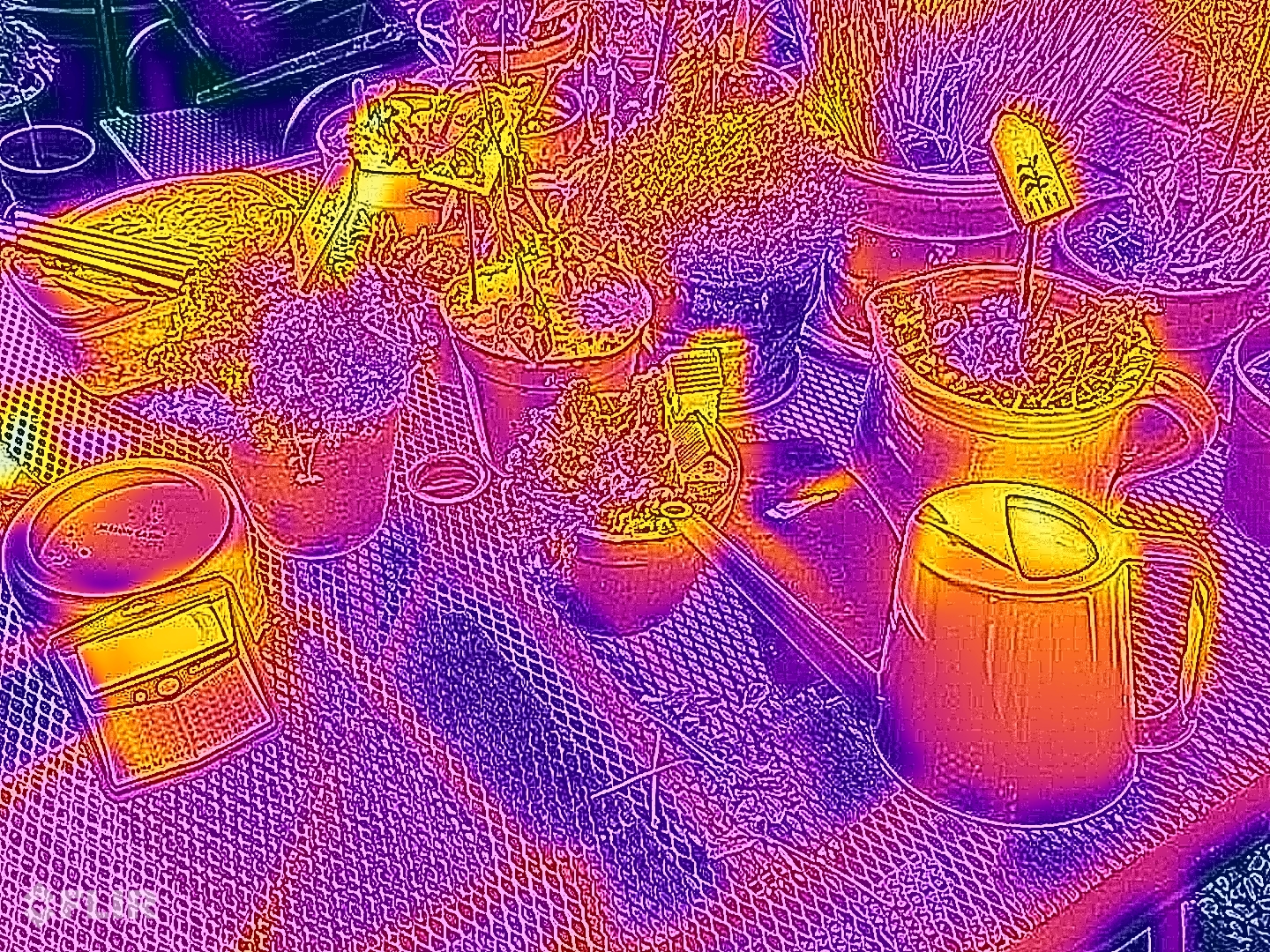
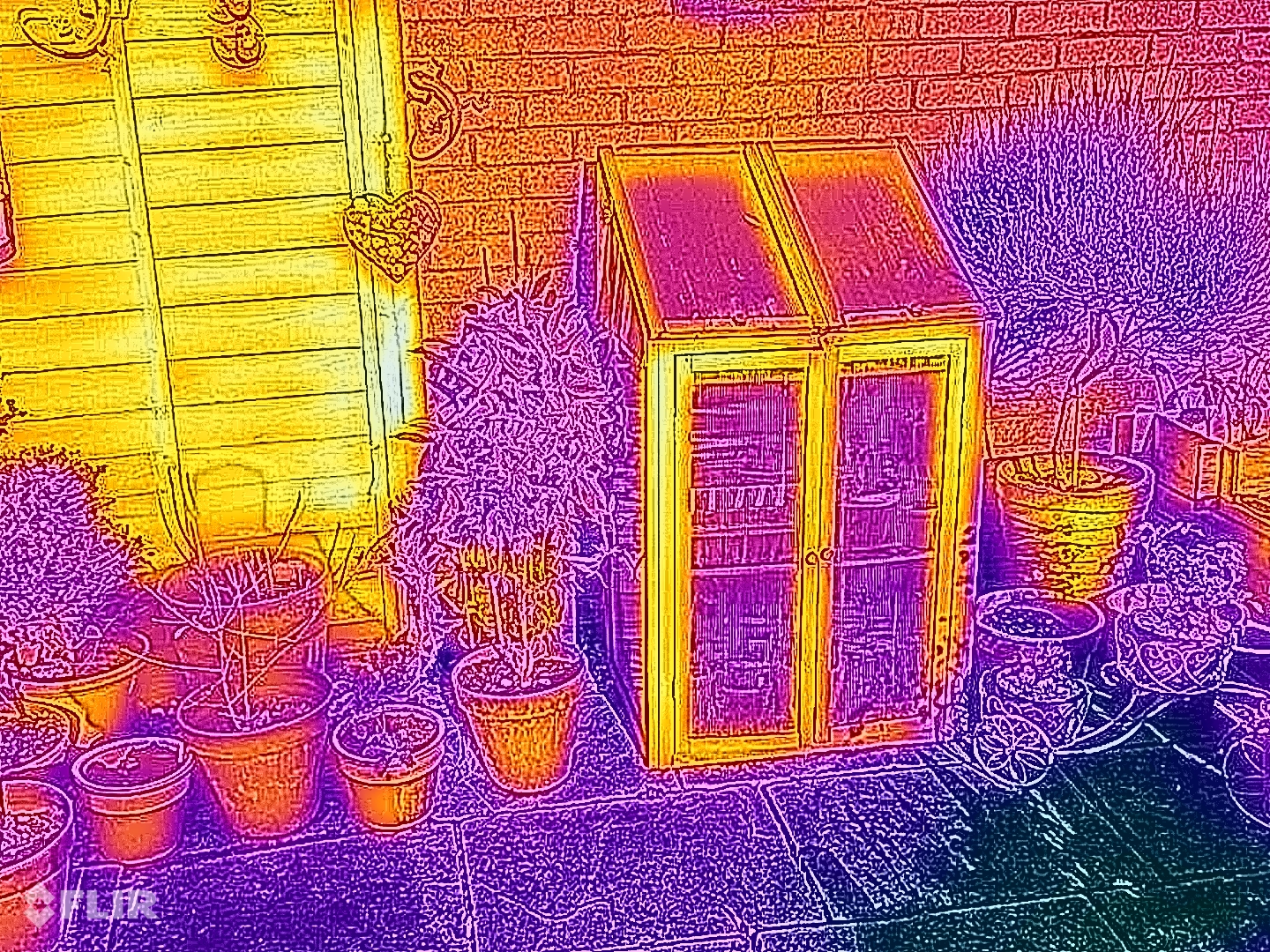

RugOne Xever 7 Pro Camera samples




RugOne Xever 7 Pro: performance
- Older SoC technology
- GPU issues with OpenGL and Vulkan
- Battery conundrum
The choice of SoC for this phone appears to be a misstep. Comparing it to the AGM G3 Pro, which uses a more modern chip design, highlights the differences.
Initially, the CPU performance gap between the Dimensity 7025 and 7300 seems minor. However, when graphics are involved, the IMG BXM-8-256 GPU in the Xever 7 Pro is significantly outmatched by the Mali-G615 MC3 GPU in the AGM G3 Pro across all tests.
Beyond being slower, the IMG BXM-8-256 has notable limitations in its Vulkan and OpenGL implementations. This resulted in partial failures in GeekBench tests and an inability to run 3DMark’s Wildlife or Nomad Lite benchmarks.
For users who do not engage in gaming or AR/VR applications, these graphics limitations might not be an issue. However, for those who do, the phone’s graphics capabilities could be a significant concern.
Another interesting observation from the performance tests relates to battery life. The 5550 mAh battery, while contributing to weight savings, does not offer as much advantage as initially perceived.
With a single battery, the 17 hours and 53 minutes of runtime is respectable, likely sufficient for a typical workday. Using the second battery extends this to 35 hours and 46 minutes, which is slightly more than the AGM G3 Pro’s 34 hours and 4 minutes with its 10000 mAh battery. However, the Xever 7 Pro’s combined 11,100 mAh capacity should theoretically last about 11% longer than the G3 Pro’s, yet it only lasts less than 5% longer. Furthermore, the G3 Pro is only 50 grams heavier despite having a considerably larger single battery.
It seems the structural requirements for the swappable battery system negated much of the potential weight advantage. Additionally, the newer Dimensity 7300 in the AGM G3 Pro is more power-efficient than the 7025, contributing to better battery performance per mAh.
The RugOne Xever 7 Pro still offers the benefit of potentially indefinite operation with additional batteries. However, a more efficient SoC would have reduced the frequency of battery swaps. While battery life with this phone is good, it relies on carrying the extra battery, and the combined weight of the phone, spare battery, and charging dock can make it heavier than a phone with a single, larger, integrated battery.
RugOne Xever 7 Pro: Final verdict
It appears that the RugOne Xever 7 Pro faced a design challenge from the outset, possibly realizing that its 5550mAh battery was insufficient for the more powerful SoC it might have initially intended to use.
This is speculative, but it suggests the phone might have been designed for a Snapdragon 7 or Dimensity 8200 SoC, both of which likely consumed too much power. This could have led to the eventual selection of the Dimensity 7025, with its less impressive IMG BXM-8-256 GPU.
When considering the high-quality construction, the OLED display, the FLIR Lepton 3.5 thermal imaging, and other camera sensors, these components are all at a premium level. In contrast, the SoC feels several steps below.
While a less ambitious SoC does extend battery life, it also makes the RugOne Xever 7 Pro less suitable for power users, particularly those requiring strong graphics performance.
If the phone had incorporated a Snapdragon 7c or an equally powerful SoC, its asking price might be more justifiable. Without that level of processing power, the RugOne Xever 7 Pro appears distinctly overpriced, despite its otherwise decent specifications.
Should I buy a RugOne Xever 7 Pro?
Attributes: Value
Notes: Even with an OLED screen, swappable batteries, and a thermal camera, this phone seems expensive.
Rating: 2.5/5
Attributes: Design
Notes: A well-designed phone that is comfortable to hold and use.
Rating: 4/5
Attributes: Hardware
Notes: Features older SoC technology with a weak GPU, but the swappable batteries are a positive.
Rating: 3/5
Attributes: Camera
Notes: Includes modern Samsung sensors and FLIR thermals, but lacks 4K video recording or optical zoom.
Rating: 3/5
Attributes: Performance
Notes: The GPU is inadequate, and the SoC is not as power-efficient as it could be.
Rating: 3.5/5
Attributes: Overall
Notes: The phone’s oddly mismatched components detract from what could have been an excellent device.
Rating: 3.5/5
Buy it if…
You need an outdoor phone The RugOne Xever 7 Pro is a robust device capable of withstanding drops from 2 meters and water exposure. This makes it suitable for outdoor professions, adventure travel, or individuals prone to dropping their phone.
You carry lots of data or apps With 512GB of storage and 12GB of RAM, this phone is well-suited for users who need ample space for data and numerous applications. The TF card expansion allows for an additional 2TB of capacity.
Don’t buy it if…
You need the best photography While the phone’s sensors are not terrible, they are not exceptional. The camera app does not fully leverage the sensors’ capabilities, and video capture is limited to 2K resolution.
You use graphics-intensive applications If you engage with AR, VR, or mobile games, this phone’s design is best avoided due to its weak GPU. It handles video playback and the user interface adequately, but it lacks the raw performance required by more modern graphics engines.
Also Consider

Ulefone Armour Mini 20 Pro. This is another practical, rugged phone featuring an inbuilt camping light, night vision camera, and greater battery capacity than the RugOne Xever 7 Pro. It is also significantly more affordable, though its cameras are not as good, and its SoC is less powerful, with less memory and storage. Ulefone also offers the 20T Pro model, which includes the FLIR Lepton 3.5 sensor and is cheaper than the RugOne.
AGM G3 Pro This phone shares a very similar design with the RugOne but boasts a superior processor and lacks the swappable battery feature. While it was also noted for being excessively priced, it is still more affordable than the RugOne.
