


Munich-based nuclear energy startup Proxima Fusion has announced plans to secure approximately €2 billion for the construction of a significant fusion test facility in Germany. This project aims to be a crucial step towards achieving commercially viable fusion power.
Over half of this funding, estimated at €1.2 billion, is anticipated from the German federal government, with regional support and private investments covering the remainder.
Established in 2023, Proxima Fusion originated as a spin-out from the Max Planck Institute for Plasma Physics, uniting scientists and engineers from Europe’s existing fusion research community.
The company is focused on developing a specific type of fusion reactor called a stellarator, which employs twisted magnetic fields to contain super-hot plasma. Proxima’s leadership suggests this design may provide enhanced stability and continuous operation compared to the more common tokamak method.
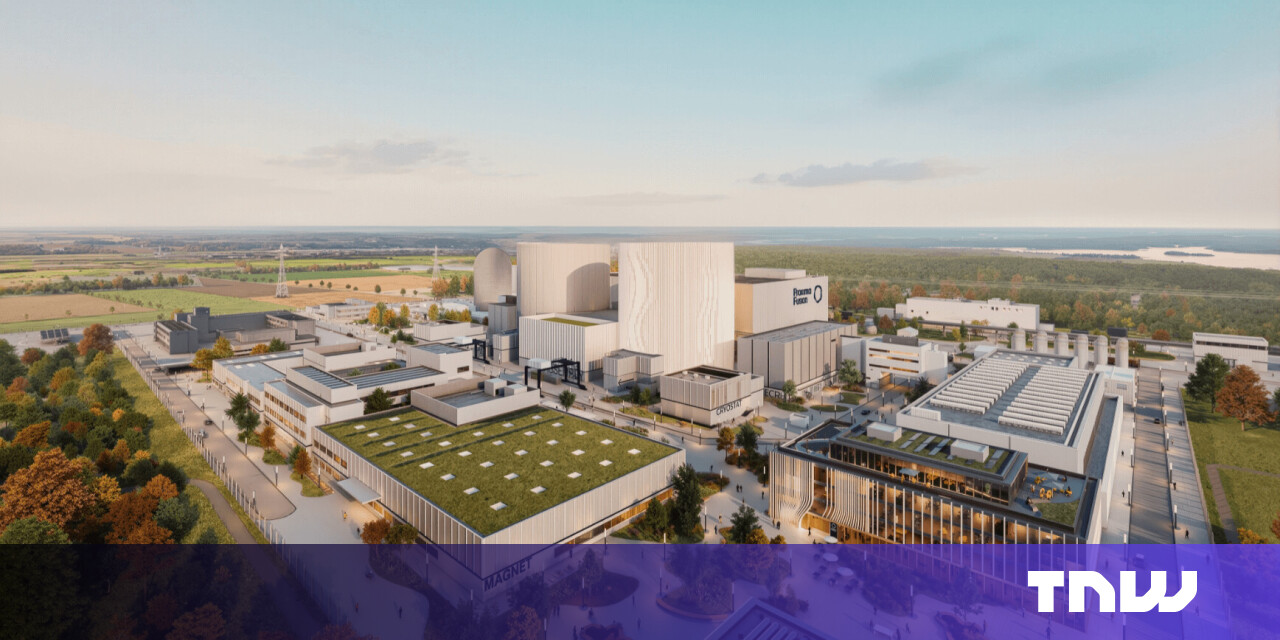
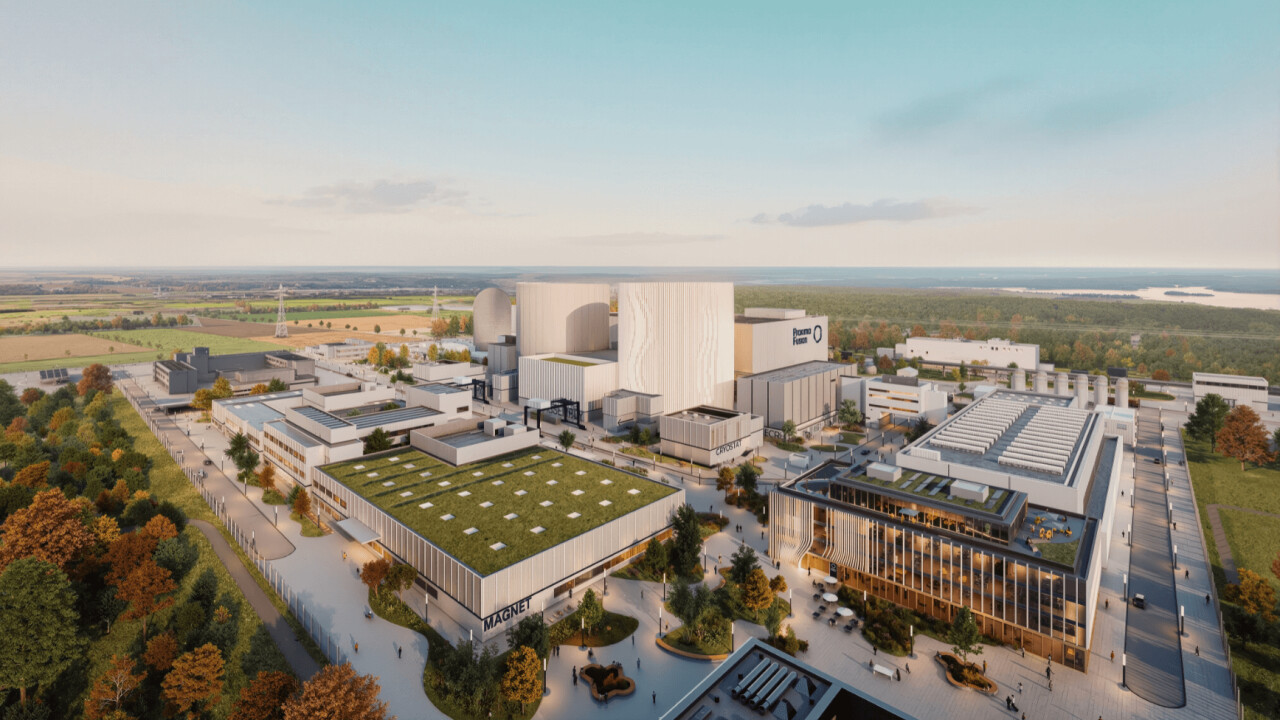
The proposed facility, tentatively named Alpha, is planned for construction near Munich. Its primary objectives are to demonstrate that a device can safely contain fusion plasma and generate more energy than it consumes, which are considered critical milestones by fusion scientists.
Achieving success at this phase, anticipated in the early 2030s if construction begins by the end of this decade, would transition fusion from a theoretical research area into a practical engineering reality.
To date, the state of Bavaria has committed €400 million to the project. Proxima Fusion intends to add at least another €400 million through private funding and investor contributions.
The remaining financial backing is expected from the federal government, aligning with Germany’s High-Tech Agenda and its broader dedication to fusion research, which already allocates over €2 billion in planned support until 2029.
Fusion energy is frequently referred to as the “holy grail” of energy production. It replicates the reactions that power the sun, promising abundant, clean, low-carbon energy with minimal long-term radioactive waste.
This objective has been pursued by engineers for decades, yet no facility has consistently produced net energy. Proxima’s strategy leverages extensive stellarator research, aiming to transform this scientific basis into a scalable engineering solution.
Proponents suggest that Europe must close the gap between research and industrial implementation to remain competitive with significant initiatives in the United States and Asia.
Critics, however, warn that fusion technology still carries risks, and obtaining multi-billion-euro funding for infrastructure that might not achieve commercial operation for years presents considerable political and economic hurdles.
Should the German government proceed with its support, Proxima Fusion’s test facility could play a pivotal role in Europe’s broader initiative to integrate fusion energy into the power grid, thereby decreasing reliance on fossil fuels and imported energy.
