

TechRadar Verdict
The Noise Luna Ring (Gen 2) is a genuinely solid smart ring. It’s comfortable to wear, accurately tracks sleep and recovery and offers a generous amount of data without locking anything behind a subscription. A new charging case, slightly slimmer design and added circadian rhythm features all help it feel like a step up over the original version. But the app is still a bit overwhelming, the ring doesn’t look or feel as premium as top rivals and the smart ring market has moved on fast. It’s a good, subscription-free Oura alternative, but not an obvious slam dunk over the competition.
- Lots of health and sleep data
- No subscription fee
- Slimmer, lighter design than Gen 1
- Nice new charging case
- App can feel busy and fiddly
- Doesn’t look as premium as some rivals
- Hard to stand out in a crowded market
Noise Luna Ring (Gen 2): One-minute review
The Noise Luna Ring 2 is the second generation of the Luna Ring. The original was noted for its comfort, solid insights, and impressive accuracy for sleep tracking as a first-gen product.
On paper, the Luna Ring 2 does not appear to be a significant advancement, and visually, the changes are subtle. For existing Luna Ring owners, this may not be a mandatory upgrade.
However, viewed independently, this is a capable smart ring. Several previous issues have been addressed. The ring is approximately 10% slimmer, a new charging case is included which offers multiple top-ups, battery performance has seen a slight improvement, and the app updates more quickly. Sleep tracking also seemed more precise, likely due to enhanced sensor accuracy.
The primary advantage remains its lack of a subscription fee. This makes it immediately more appealing than the Oura Ring 4 (the most popular smart ring) for those who prefer to avoid additional subscriptions, especially considering the Oura Ring 4’s higher initial cost.
A notable new feature is Luna’s circadian alignment tools, which provide guidance on optimal times for sunlight exposure, coffee consumption, and exercise throughout the day. This includes a “caffeine window” designed to prevent sleep disruption from poorly timed coffee. These tools are genuinely useful, well-presented, and offer actionable, meaningful advice beyond a simple score.
Some aspects of the ring could still be improved. The app is information-dense, and the typography choices remain small and intricate, making daily use less enjoyable than with rivals. An AI coach is present, but it provides generic chatbot advice rather than personalized assistance. While battery life is good, it does not match some competitors.
The biggest challenge for the Luna Ring 2 is the competitive market. The Oura Ring 4 still offers the most refined overall experience. The Samsung Galaxy Ring is a strong contender for Android users, and the Ultrahuman Ring Air and RingConn 2 Air are robust subscription-free alternatives. Additionally, more affordable options like the Amazfit Helio Ring are entering the market.
For individuals seeking a capable, subscription-free smart ring with strong sleep tracking, and who do not prioritize a premium aesthetic, the Luna Ring 2 is a good choice. It is not, however, a clear standout against the competition.
Noise Luna Ring (Gen 2) review: Price and availability
- Price is around $329/£299/AU$510
- No subscription fee
- Several color options at the same price
The Luna Ring 2 is available for approximately $329/£299/AU$510. Pricing may fluctuate, especially during sale periods.
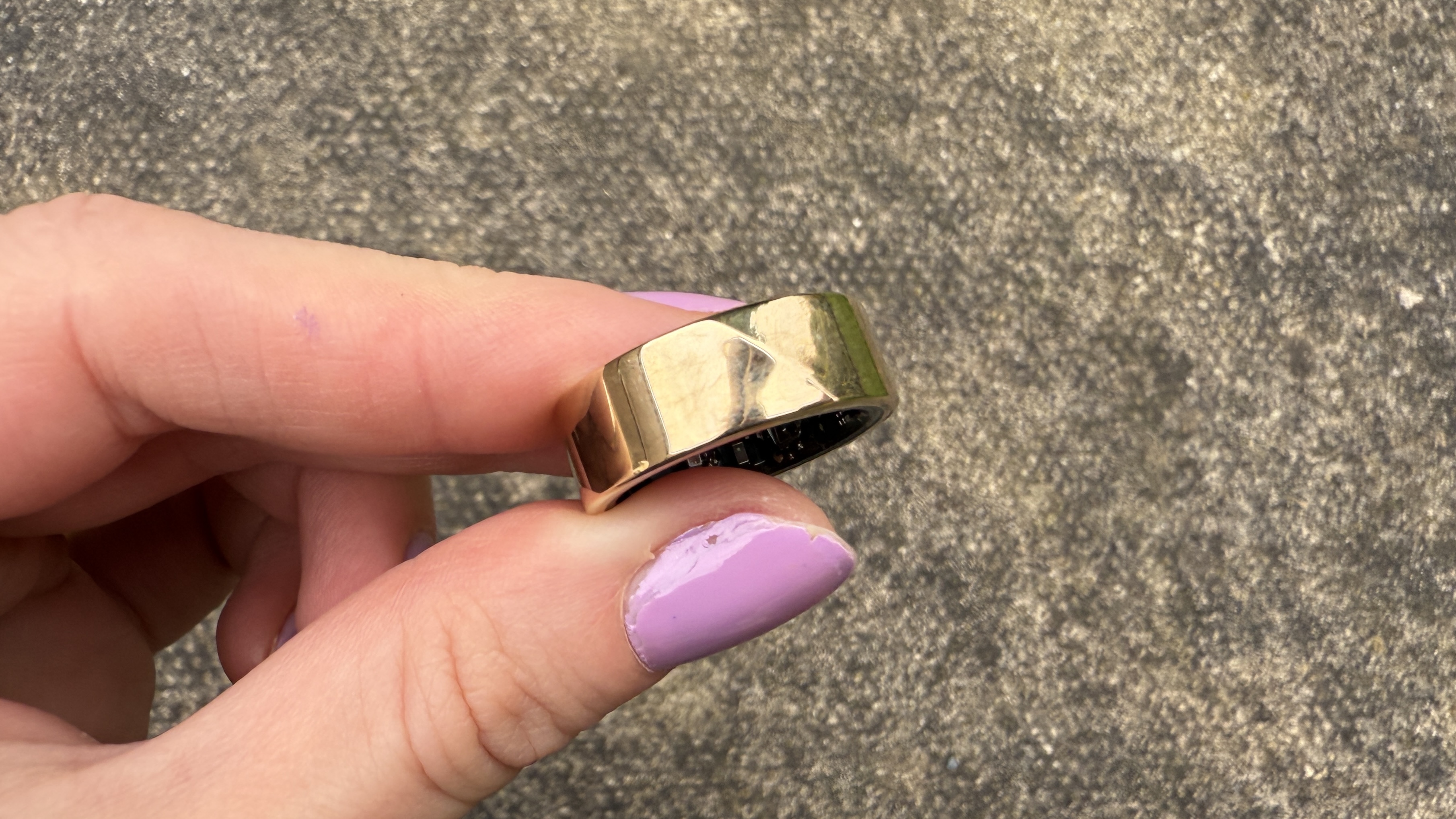
It comes in various finishes: Sunlit Gold, Stardust Silver, Rose Gold, Midnight Black, and Lunar Black (a matte shade). All finishes are offered at the same price, which is a positive, as some rivals charge more for specific colors or materials. This consistent pricing might also explain why the Luna Ring 2 has a less premium look and feel compared to some competitors.
This pricing places it below the Oura Ring 4, which typically retails for $349/£349, with premium options reaching $499/£499. The Oura Ring also requires a $5.99/£5.99 monthly membership for full insights. The Samsung Galaxy Ring launched at a higher price of $399/£399/around AU$750, though it is not compatible with iOS devices.
Subscription-free alternatives include the Ultrahuman Ring Air at £329 (not available in the US at the time of writing) and RingConn Gen 2 Air at $299/£280/AU$570 (approx). The Amazfit Helio Ring is a more budget-friendly option at £119.90.
Overall, the Luna Ring 2 is more affordable than the Oura Ring 4, and its lack of a subscription enhances its value. However, its price point is not low enough to make it an undeniable choice over other options.
- Value score: 3.5 / 5
Noise Luna Ring (Gen 2) review: Specifications
- Colors: Silver, Black, Matte Black, Rose Gold, Gold
- Weight: 3-5g (depending on size)
- Material: Titanium
- Battery life: Up to 7 days
- Connectivity: Bluetooth
- Waterproofing: Up to 50m/164 ft
Noise Luna Ring (Gen 2) review: Design
- Light and comfortable
- Slightly slimmer than first Luna Ring
- Can look cheaper than rivals, especially in gold
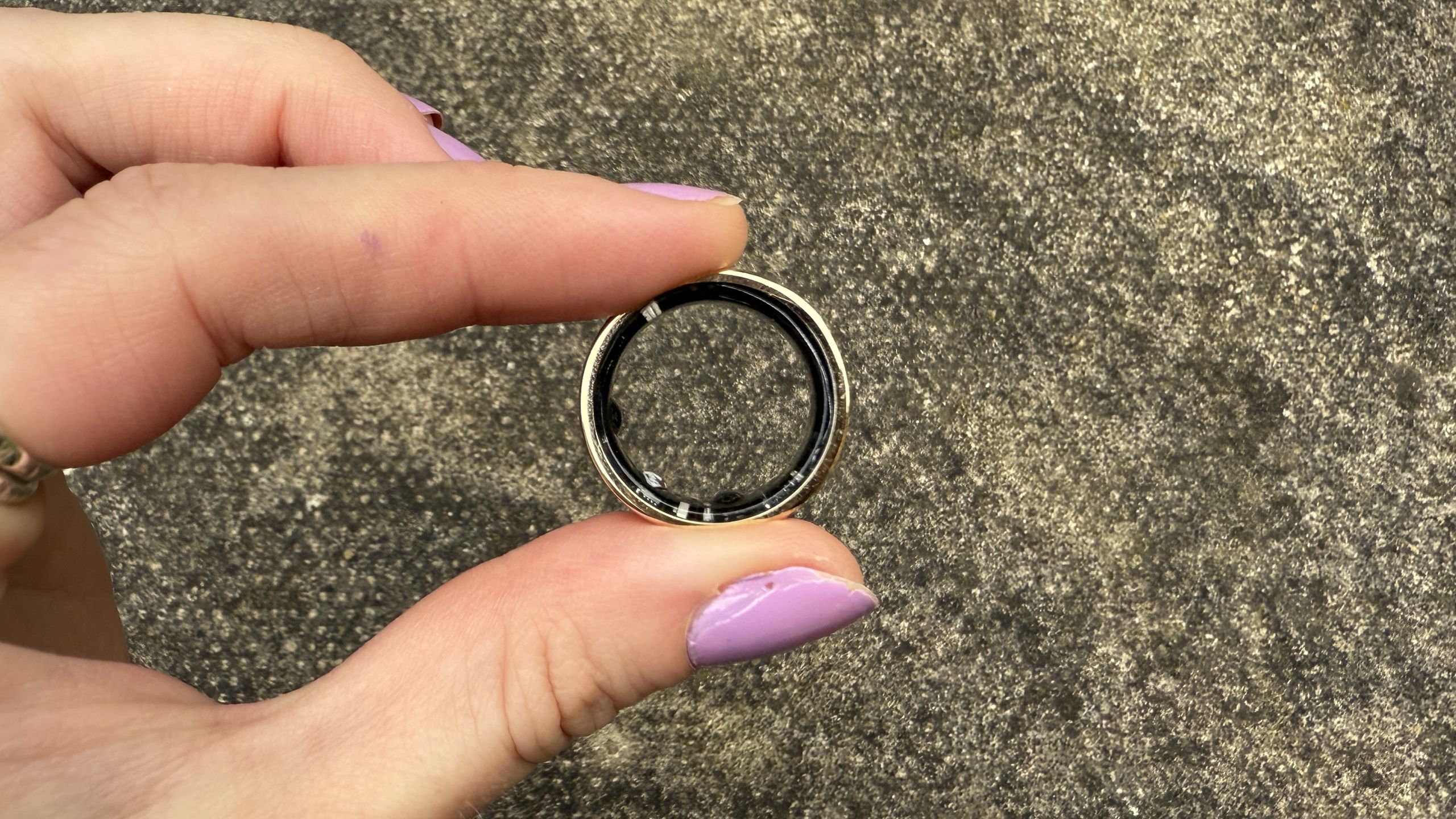
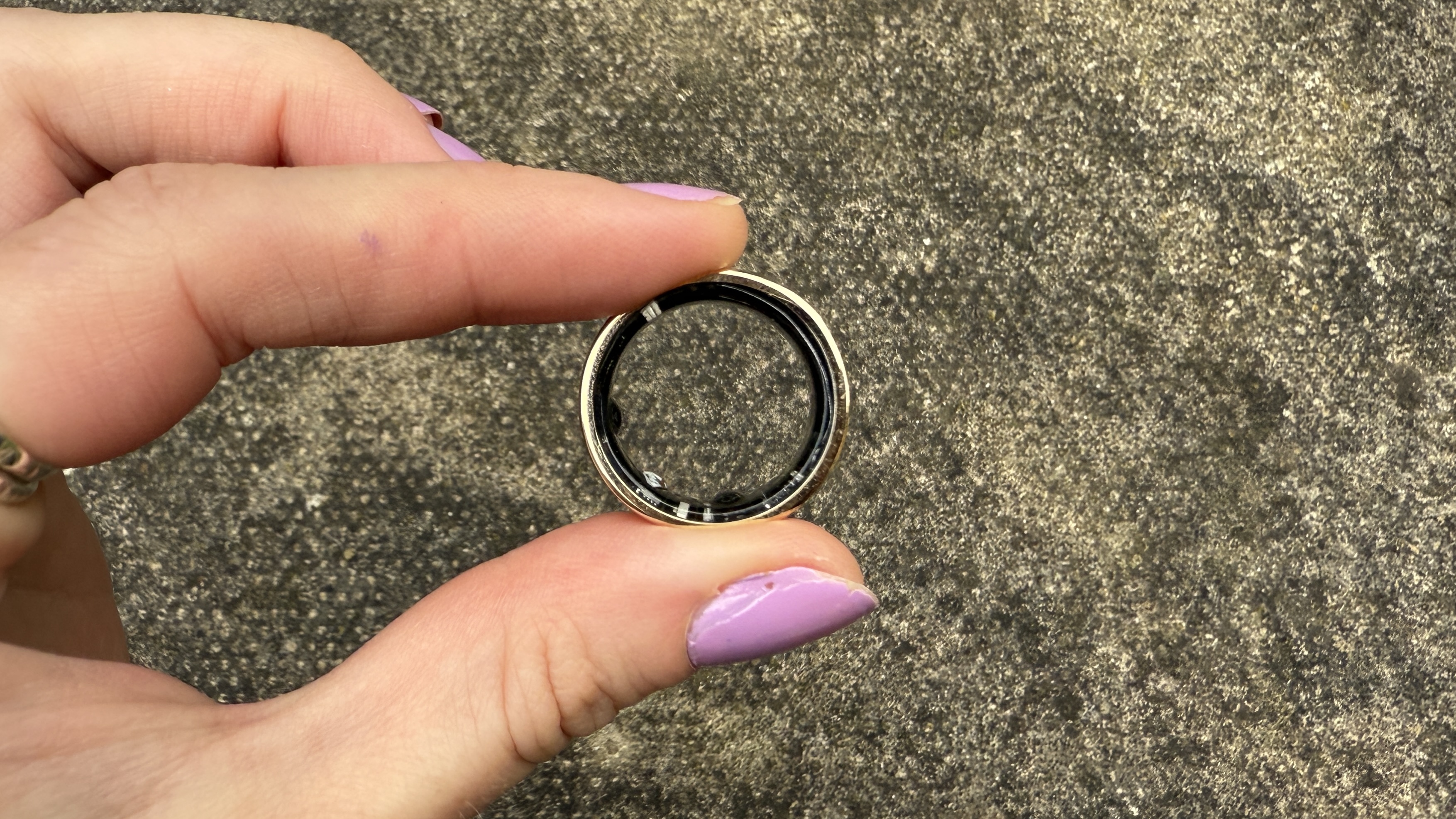
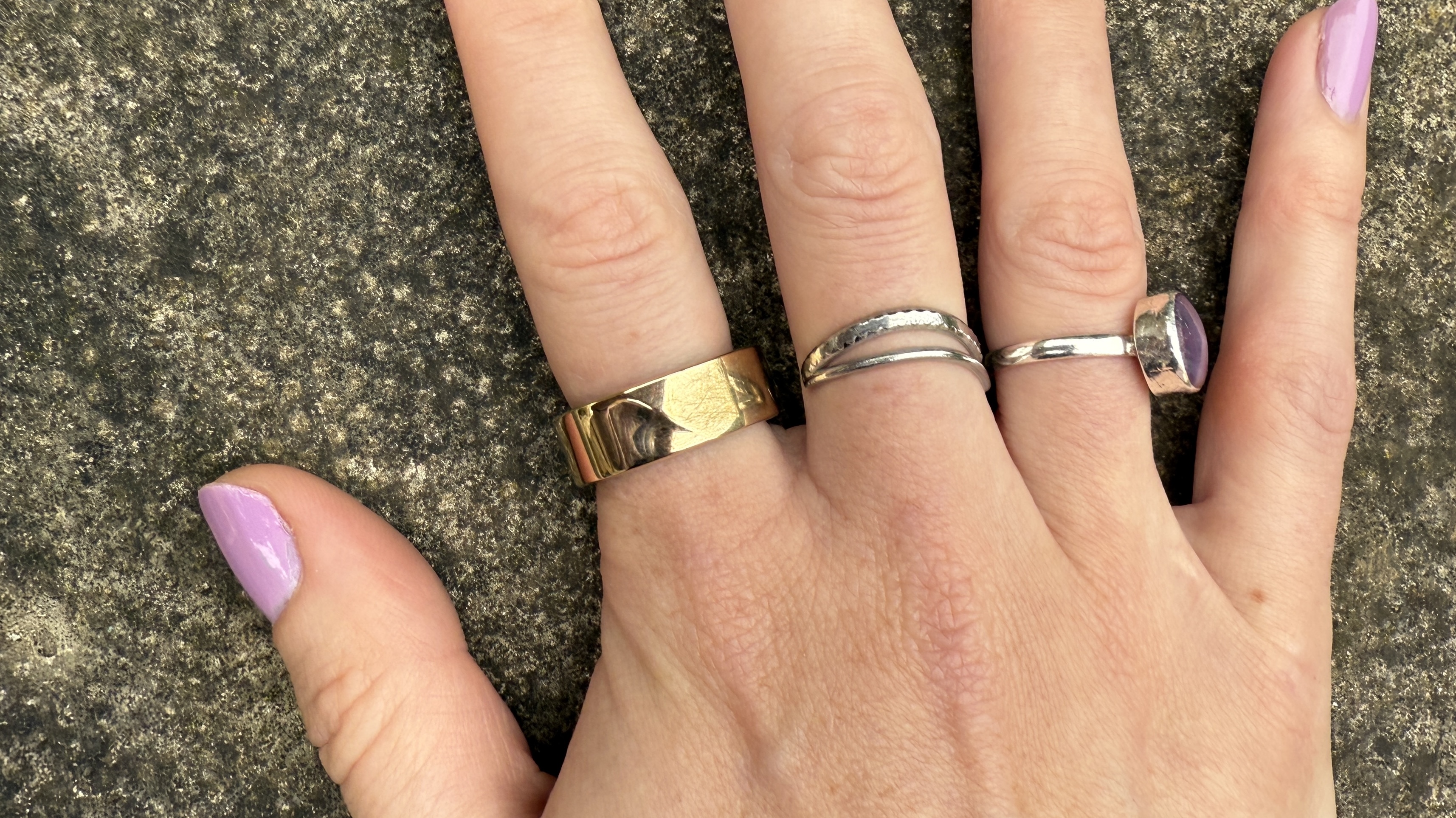
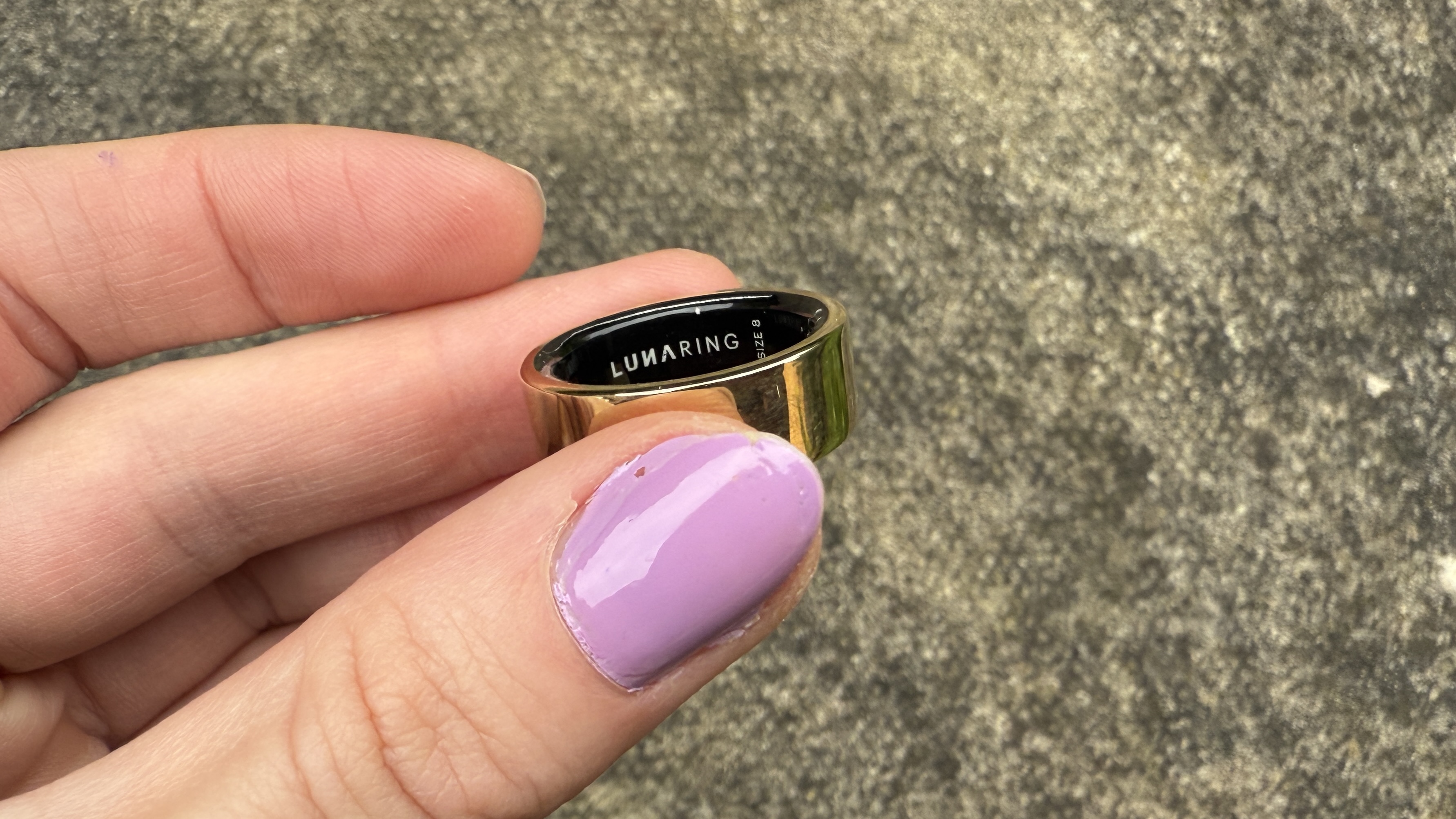
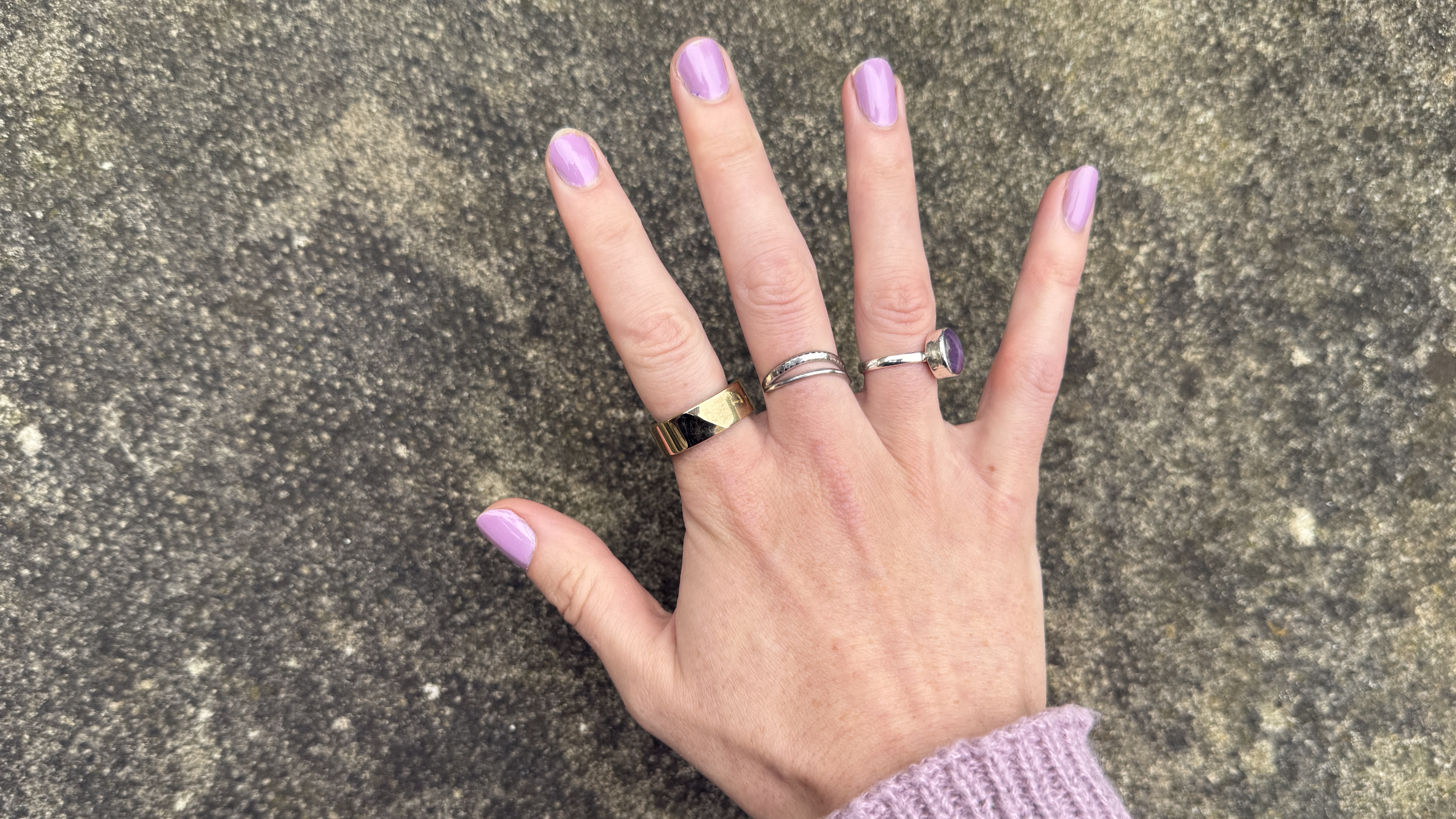
The Luna Ring (Gen 2) is a light and compact ring, weighing between 3g and 5g depending on the size. While a small reduction from the Gen 1 ring, which Luna states is 10% slimmer and lighter, the difference is subtle. The Gen 2 is genuinely very comfortable for continuous wear.
Sizing ranges from 6 to 14, and a sizing kit is provided in advance, similar to most smart ring brands. Although based on standard ring sizes, variations in fit between brands make using the kit advisable.
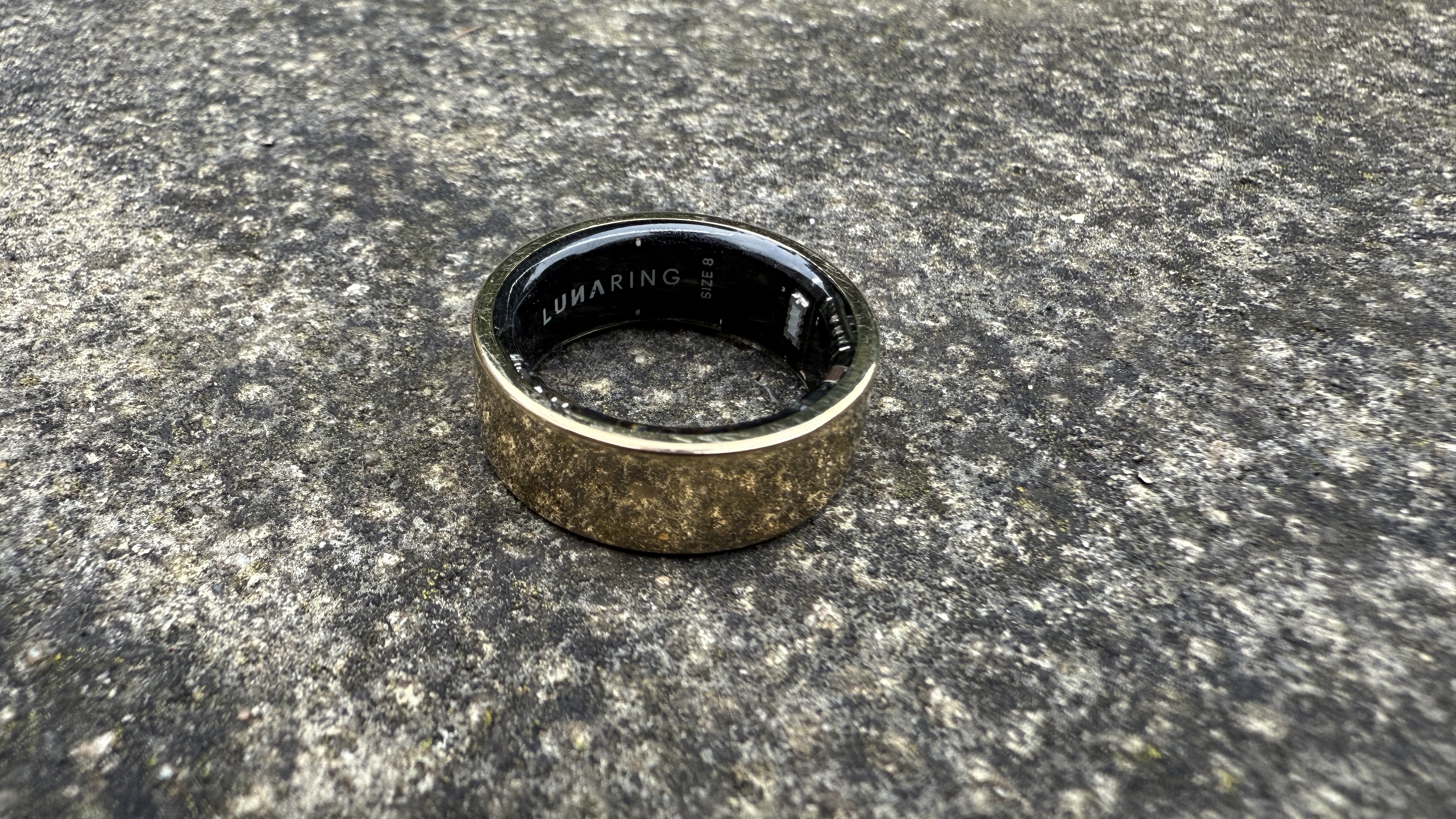
The ring is constructed from titanium with a PVD coating and features a non-allergenic, seamless inner surface. It boasts a 5ATM water resistance rating, meaning it can be worn during showers, swimming, or in the rain, which is convenient for consistent wear.
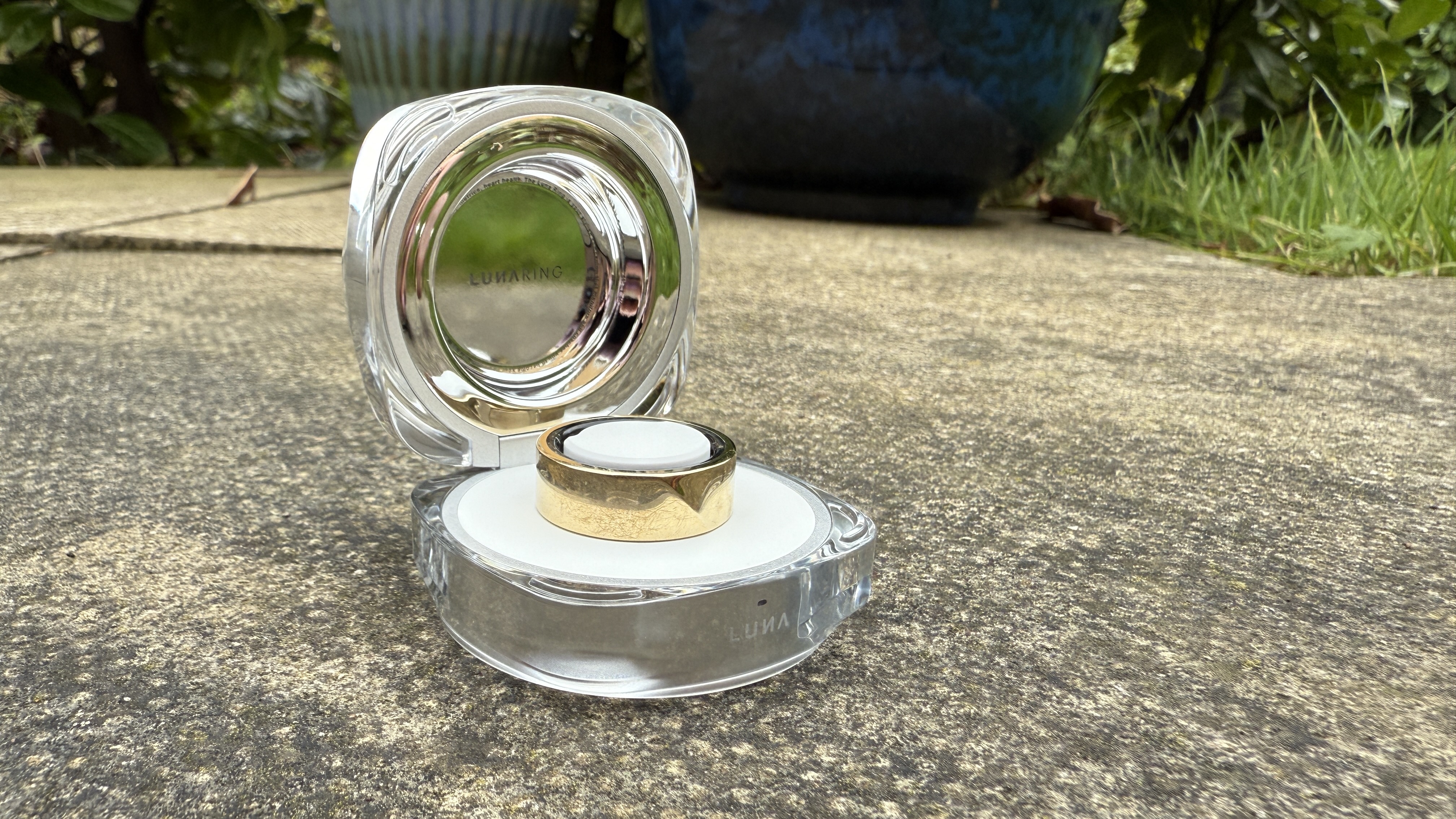
A good selection of colors is available: Stardust Silver, Rose Gold, Sunlit Gold, Midnight Black, and Lunar Black (a matte shade). Marketing images often depict them as shiny, and the Sunlit Gold tested is particularly glossy. While other brands also offer glossy finishes, this one can appear more like a plastic gold ring rather than blending in as jewelry.
The most significant design improvement in this version is the new charging case. Replacing the Gen 1’s small charging plinth, the new compact case resembles earbud cases or the Samsung Galaxy Ring’s case. It not only stores multiple charges but is also one of the most aesthetically pleasing and functional smart ring charging solutions available.
- Design score: 4 / 5
Noise Luna Ring (Gen 2) review: Features
- Strong core health and sleep data
- Circadian alignment tools genuinely helpful
- AI integration feels gimmicky
The Luna Ring (Gen 2) utilizes a familiar smart ring approach, packing numerous sensors into a small band. It includes green and red LEDs for heart rate, blood oxygen, and skin temperature tracking, along with photodiodes and a 3-axis accelerometer for movement.
From these sensors, Luna tracks sleep time, sleep stages, sleep score, resting heart rate, heart rate variability (HRV), respiratory rate, SpO2, temperature fluctuations, stress, activity, and menstrual/ovulation cycles based on temperature and HRV.
Automatic detection for walking and running is included, alongside basic workout logging for other exercises. Like most smart rings, it is not intended to replace a dedicated running or fitness watch, but it performs well for general movement tracking.
It is worth noting that a VO2 max estimate, found on some rival rings and many of the best smartwatches, is absent here. Users who value this training metric might miss it.
More interesting software additions include Luna’s “Life OS” platform, updated in this version. It introduces new tools such as the circadian alignment guide and a “caffeine window.” These features suggest optimal times for sunlight exposure, eating, exercising, and drinking coffee based on individual patterns, aiming to promote a more consistent rhythm and protect sleep.
These features proved genuinely useful and were well-presented. Even if they do not immediately transform sleep, they encourage a more intentional approach to daily routines aligned with sleep and natural rhythms.
An AI coach is also integrated, but its implementation feels somewhat gimmicky. It functions primarily as a chatbot layered over health data. While some users might find it useful for asking questions, the nutrition and lifestyle advice provided during testing felt generic. Responses could be slow, and those already familiar with basic health and fitness principles might find it slightly condescending.
Regarding integrations, the Luna Ring currently supports Apple Health and Google Fit, allowing workouts to be pulled from other platforms. However, deeper third-party integrations, such as direct connections to specialized training apps or health dashboards, are not yet available.
- Features score: 3.5 / 5
Noise Luna Ring (Gen 2) review: Performance
- Sleep tracking feels upgraded
- Battery life is good, not class-leading
- Good app but a bit cramped
Starting with the battery, which has been updated from the previous version, Noise claims 4 to 7 days of life. During testing, the ring consistently achieved just under 6 days, which is a good improvement over the first ring’s 4-day performance.
The charging case can store approximately 30 days of power, which is very convenient, especially given its light, small, and attractive design.
For comparison, the Oura Ring 4 and Ultrahuman Ring Air offer six to eight days of battery life, while the RingConn Gen 2 Air can last 10 to 12 days. This places the Luna Ring’s battery life in the good, but not exceptional, category. The improved charging case significantly enhances the user experience.
The Luna Ring (Gen 2) reliably detected walking and running automatically. Users are prompted to confirm detected sessions, which is a useful feature.
For other exercise types, activities must be logged manually, with a wide range of options including yoga, treadmill, cycling, bouldering, pilates, and even surfing. As with most smart rings, it is not a hardcore training tool, lacking GPS or dedicated workout modes. It functions more as an everyday health tracker that handles simple workouts adequately, rather than a device for serious training.
The Luna app elicits mixed feelings. On the positive side, it is rich with information, allowing users to delve into data on sleep, readiness, activity, temperature, and more. In some areas, scores are accompanied by concise explanations, which is always appreciated over bare numbers.
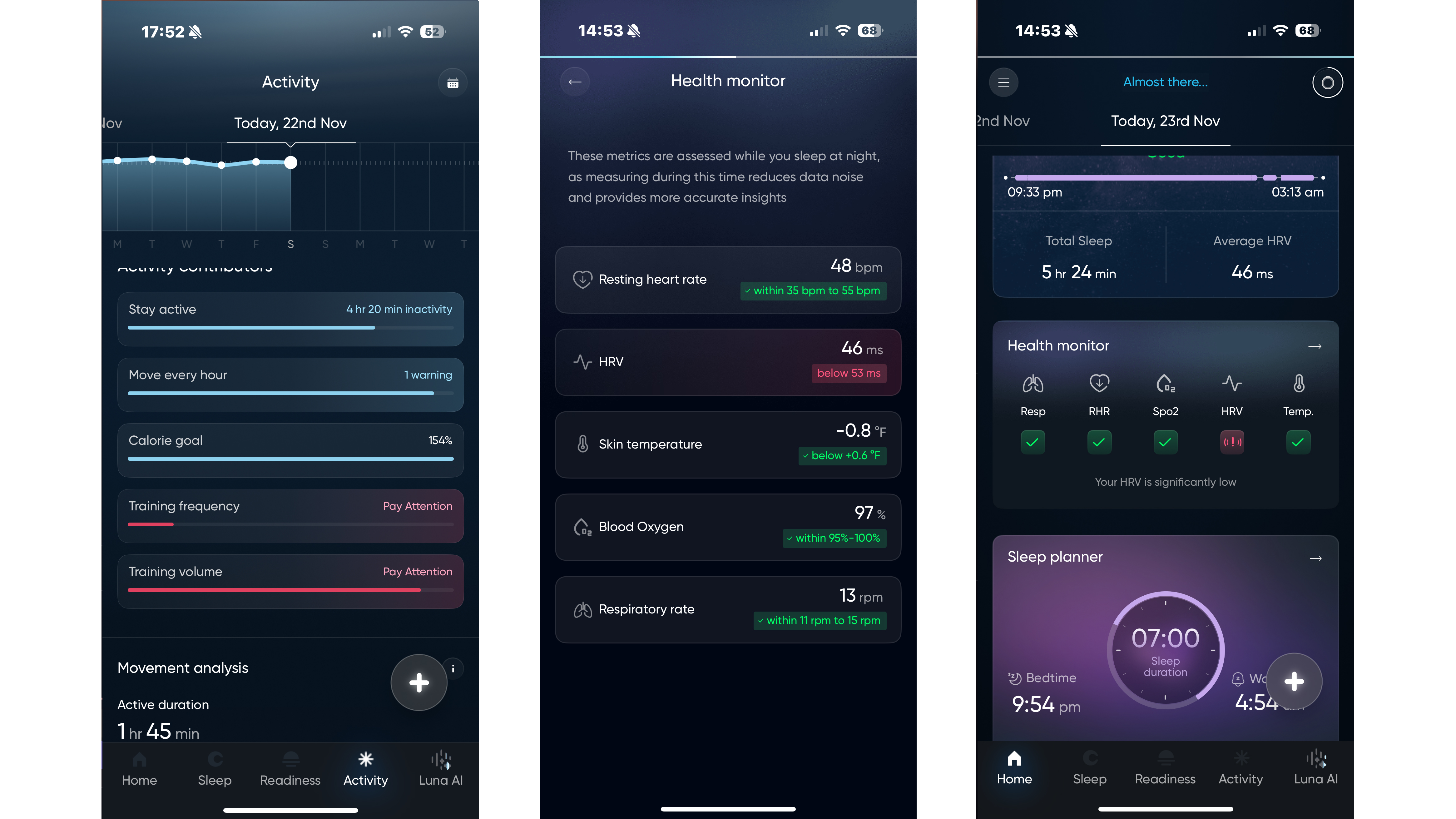
However, the data presentation could be improved. Fonts are small, and many elements are tightly packed, which subjectively impacts the daily enjoyment of using the app.
Some of the language and flagging around health data also feels unnecessarily alarming. For instance, a red exclamation mark on SpO2 with a blunt “Pay Attention” message is not ideal for how wearables should communicate health information. Similar sentiments apply to some coaching prompts, which, while technically accurate, lack warmth or a human touch.
Sleep tracking is a strong point for the Gen 2, accurately capturing sleep and wake times, even during fragmented nights. The Luna Ring 2 consistently detected patterns, such as waking at 3 am, reading for a few hours, and then returning to sleep, a pattern often missed by other wearables. Short naps were also accurately detected.
Users receive a comprehensive breakdown of sleep stages, a nightly sleep score, and insights into factors influencing that score. Over time, observing trends proves beneficial.
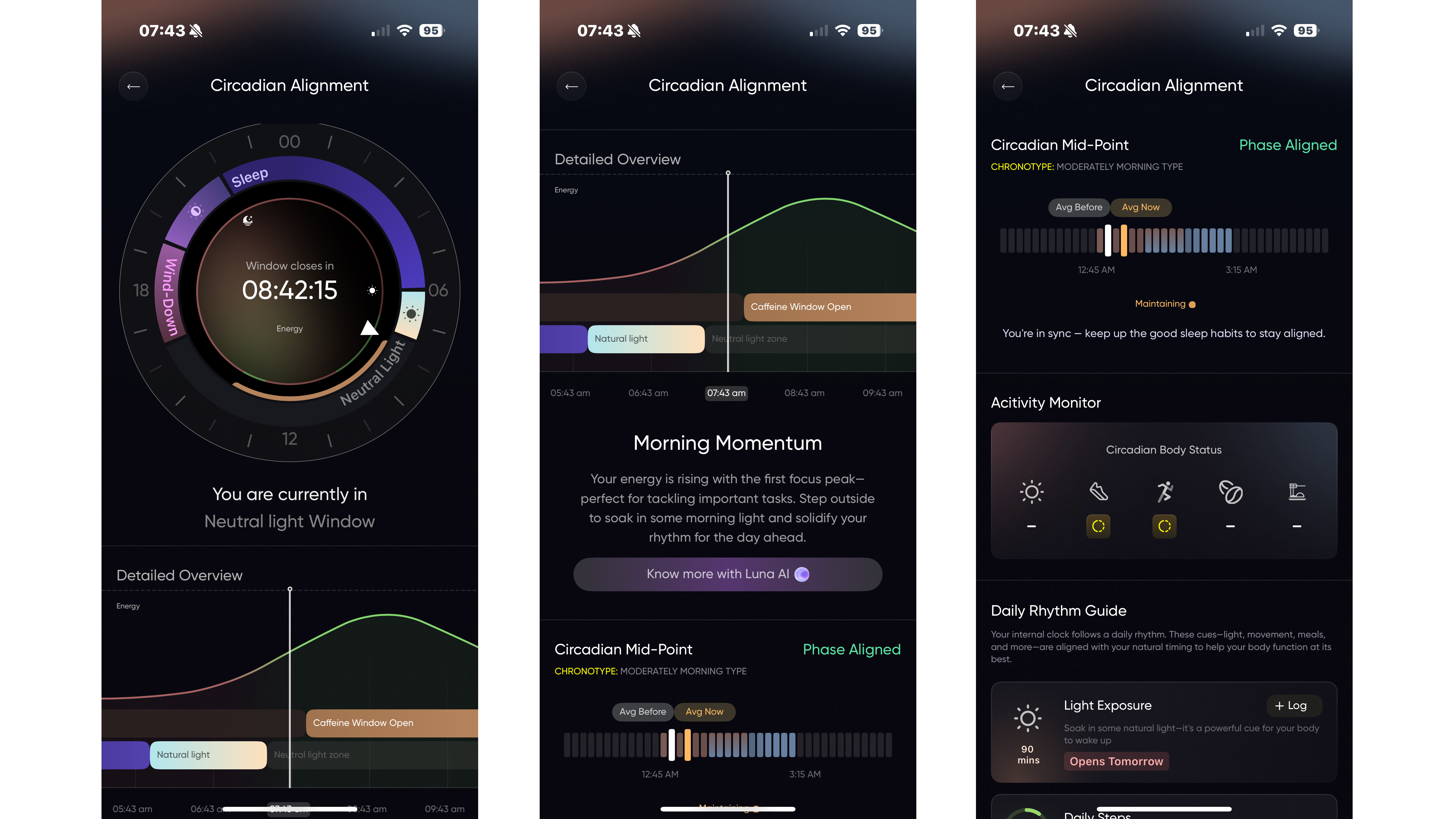
Whether the circadian tools definitively improve sleep is difficult to quantify, but the prompts regarding outdoor exposure, coffee, and exercise encourage a more intentional approach to daily routines.
Finally, the AI coach, while potentially appealing to some, feels like a basic chatbot integrated with health data rather than offering personalized guidance. Generic nutrition tips, slow responses, and a lack of nuance make it less enjoyable to use.
However, one suggested prompt, “Which health metric needs my attention today?”, effectively highlights noticeable issues without extensive searching.
- Performance: 4 / 5
Scorecard
- Design: Light, comfortable and slightly slimmer than Gen 1. The gold color looks less premium than rivals. But the charging case is excellent. (4 / 5)
- Features: Strong core health and sleep tracking with useful circadian alignment feature. The AI coach and lack of VO2 max are the only bugbears. (3.5 / 5)
- Performance: Accurate sleep tracking, decent activity detection and good but not class-leading battery. App is overall great but needs a design refresh. (4 / 5)
- Value: Cheaper than some rivals and subscription-free but not cheap enough or polished enough to be a really obvious choice over rivals. (3.5 / 5)
Should I buy the Noise Luna Ring (Gen 2)?
Buy it if…
You want accurate tracking and plenty of data The device offers accurate sleep and recovery tracking, and a generous amount of data and trends to explore.
You want strong sleep tracking without bulk For those primarily focused on sleep and general recovery, smart rings are appealing for their ability to provide data without the bulk of a smartwatch at night.
Don’t buy it if…
You want the absolute best tracking and polish While impressive, the Oura Ring 4 generally provides a more polished experience in terms of design, app refinement, and depth of insights.
You care a lot about premium materials and finishes If the smart ring is intended to also serve as jewelry, Oura’s rings tend to offer a more high-end look and feel.
You already own the first Luna Ring This version offers a better charging experience and additional features. However, if satisfied with the Gen 1, there isn’t a compelling reason to upgrade.
Noise Luna Ring (Gen 1): Also consider
Oura Ring 4 This remains a top all-rounder for design, app experience, and data depth across iOS and Android. It is more expensive than the Luna Ring 2 and requires a subscription for full functionality. However, for some, the added polish and insights justify the cost. Read the full Oura Ring 4 review
Ultrahuman Ring Air A strong subscription-free alternative, featuring a sleek design, a polished app, and effective sleep and recovery tracking. It is widely regarded as the second-best option after Oura.Ultrahuman Ring Air review
How I tested the Noise Luna Ring (Gen 2)
- Paired with an iPhone 16 Pro
- Wore the ring 24/7
- Experience testing wearables for 12+ years
The Noise Luna Ring 2 was tested for several weeks, paired with an iPhone 16 Pro. It was worn continuously, including during outdoor runs, gym sessions, long workdays, evenings at home, and while sleeping. It was only removed for charging or showering. Over the past 12 years, numerous wearables have been reviewed, including smartwatches, fitness trackers, and smart rings from various brands. This extensive experience provides a strong understanding of what makes a smart ring comfortable, truly useful—from design and comfort to performance, app quality, and long-term wearability—and how it stands out in a competitive market.
- First reviewed in November 2025
