


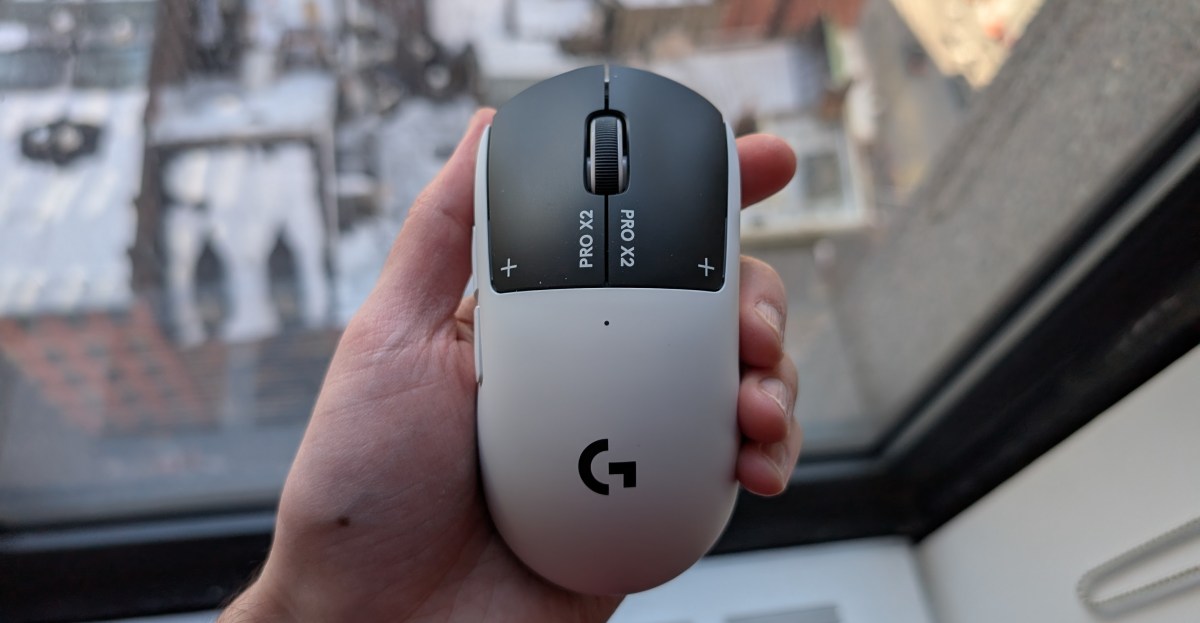

The Logitech G Pro X2 Superstrike, priced at $179.99, introduces advanced analog sensor technology to gaming mice, a feature previously seen in enthusiast gaming keyboards. This mouse utilizes induction to register clicks more rapidly than traditional microswitches.
These analog sensors offer more than just reduced latency. They enable a rapid trigger feature, similar to Hall effect keyboards, which allows for quick button resets and immediate readiness for subsequent inputs. Furthermore, the mouse’s main buttons can be customized for actuation distance, letting users set the required press depth from a light touch to a more deliberate click, which can be beneficial for preventing accidental inputs.
A notable innovation in the Superstrike is the integration of haptic feedback instead of mechanical switches beneath its buttons. These haptics accurately mimic the sound and feel of a traditional click, with the buttons physically moving and rebounding. Users can adjust the intensity of this haptic feedback, making it stronger (though this may reduce battery life) or disabling it entirely for silent operation (at the cost of tactile confirmation).


Logitech G Pro X2 Superstrike
$180
Many gaming mouse features introduced over the years, such as reduced weights, 8,000Hz polling rates, and optical sensors, have often claimed competitive advantages that were not always felt in practical use. However, the Superstrike appears to mark a significant evolution in gaming mice, with Logitech successfully implementing new technologies despite maintaining a familiar design.
For those considering this mouse, the Superstrike, with its analog sensors and customizable actuation, offers a more compelling experience than Hall effect gaming keyboards with similar features. The key distinction lies in Logitech’s haptics, which provide a realistic click sensation that can be adjusted. In contrast, Hall effect keyboard switches have a fixed, quiet, and low-resistance feel that cannot be modified.
During testing for work and gaming, the haptics and analog sensors of the Superstrike proved less impactful in general web browsing. However, these features became engaging when playing games like Deadlock. In a game requiring frequent button presses for combat and menu navigation, reducing both haptic intensity and left mouse button actuation distance felt optimal. The rapid trigger functionality allowed for quicker engagement and more accurate shots. This enhanced responsiveness was particularly noticeable with characters using rapid-fire automatic weapons (like Haze) compared to single-shot characters (like the archer Grey Talon).

While increasing button actuation distance might not be a common preference, it could be advantageous in specific game genres like extraction shooters, where precise and intentional clicks are crucial. For players prone to accidental clicks during tense moments, a higher actuation force could help prevent misfires. This level of customization, enabled by the analog sensors, offers valuable flexibility.
Extensive coverage of the Superstrike since its release highlights its impact. One notable review,
, suggested that the mouse’s reduced latency and quicker sensors improved gaming performance, making the reviewer feel more agile. Human response times typically decline with age, which explains the prevalence of younger professionals in esports. The Superstrike has gained popularity among young pros, with esports player Yigox recently achieving a Guinness World Record for 760 clicks in a minute using the mouse.
The Superstrike does not offer a miraculous solution for aging gamers, nor does it provide aiming assistance or unfair advantages. However, its features are genuinely innovative, not mere gimmicks. For dedicated players committed to improving their skills, Logitech’s new mouse, with its faster and highly customizable clicks, could potentially extend their competitive edge.
