


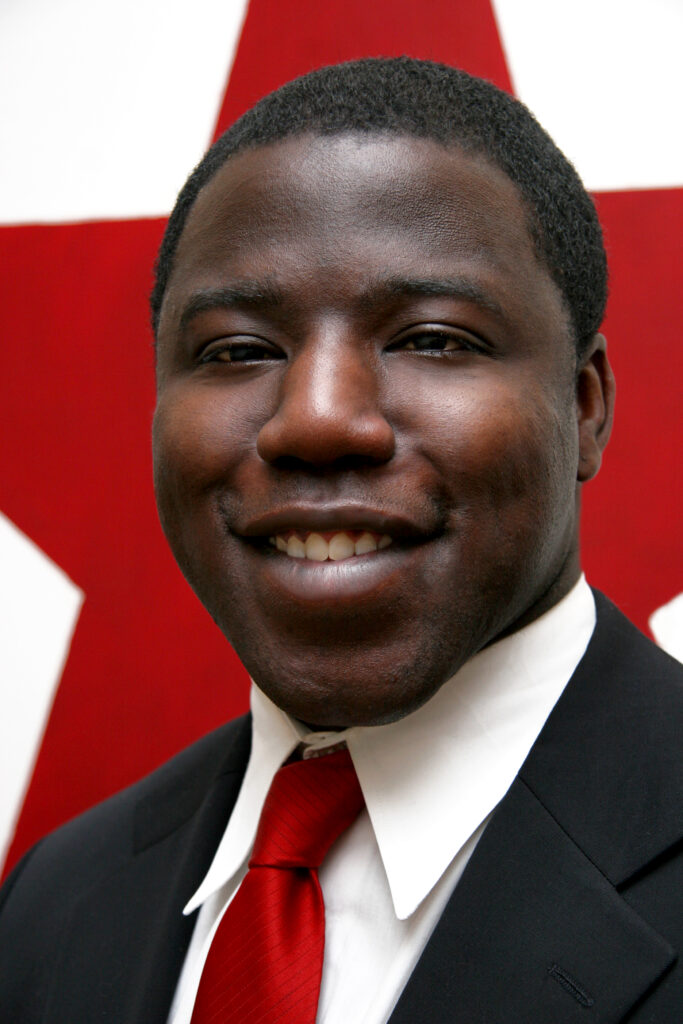
The journey of entrepreneurship in America is frequently idealized, often depicted as a straightforward path from vision to successful execution. However, the reality is considerably more complex, often requiring extensive dedication and sacrifice before achieving recognition.
This path often involves navigating ambiguous situations influenced by timing, trust, public perception, and inherent risks. Kwasi Asare’s story offers a compelling example of this intricate reality.
Born to Ghanaian immigrants who settled in New York City during the 1960s, Asare grew up in Bensalem, Pennsylvania. His upbringing emphasized faith, education, and the pursuit of the American Dream. When state regulations initially prevented him from starting first grade due to age, his parents successfully advocated for his early entry. After demonstrating advanced abilities, he was enrolled in gifted humanities programs, which significantly influenced his intellectual development.
This strong foundation led him to the University of Pennsylvania, where he pursued International Politics. His professional journey began in finance at Salomon Smith Barney. He was working mere blocks from the World Trade Center during the September 11 attacks, an experience that profoundly impacted him and many others of his generation, leading to a reevaluation of personal ambitions and life’s purpose.
This period of reflection prompted a move westward. Inspired by a biography of entertainment executive David Geffen, Asare shifted his focus from finance to the cultural sector. During the early 2000s, as the music industry grappled with the challenges of digital transformation, he strategically placed himself at the forefront of these emerging changes.
Collaborating with prominent labels such as Sony Music Entertainment, Atlantic Records, and Warner Music Group, he played a key role in developing digital marketing strategies. This was a time when engaging fans online was still a novel concept. His campaigns utilized nascent platforms like Myspace and YouTube, establishing foundational practices for what would evolve into today’s creator economy. Additionally, he contributed to early research that influenced platforms like Vevo and managed digital projects for renowned artists including Prince, Outkast, Pharrell Williams, Nas, and the Wu-Tang Clan.
For Asare, cultural work was consistently intertwined with civic involvement. In 2004, he assisted in establishing Music For America, an initiative that connected artists with voter engagement campaigns. During the 2008 presidential election, he created advocacy platforms to support Barack Obama, involving figures like Jay-Z and Mary J. Blige. By 2012, he co-founded Startup Rock On, an event designed to unite technology and public policy leaders, featuring guests such as then-Vice President Joe Biden, The Roots, and Steve Aoki. In 2016, he developed Innovation Live, aiming to connect political conventions with cultural influence, notably hosting The Unity Party which celebrated Hillary Clinton with a performance by Snoop Dogg.
For over ten years, his work demonstrated a clear pattern: utilizing culture to foster global civic discourse while simultaneously developing successful commercial platforms.
This consistent trajectory eventually encountered a significant challenge, highlighting the inherent risks in ambitious ventures.
In 2018, Asare initiated the development of a novel concert investment model. This model sought to enhance artist earnings and autonomy, while also providing structured opportunities for live entertainment investments. This concept arose during a period when live music was solidifying its position as the most dependable income source for the industry. This led to numerous meetings and the formation of partnerships.
An introduction to industry contacts, who were promoting a series of high-profile concerts, initially seemed trustworthy. Connections within shared professional networks contributed to this perceived legitimacy. However, a problematic pattern associated with one individual involved was not immediately apparent—a history of accepting deposits for events that were never executed.
With increased scrutiny across the live event industry, particularly after the Fyre Festival incident, federal investigators began reviewing various deals. In May 2019, Asare was briefly detained for questioning.
The legal process concluded quickly. Following the presentation of documentation and legal counsel clarifying his involvement, the case was dismissed within a few months.
Ultimately, no wrongdoing was attributed to him.
Nevertheless, in the digital era, reputation can be affected irrespective of legal outcomes. Online search results often fail to differentiate between mere association and actual culpability. Thorough due diligence frequently overlooks subtle distinctions. In fields heavily reliant on public perception, even indirect association can pose a significant risk.
Entrepreneurship within creative industries often necessitates rapid action, reliance on collaborators, and operating beyond established formal protections. It also demands sound judgment, especially concerning the character of partners. This particular incident highlights a crucial lesson for founders in culture-driven sectors: being close to promising opportunities often entails unforeseen vulnerabilities.
Currently, Asare remains active at the convergence of entertainment, innovation, and sustainable development. He collaborates with NGOs and initiatives aligned with the United Nations, focusing on advancing the Sustainable Development Goals and promoting a future economy free from fossil fuels. His ambitious long-term goal, to enhance the quality of life for over one billion people by 2050, reflects a reconnection with core values rooted in his immigrant family’s sacrifices and his early educational opportunities.
This narrative is not one of scandal, but rather a testament to resilience in the face of challenges. It illustrates how quickly reputation can change, how timing can dramatically alter a path, and the necessity of diligently safeguarding integrity within the complex landscape of contemporary entrepreneurship.
Operating within these ambiguous areas is an inherent part of entrepreneurial endeavors. True resilience is demonstrated by enduring such challenges and persisting in one’s efforts.
