


As 2026 approaches, a review of significant CSS developments from the past two weeks is presented.
Conditional view transitions
Chris Coyier demonstrated how to trigger different view transitions based on the URL or conditional JavaScript logic. Bramus noted in the comments that navigation matching is coming to CSS, potentially reducing reliance on JavaScript for this functionality.
Annotating design system components for accessibility
Geri Reid provided a detailed explanation of annotating design system components for accessibility, including practical HTML examples. A notable aspect involves defining elements, ARIA, markup, keyboard navigation, zoom, and user preferences as accessibility tokens.
 Source: zeroheight.
Firefox to become a “modern AI browser” to the delight of absolutely no one
Firefox has recently faced challenges, with its CEO, Anthony Enzor-DeMeo, stating in an interview on The Verge that it would evolve into a modern AI browser. Given its 2.3% browser market share, this move might be an attempt to innovate, though user reception has been largely negative. In response to concerns, an AI kill switch has been announced.
For users seeking a no-AI alternative, Waterfox offers a fork of Firefox without AI features.
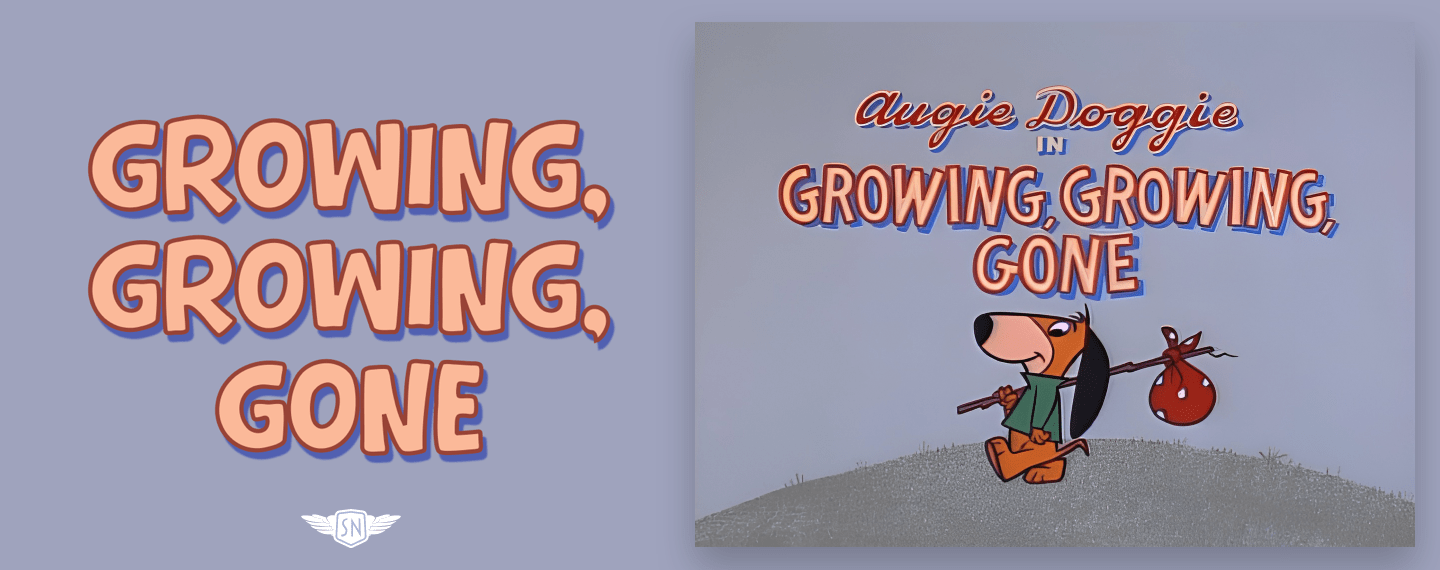
Creating ‘toon text with CSS and SVG
Andy Clarke illustrated how to achieve classic ‘toon text effects using CSS and SVG. This demonstration introduced the paint-order CSS property, which is a notable feature for such effects.
 Source: Smashing Magazine.
6 CSS features that you should learn in…2025
Adam Argyle published an article earlier in the year detailing six CSS features to learn in 2025. As 2026 approaches, it serves as a good time to reflect on progress with these features, such as the @property rule.
Great CSS posts on Bluesky
Bluesky has emerged as a platform where relevant content and a strong developer community thrive, including CSS-Tricks and its authors. Here are some notable CSS-related posts from the Bluesky community:
Temani Afif showcased an interesting combination of anchor positioning, attr(), container queries, and shape() in a demo (best viewed in Chrome). The demo features two circles and an arrow, with the arrow’s shape and position fully controlled by CSS, including collision detection.
CSS by T. Afif (@css-only.dev) 16 December 2025 at 11:21
Stephen Margheim outlined reasons for namespacing semantic CSS classes, suggesting prefixes like ui- for elements such as ui-button instead of .btn.
Stephen Margheim (@fractaledmind.bsky.social) 25 December 2025 at 11:02
Ana Tudor’s displacement map text effects are impressive, offering capabilities like rotation, 3D effects, and bubbling lens effects without duplicating or splitting text (best viewed in Chrome).
Ana Tudor (@anatudor.bsky.social) 26 December 2025 at 11:41
Additional displacement map text effects are available on Ana’s feed.
George Black commented on the challenge of using modern CSS features that are supported in either Chrome or Safari, but not both, questioning if eventual consistency will be achieved.
George Black (@george.black) 28 December 2025 at 21:14
This consistency is indeed the goal of the Interop Project, a collaborative effort by Chrome, Firefox, and Safari to standardize browser features. Users can even vote on features for future Interop initiatives. Further details on Interop 2026 proposals are available from Chrome and WebKit.
Sunkanmi Fafowora expressed gratitude to those who advance CSS capabilities, acknowledging their significant contribution to simplifying development work for many.
Sunkanmi Fafowora (@sunkanmifafowora.bsky.social) Dec 17, 2025 at 12:26
May all websites be bug-free and function across all stable browsers in the coming year.
