



Technology can be developed with a focus on openness, responsibility, and inclusivity, serving the needs of its users. As artificial intelligence continues to transform the internet, these principles are being critically examined.
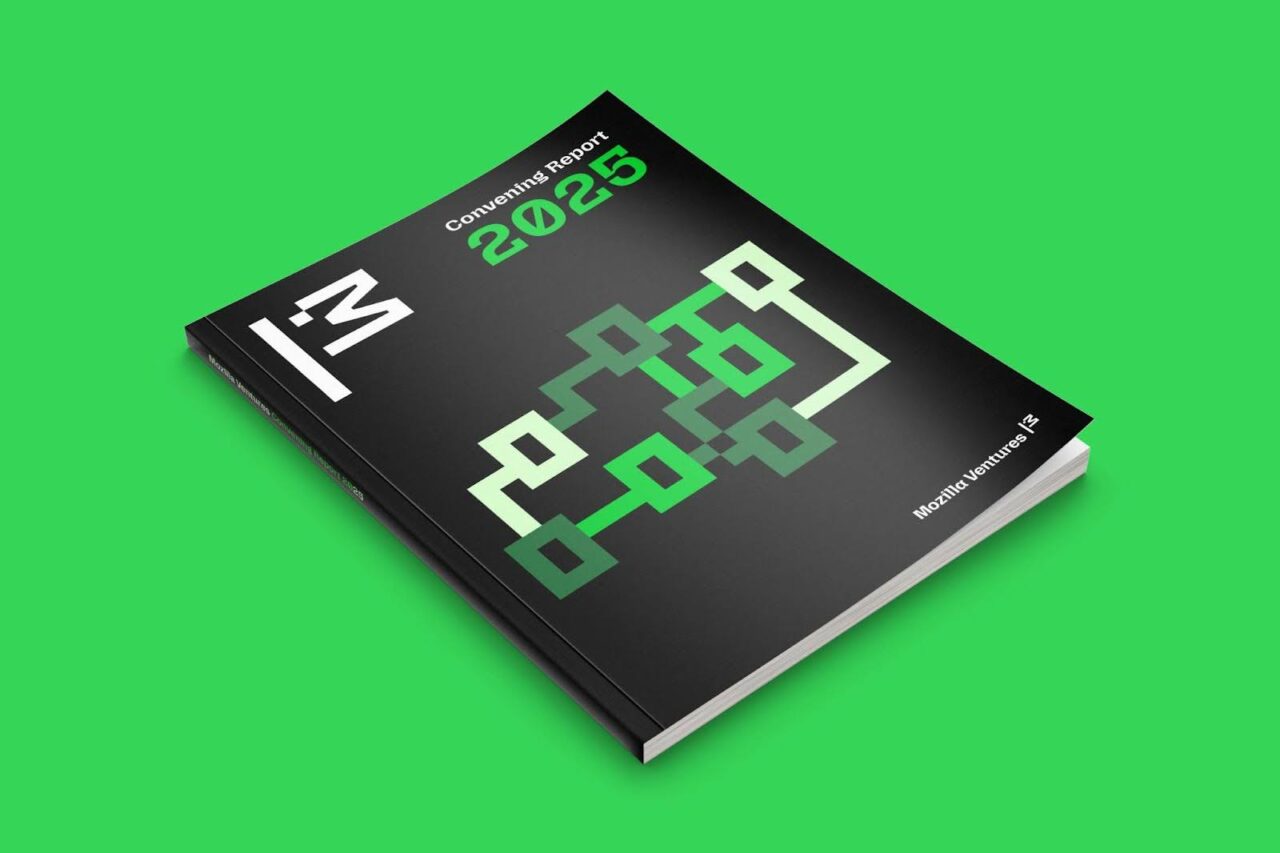
The 2025 Mozilla Ventures Portfolio Convening Report highlights how a new wave of founders is addressing these challenges.
The Mozilla Festival 2025 in Barcelona gathered 50 founders from 30 companies to discuss critical technology questions. Discussions focused on developing trustworthy and governable AI, safeguarding privacy, envisioning improved social platforms beyond global feeds, and ensuring diverse communities contribute to technology’s future.
Across three days of panels, talks, and practical sessions, founders shared their innovations and insights gained from exploring new technological frontiers. The event provided a clear picture of the industry’s direction and the difficult decisions ahead.
Open source as strategy, not slogan
A significant theme among founders was the strategic importance of open source, moving beyond a mere preference to become a foundation for trust, adoption, and resilience in AI, crucial for the startup ecosystem. Founders acknowledged the substantial costs of training large-scale models and the influence of major labs. However, examples like Union.ai, Jozu, and Oumi demonstrate that openness can still provide a competitive advantage when approached as a deliberate design decision rather than a superficial marketing tactic.
The consensus was that superficial ‘open-washing’ is insufficient. Genuine openness requires transparency regarding shared components like weights, data, governance, and standards, along with clear justifications. It involves cultivating communities that can endure beyond individual companies and selecting investors who appreciate the time required for open-source initiatives to gain momentum.
Community as the real competitive edge
Throughout the November sessions, founders consistently emphasized that community is the moat. The evolution of Flyte into a Linux Foundation project, Jozu’s advocacy for open packaging standards, and Lelapa’s community-managed language datasets illustrate that lasting strength comes from trusted, shared infrastructure, not just proprietary code.
Communities enhance technology robustness, identify unusual scenarios, and establish stability that helps systems persist even when new competitors emerge. However, they demand careful attention to documentation, governance, contributor experience, and transparency. As one founder noted, “Building a community is a long-term commitment, requiring years of nurturing.”
Ethics as infrastructure
A significant insight came from Lelapa AI, which views data as cultural property rather than a resource for extraction. Their licensing framework, influenced by Māori data sovereignty, ensures that African languages — and their associated communities — benefit from the value generated. This approach promotes accountable openness, challenging conventional extractive practices and fostering a more equitable AI landscape.
This highlights that ethical design is fundamental to technology’s architecture, not merely an add-on layer.
The real competitor: fear
Founders openly discussed fear as a primary obstacle to adoption. Businesses often favor large hyperscalers, as selecting a dominant vendor is perceived as a safe choice. Overcoming this inertia demands more than just shared values; it necessitates robust reliability, comprehensive security features like SSO, RBAC, and audit logs — the crucial, albeit less glamorous, functionalities that enable open systems to thrive in organizational settings.
Essentially, trust is established through both core principles and superior operational execution.
A blueprint for builders
Collectively, the 16 essays in this report reveal insights beyond individual technologies or trends. They illustrate founders addressing AI governance, trust-building, the reconstruction of social systems at a human scale, and how innovation takes on distinct forms when originating from places like Lagos or Johannesburg, rather than solely Silicon Valley.
- Strategically design openness, viewing it as an asset rather than a concession.
- Prioritize early investment in community building, even before generating revenue.
- Consider data ethics non-negotiable, particularly when engaging with marginalized communities.
- Recognize inertia as a competitor, and develop tools that foster a sense of security for adoption.
- Select investors whose values align with your mission, as misaligned capital can subtly undermine objectives.
The future of AI does not inherently require centralization, extraction, or opacity. The founders within this portfolio demonstrate that openness, trustworthiness, diversity, and public benefit can be mutually reinforcing, forming the foundation for competitive companies.
