


Decades ago, while seeking funding for a startup, an entrepreneur made a notable impression on an investor by not only outlining potential successes but also addressing the possibility of failure. The investor later revealed that a particular comment during the pitch had been persuasive: “And if all our predictions and expectations are wrong, the remaining funding will be used for a magnificent farewell dinner for all our investors. You’ll have lost your money, but at least you’ll get a great evening in return.”
This statement, likely an impromptu remark, resonated with the investor. It was seen as refreshing to encounter an entrepreneur who was not solely focused on an optimistic outlook. Having a contingency plan for both triumph and setback demonstrated honesty and a realistic perspective.
Ultimately, the startup did not achieve its initial goals, but a memorable dinner with the investors still took place. Upon realizing that the initial projections were not materializing, an offer was extended to the investors: either continue struggling and pivoting in hopes of a miracle, or return the remaining funds. The latter option was chosen, resulting in investors recovering approximately 40% of their initial investment, in addition to enjoying a pleasant evening. This approach fostered strong relationships, as nearly all these investors participated in the first funding round for a subsequent startup a few years later.
While success would have been preferred for that initial venture, it is still considered a valuable experience. The attempt was made, a plan was in place for when the experiment did not work, and enduring relationships were forged that outlasted the single startup.
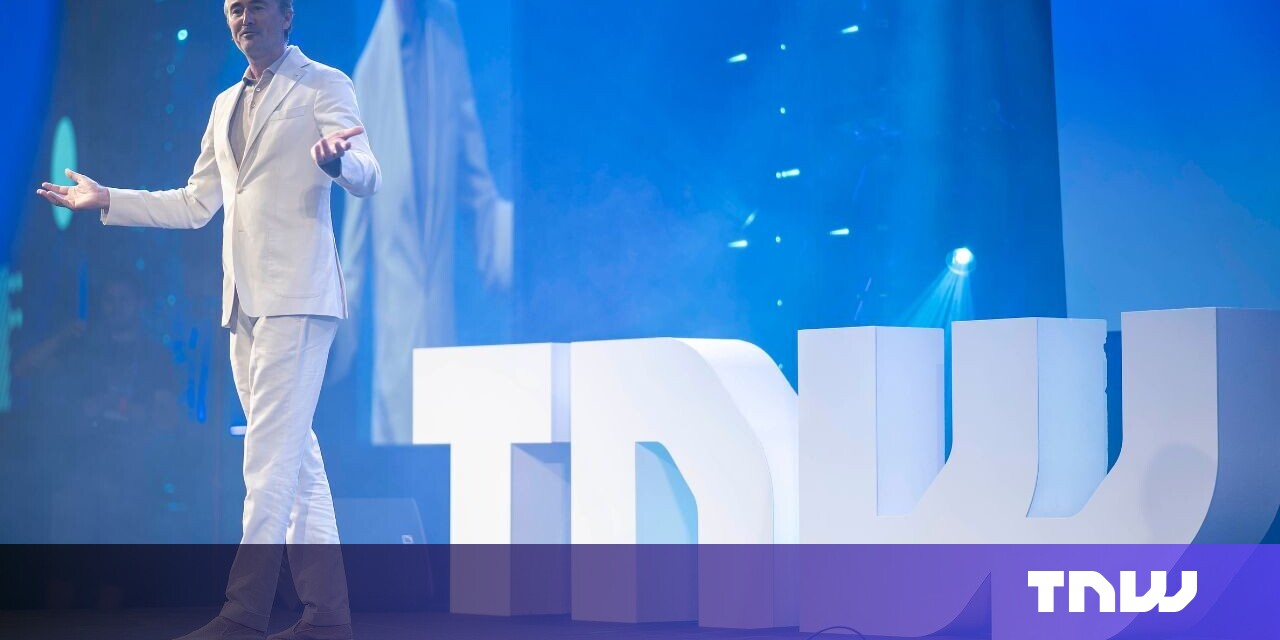
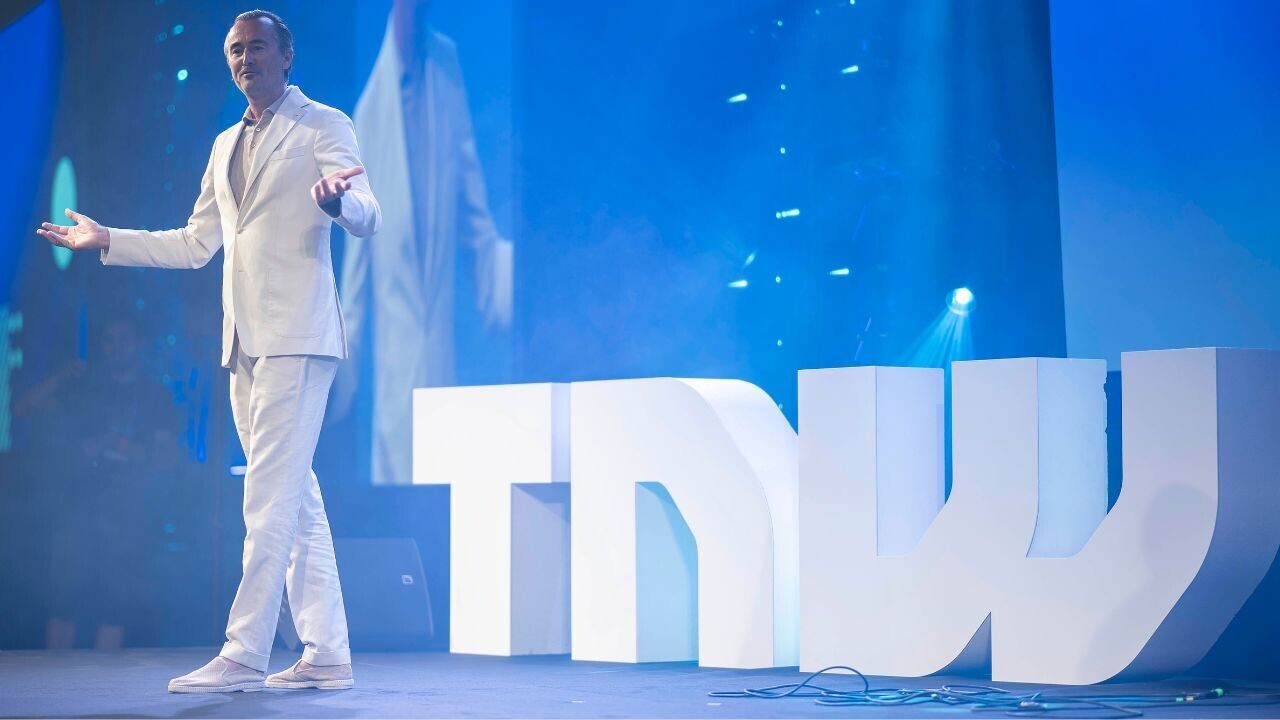
The Next Web, founded in 2006, is now approaching the end of its operational cycle. The events and media divisions are being concluded, with only TNW Spaces continuing. TNW Programs was sold previously and will also persist. There will be no further TNW Conferences, and new articles on the website will soon cease. This process involves job losses, yet it feels both natural and logical. Despite initial ambitions and optimism when TNW was sold to the FT in 2019, and a desire for the company to have a longer lifespan, the current struggles have led to a comfortable acceptance of the company ending gracefully.
Reading a compelling book often brings a moment near the end where the pace slows, reluctant for the story to conclude. These moments are cherished, signaling a truly good experience. However, it is also understood that good stories require fitting conclusions. This marks the ending of a significant story that has been a pleasure to be a part of.
Writing will continue, but this serves as the final official TNW article. Readers are invited to subscribe to future writing on Substack, which will be less tech-focused and more unpredictable, yet equally insightful.
Signing off.
