


Many users have experimented with Linux before returning to Windows. However, some have committed to a single Linux distribution, especially when managing powerful desktop components like an RTX 4090 GPU. Utilizing a mini PC as a daily driver can make switching between operating systems a more practical option.
Discussions on social media platforms often reveal a less than positive perception of Windows 11. This sentiment was intensified by Windows 10’s End-of-Life status, which compelled many users with older hardware to either extend their current OS or upgrade to Windows 11.
The minimum hardware requirements for Windows 11 presented a barrier for some users. However, those with technical knowledge often found ways to bypass these requirements. This issue would be more significant if most everyday users were eager to upgrade, which did not appear to be the prevailing sentiment in 2025.
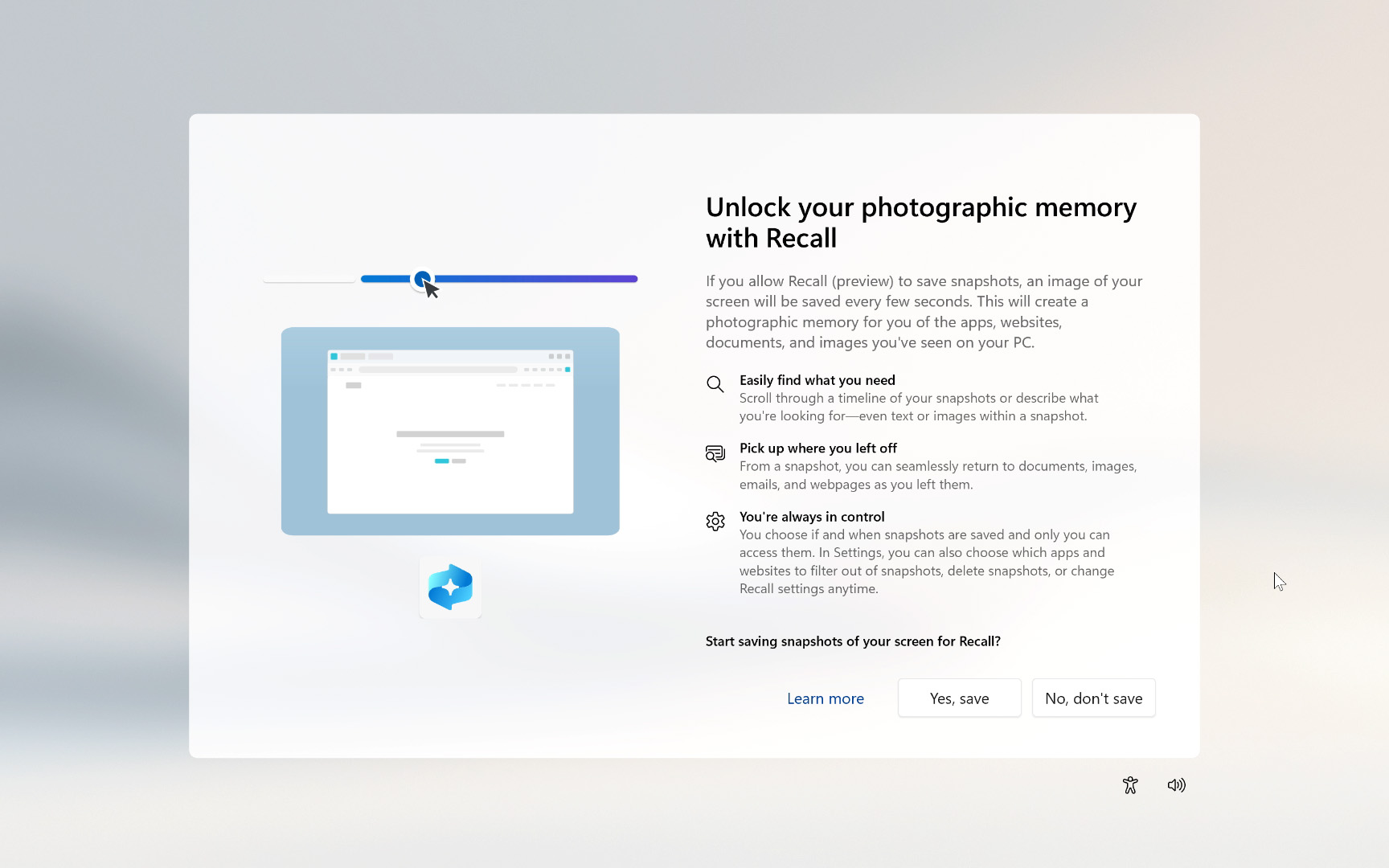
Recall was arguably the most controversial AI-centric addition to Windows in recent memory.
A recent inquiry to the community regarding “What’s wrong with Windows 11?” revealed common complaints about the Start menu and high memory usage in official applications. Additionally, many expressed concerns about the excessive integration of artificial intelligence in areas where it might not be necessary, such as Copilot in Notepad.
The widespread integration of local and cloud-based AI appears to be a significant factor for the future of Windows, with Microsoft showing no signs of altering its strategy. The impact of this approach depends on whether more AI functions become mandatory, potentially leading to reduced user control. This could result in a scenario similar to previous End-of-Life situations, where users resist upgrading.
The “Iron Wall” is familiarity, not compatibility

Valve’s efforts with Linux in its hardware have made it a viable OS for PC gaming.
If a significant number of users consider switching operating systems, potential alternatives include Linux or Apple’s macOS. While Linux may lack native support for some popular applications, many open-source alternatives are available, making the app compatibility issue less critical than it might initially appear.
However, Linux is not without its imperfections; hardware can sometimes behave unexpectedly across different distributions. While solutions often exist, spending considerable time troubleshooting in forums is not ideal for the average PC user. Currently, familiar-looking desktop environments have proven more successful in attracting dedicated Windows users to Linux.
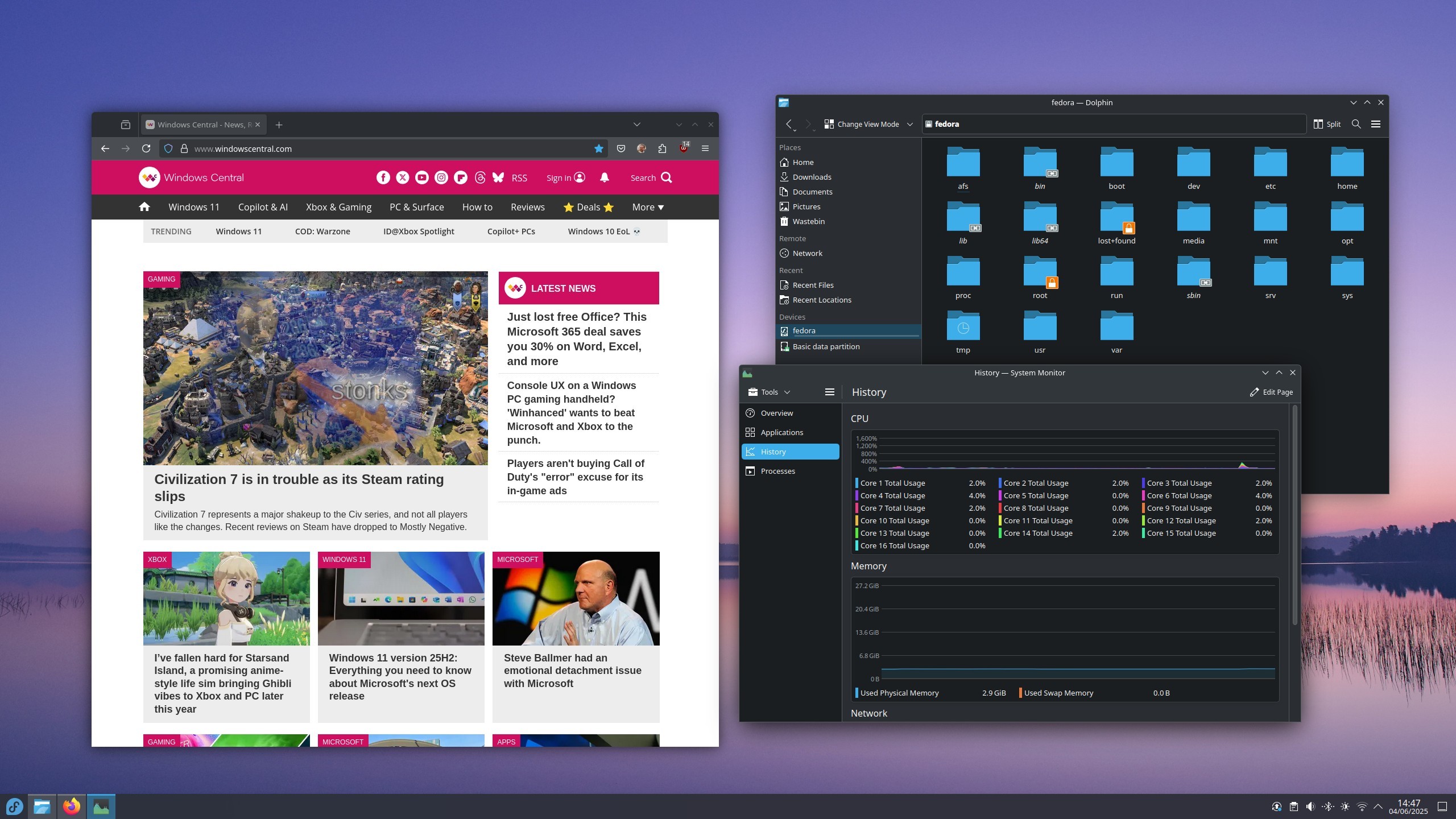
KDE Plasma offers a familiar desktop experience to Windows.
Desktop environments such as KDE Plasma and Cinnamon make distributions like Fedora and Linux Mint more accessible. KDE Plasma, in particular, provides a familiar interface, similar to what is found on Valve’s Steam Deck in Desktop Mode.
While gamers might perceive themselves as a significant portion of PC users, their actual demographic share is relatively small.
Other popular Linux alternatives include WINUX and Zorin OS. Zorin OS, with its customized GNOME shell, provides a comfortable transition for users migrating from Windows or macOS. For general productivity, Linux Mint is often recommended to new users, while Bazzite is promoted for PC gaming.
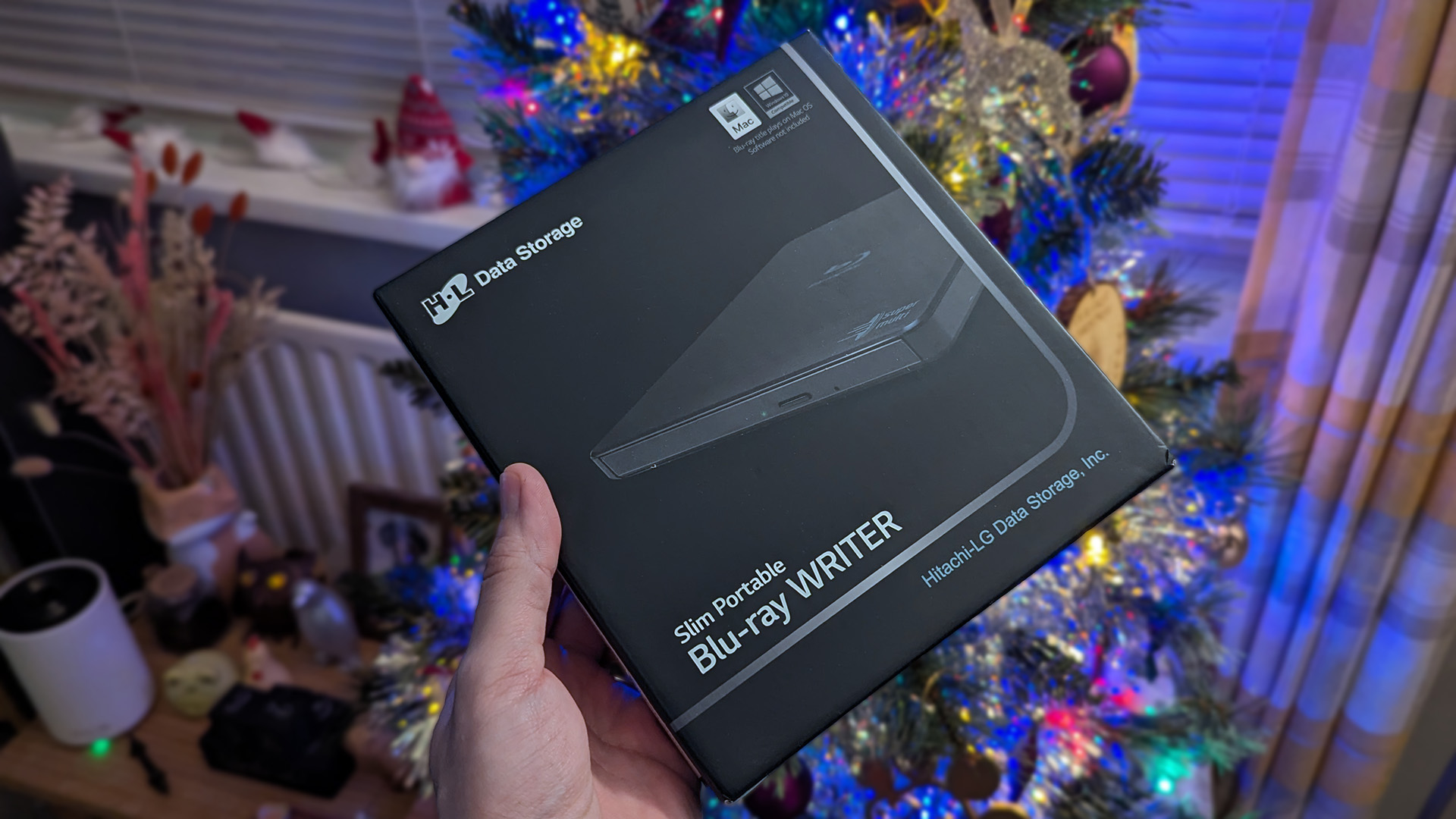
Ditching streaming services in favor of home media backups is a new hobby that will likely carry over into 2026.
Distributions like Bazzite might contribute to a minor shift from exclusive Windows 10/11 usage towards dual-booting with Linux, especially since it has demonstrated performance improvements in certain games. However, despite gamers’ self-perception, they represent a small fraction of the overall PC user base.
Despite Linux’s advancements, some users still encounter issues that lead them back to Windows 11. For instance, attempts to back up Blu-ray collections using external drives can result in errors on Linux, requiring troubleshooting that many users may not have time for. On a primary Windows drive, applications like Adobe‘s suite often function seamlessly, though some app preferences are acknowledged as habitual.
Despite early indications of shifting OS adoption, Microsoft is unlikely to lose its dominant position as a desktop OS manufacturer within the next decade. Any future user apprehension would likely stem from how the company manages the integration of agentic AI in upcoming Windows versions.
Will Microsoft even build a ‘Windows 12’ or will it drop the numbering altogether?
While AI ethics may not be a primary concern for the majority of users, negative community reactions to developments like Firefox’s optional AI implementations and a general anti-AI sentiment on social media cannot be overlooked.
Windows remains deeply embedded in the global technology landscape, making minor percentage shifts in adoption unlikely to pose an immediate threat. Apple’s macOS would likely achieve greater market penetration before Linux could significantly challenge Windows’ dominance, particularly if more affordable MacBooks become widely available in 2026.
However, the current RAM crisis could make affordable computing a distant possibility. Anticipation for CES 2026 includes hopes for positive developments in this area. There is also potential for Microsoft to restore user trust through genuine innovation in the coming year, moving beyond repetitive updates and avoiding product cancellations.
