


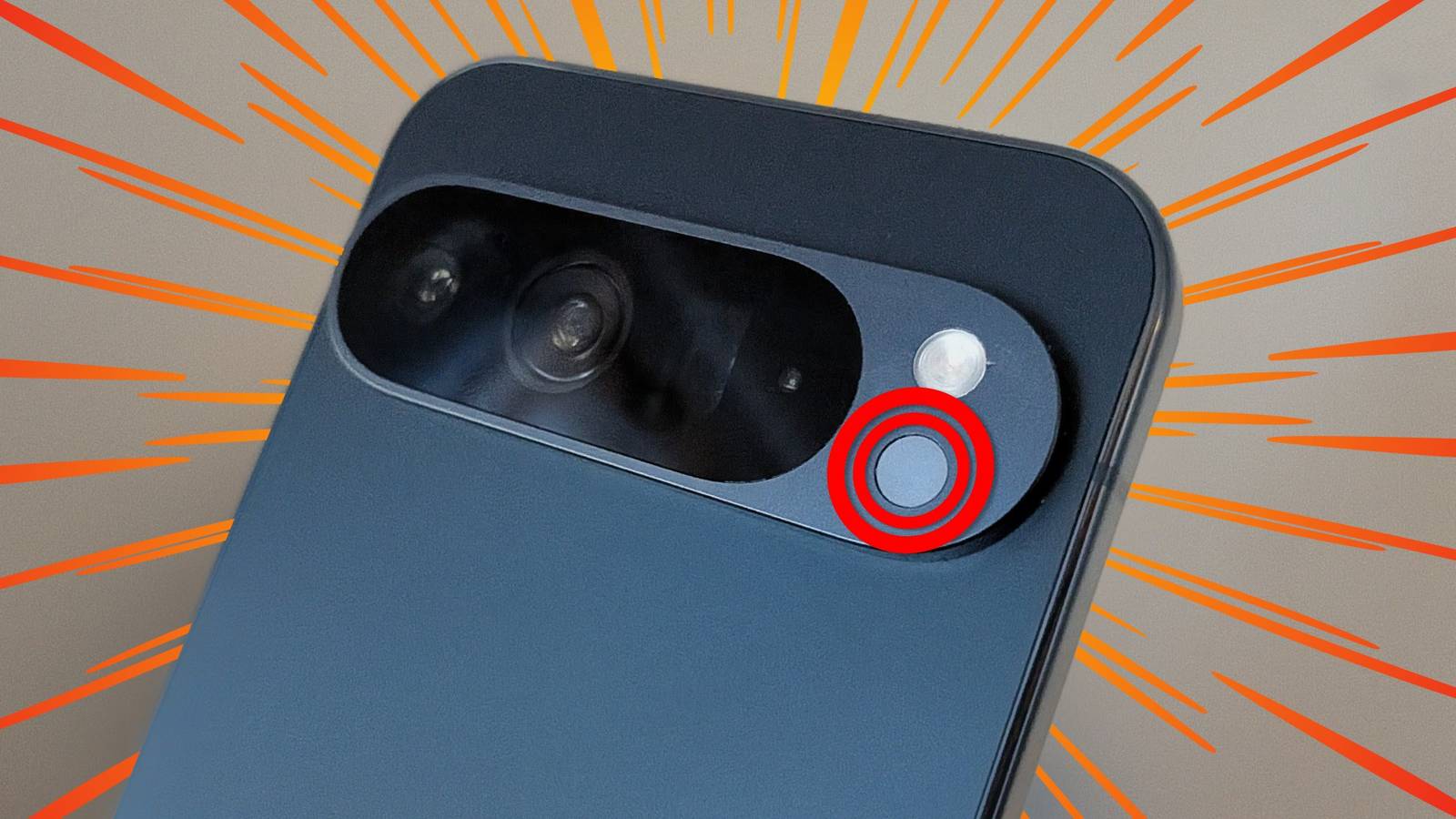

Most smartphones typically feature only cameras and a flash on their rear. However, recent Google Pixel Pro models include a subtle, additional circle near these lenses, which provides a unique capability not found in most other phones.
A Niche but Distinctive Sensor
Smartphone design has largely converged, with manufacturers primarily focusing on faster processors, brighter displays, and improved camera sensors. While Google also participates in this trend, the company introduced an unconventional addition with the Pixel 8 Pro: an infrared temperature sensor discreetly placed on the camera bar. This sensor has been a consistent feature in subsequent Pixel Pro generations.

When the temperature sensor first appeared in 2023, its timing seemed somewhat delayed, as the period of frequent fever checks had largely passed. While checking body temperature is undoubtedly useful, this capability extends beyond a single scenario. The sensor enables several surprisingly practical applications that are absent from nearly all other smartphones.

Beyond Health Monitoring
The most apparent use for a temperature sensor is measuring body temperature, which it performs effectively. However, its true versatility emerges when directed at objects other than the human body. The Pixel’s Thermometer app allows users to measure temperatures for food, liquids, and cooking surfaces. It can also provide a general temperature reading for any object it is pointed at.
This feature proves remarkably useful in the kitchen. While some individuals invest in specialized infrared thermometers to gauge pan temperature before cooking, the Pixel Pro offers this functionality directly. Users can hold the phone a few inches away from a pan to determine if it has reached the ideal temperature for cooking, such as searing a steak. A notable limitation is its maximum reading of 392°F.
The sensor also serves as a practical tool for home use. It can be utilized to detect drafts around openings like sliding patio doors by moving the phone along the edges and observing temperature fluctuations. Similarly, the sensor can be held against a wall to assess its temperature. It can even be used to compare ambient air temperatures between different rooms within a house.
Regarding body temperature measurement, Google secured FDA approval for this feature in 2024. Clinical trials demonstrated an accuracy within a margin of error of plus or minus 0.54°F for temperatures between 96.9°F and 104°F. To use it, the sensor is held very close to the forehead and then slowly moved towards the temple. While theoretically reliable, a dedicated thermometer might still be preferred for critical readings.
A Pro-Exclusive Feature
Those interested in experiencing this feature should note that it is not available on all Pixel phones. Google has restricted the temperature sensor to its high-end “Pro” models, excluding the Pixel Fold, as well as standard models like the Pixel 8, Pixel 9, and Pixel 10. This differentiation seems unusual for a feature that may not be a primary selling point for the more expensive Pro models, yet it remains an exclusive offering.
The inclusion of this sensor highlights that smartphones can still offer innovative and distinctive capabilities. Google demonstrates a willingness to experiment with features that might initially appear unconventional. While a minimalist approach has been prevalent in smartphone design, Google has introduced a method for users to interact with the physical environment in a new way. It would not be surprising if future Pixel series, such as the Pixel 11, do not include the temperature sensor, but its current presence is appreciated.
