


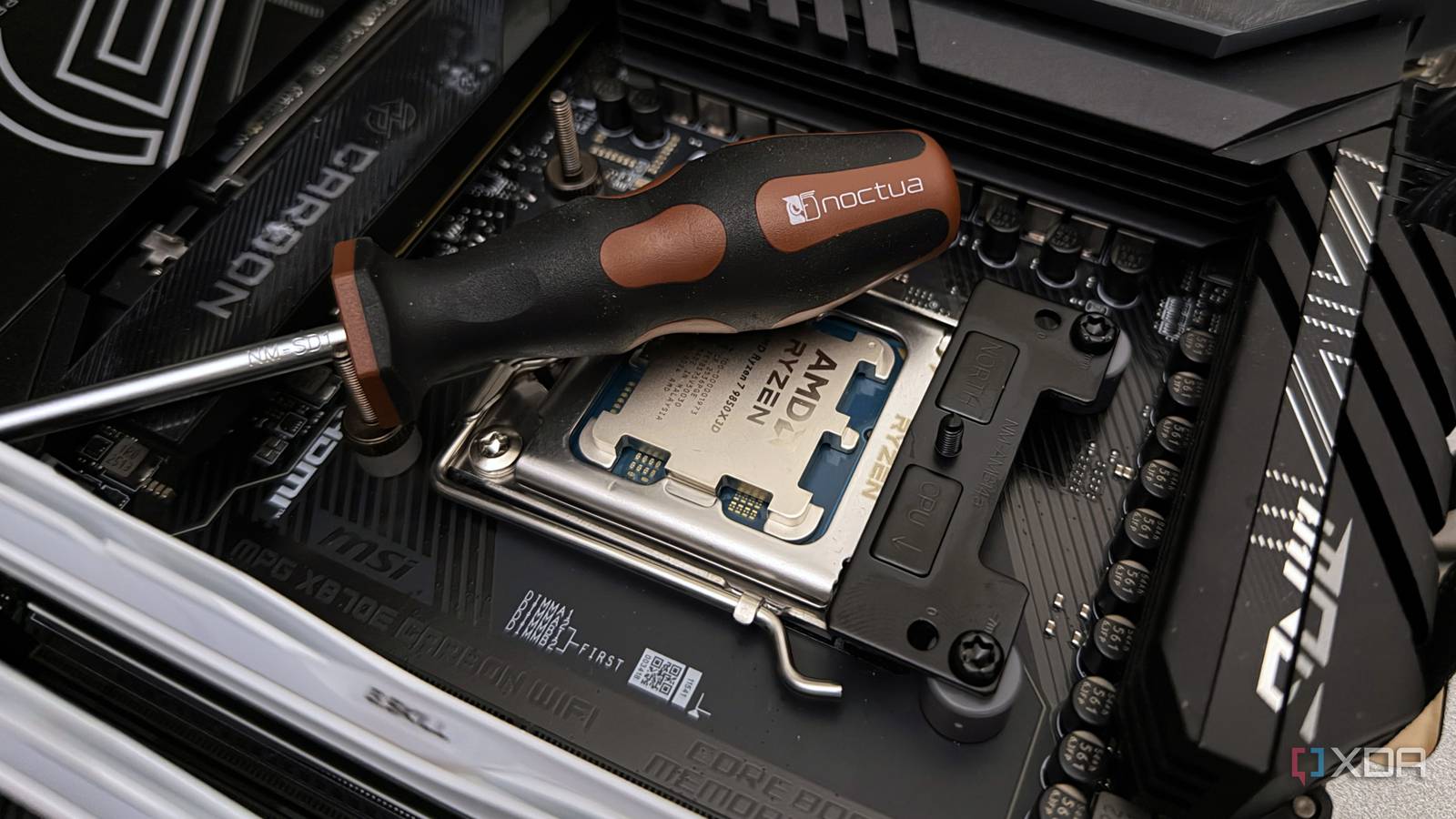
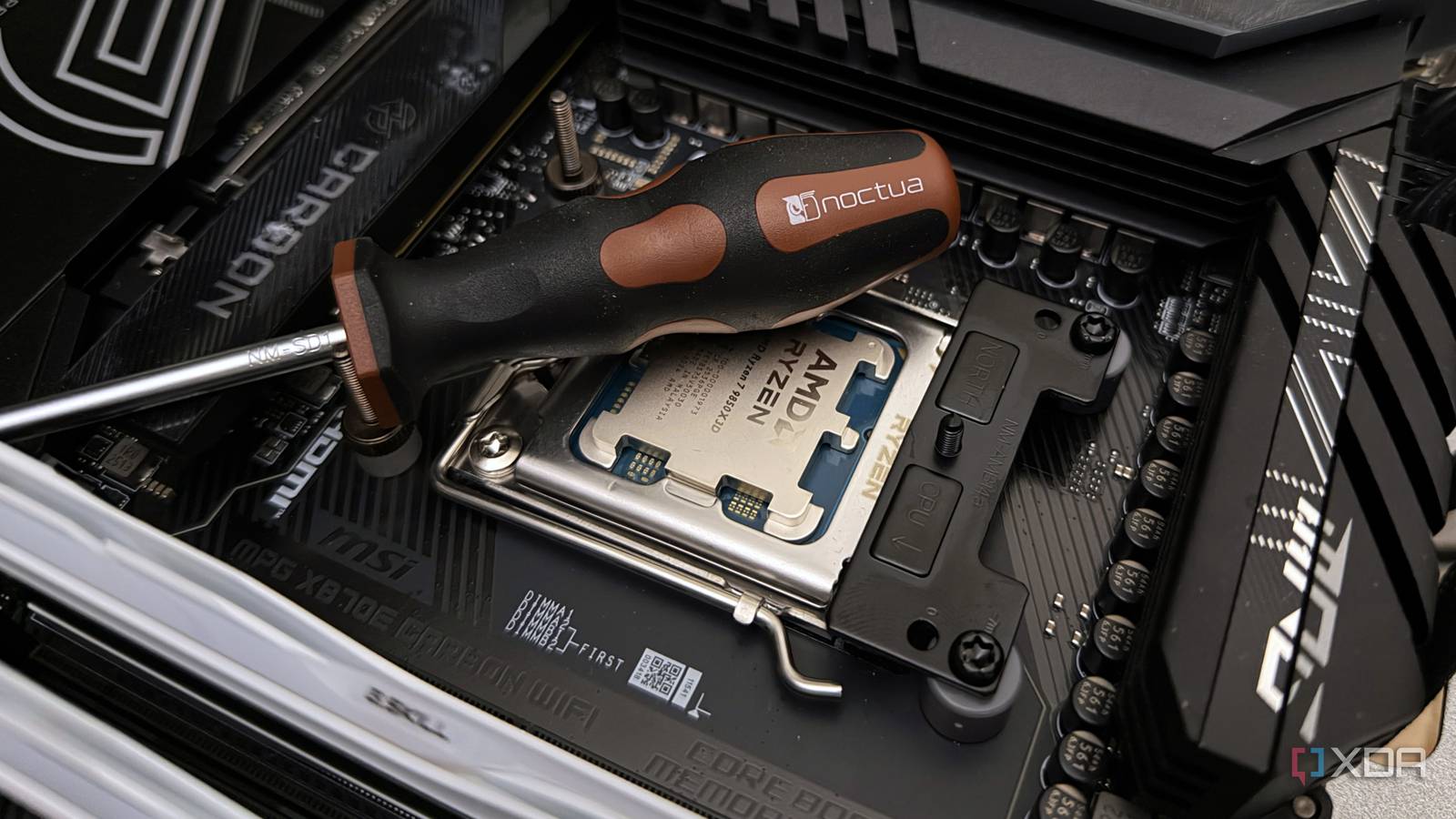
Those with experience in PC building may have encountered situations involving “janky” setups or the installation of questionable components due to budget constraints. While the risks of hardware failure are understood in such scenarios, brand-new components are generally expected to function without issues upon purchase.
However, discussions on online forums often present a different narrative, featuring reports of burnt CPUs, damaged sockets, severe power connector failures, and even risers catching fire. These anecdotes can create the impression that modern hardware is highly susceptible to failure. While this perception holds true in very specific instances, the overall reliability of contemporary PC hardware remains robust, despite these isolated reports.
PC Hardware Failure Rates: Perception vs. Reality
Online Discussions Suggest a Decline in Quality
A review of various online forums might lead one to believe that the overall quality of PC hardware has diminished. While certain failure modes can be attributed to design flaws rather than poor quality assurance, both factors contribute to a product’s overall quality.
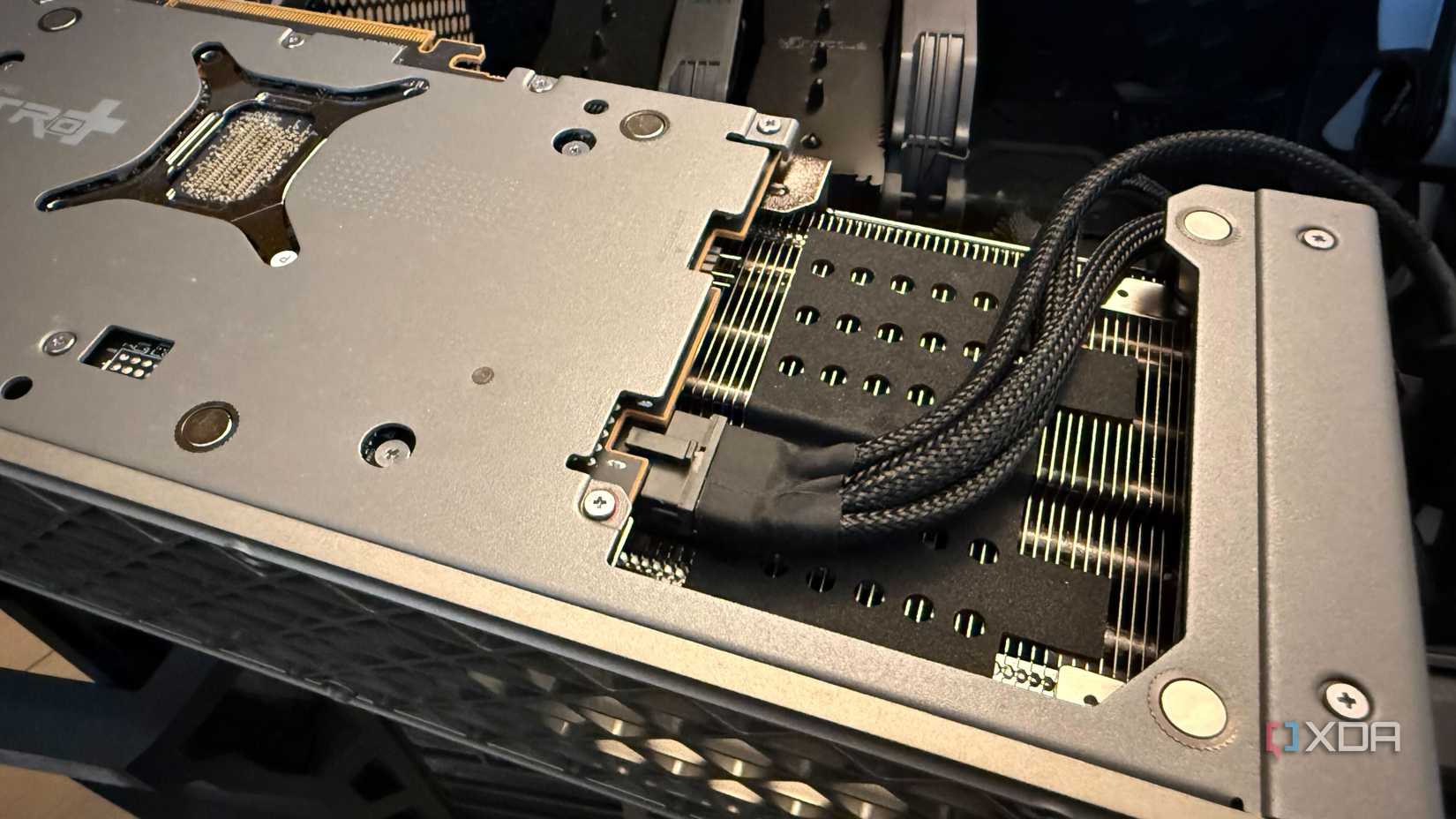
The 12VHPW connector, found on recent Nvidia RTX GPUs and some RX 9000 GPUs, exemplifies a design-related failure. Improper insertion or sharp cable bends can lead to catastrophic connector failure. In 2025, numerous reports and images of expensive graphics cards burning up circulated widely on forums.
Regarding quality assurance, the Ryzen 7 9800X3D serves as a recent example. Users reported severe CPU failures, including burning on the pads and pins, and sometimes a bubble forming on the CPU’s underside. These issues appeared to primarily affect ASRock motherboards, prompting a Reddit megathread to document failures. The precise cause of these CPU failures remains under investigation, with no definitive root cause identified. Attempts by individuals like Wendel from Level1Techs to replicate the failures on ASRock motherboards have been unsuccessful.
These two instances represent some of the most prominent hardware failures observed in recent years. Their widespread visibility contributes to the perception that hardware is more fragile than ever. While these are legitimate concerns warranting thorough investigation, they do not accurately reflect a general decline in the overall quality of PC hardware.
Hardware Pushing Performance Limits
Catastrophic Failures Often Stem from Other Factors
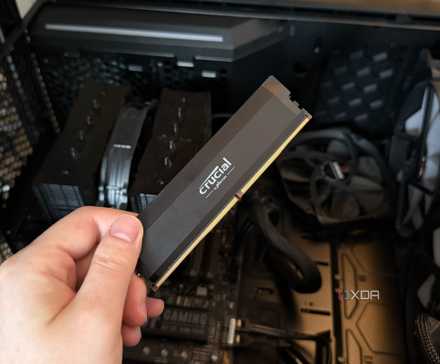
The 9800X3D CPU failures, while seemingly linked to the increasing physical and technical demands on PC hardware, are more likely attributable to faulty firmware. It is accurate, however, that hardware is being pushed closer to its operational limits. For instance, the DDR5 standard can be quite sensitive, even within JEDEC specifications. Moving beyond these standardized speeds to XMP/EXPO profiles can introduce unexpected behavior. DDR5 modules have stricter signal integrity requirements, more intricate training processes, and tend to operate at higher temperatures compared to DDR4.
System crashes resulting from incorrect memory training or unstable XMP profiles are now more frequent. While these issues typically do not lead to component combustion, they contribute to a perception of system instability. Fortunately, such problems are often resolvable through configuration adjustments, and the majority of users operate their DDR5 memory and X3D CPUs without issues at their specified speeds across various motherboard brands.

Actual Failure Rates Remain Acceptable
Most Components Demonstrate Strong Reliability
Current PC hardware generally matches or surpasses previous reliability standards, a claim supported by available data. Puget Systems, a respected system integrator in Washington, USA, annually publishes reports detailing the most reliable PC hardware based on their internal failure rates, a practice they have maintained consistently since 2012.
Their 2014 data indicated an overall failure rate of 2.34% for GeForce GPUs. In contrast, their 2025 report shows NVIDIA Founders Edition consumer GPUs with a 0.25% failure rate within their dataset. While this comparison doesn’t encompass the entire GPU market, it significantly demonstrates that, within a large and consistent build environment, GPU reliability is not declining; rather, it appears to have improved. Furthermore, Puget’s recent findings place motherboard failure rates at an average of 5% to 6% (with many issues identified before system shipment), which aligns with industry expectations. Motherboards are intricate components, and “failure” can range from genuine dead-on-arrival defects to instability caused by default firmware settings, memory training, or specific compatibility issues. Interestingly, Puget’s data also suggests that Ryzen 9000-series X3D CPUs are more reliable than the broader 9000 family, offering additional insights.
The Value of Anecdotal Evidence
Staying Informed About Specific Component Issues
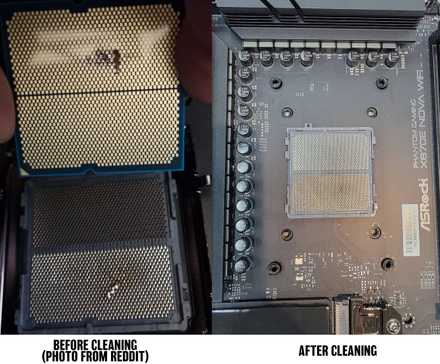
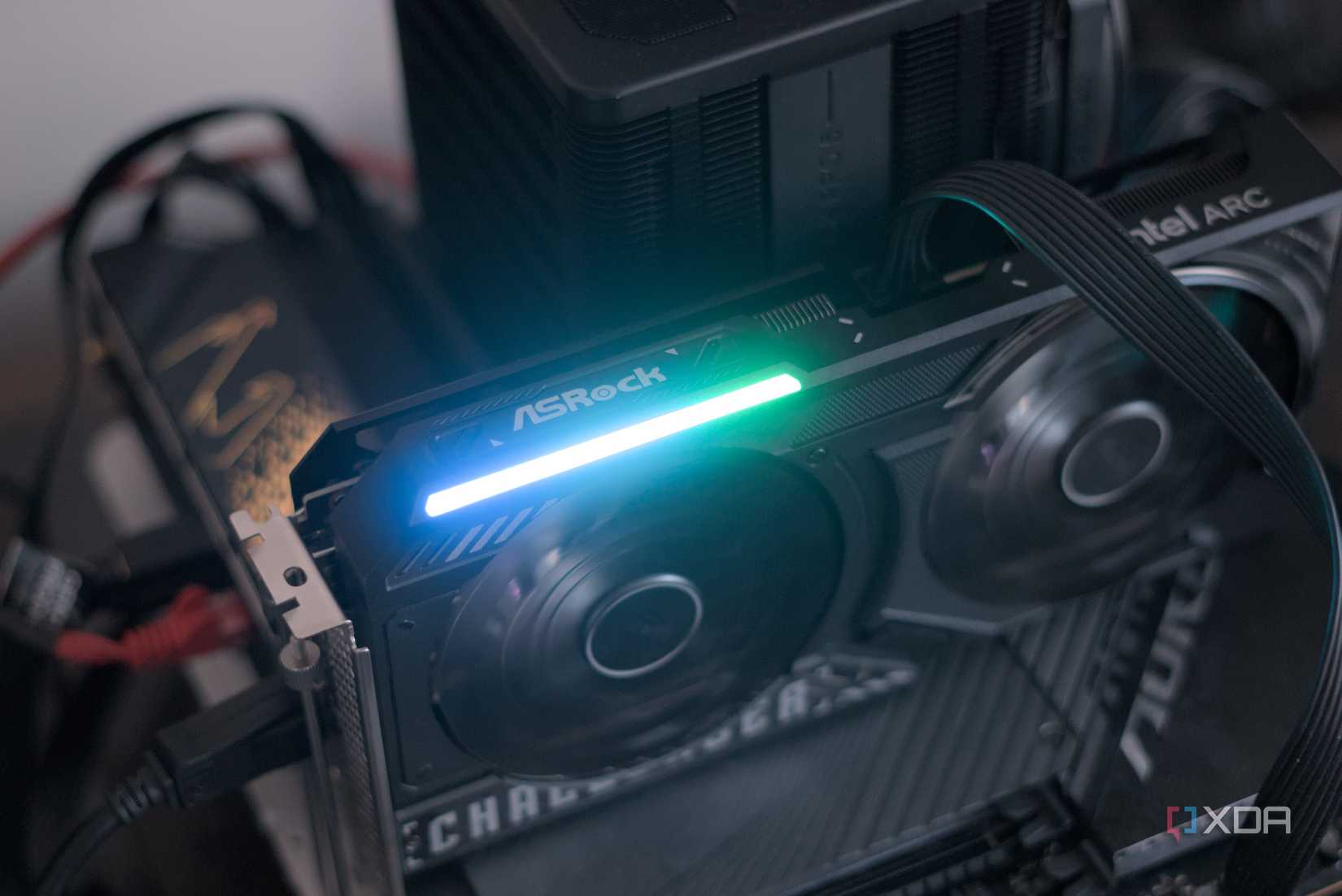
While overall data indicates strong reliability, anecdotal reports are not without merit. They offer valuable short-term insights into the reliability of particular component combinations. For instance, current anecdotes suggest exercising caution when pairing an ASRock motherboard with an X3D CPU. This does not imply a blanket condemnation of ASRock products, but rather highlights a specific combination that warrants temporary vigilance. The 12VHPW connector failures and 9800X3D-related incidents are considered isolated edge cases, not indicators of a widespread decline in PC hardware quality.
Contemporary PCs Offer Exceptional Reliability
Across most component configurations, modern PC hardware maintains a level of reliability comparable to, or even exceeding, previous generations. While it is prudent to exercise caution with components that have a documented history of short-term issues, a typical system is no more prone to failure than it was a decade ago. In fact, contemporary systems are often more performant, stable, and reliable than ever before.
