


With some regions experiencing their warmest winter temperatures in decades, many dog owners are eager to explore trails with their pets. However, it is advisable for pet owners across the country to exercise caution before embarking on outdoor adventures.
Unseasonably warm temperatures create a challenging “false spring” period for those looking to start outdoor activities early. Mild days can rapidly turn into cold spells, and many hiking trails still feature icy or muddy patches. There can be a strong urge to maintain the same hiking pace as during warmer seasons.
These obstacles are manageable. Pet owners can still enjoy these initial sunny days and prevent emergency vet visits by adopting smart hiking practices and considering advanced pet tech.
Navigating Unpredictable Winter Weather
This winter has brought not only warmth but also significant unpredictability. For instance, South Florida recently experienced “sea smoke,” a rare event caused by frigid air meeting warmer ocean waters. Shortly after, forecasts suggested the region might reach record-high temperatures. This pattern of rapid temperature shifts, dubbed “winter whiplash,” is occurring nationwide due to the current La Niña.
Early-season hikers should remain vigilant on trails, even when starting under clear skies. Should weather conditions shift, reliable gear is essential. Carrying an emergency “space blanket” is recommended for sudden temperature drops, along with extra water, food, and a flashlight for visibility once the winter sun sets.
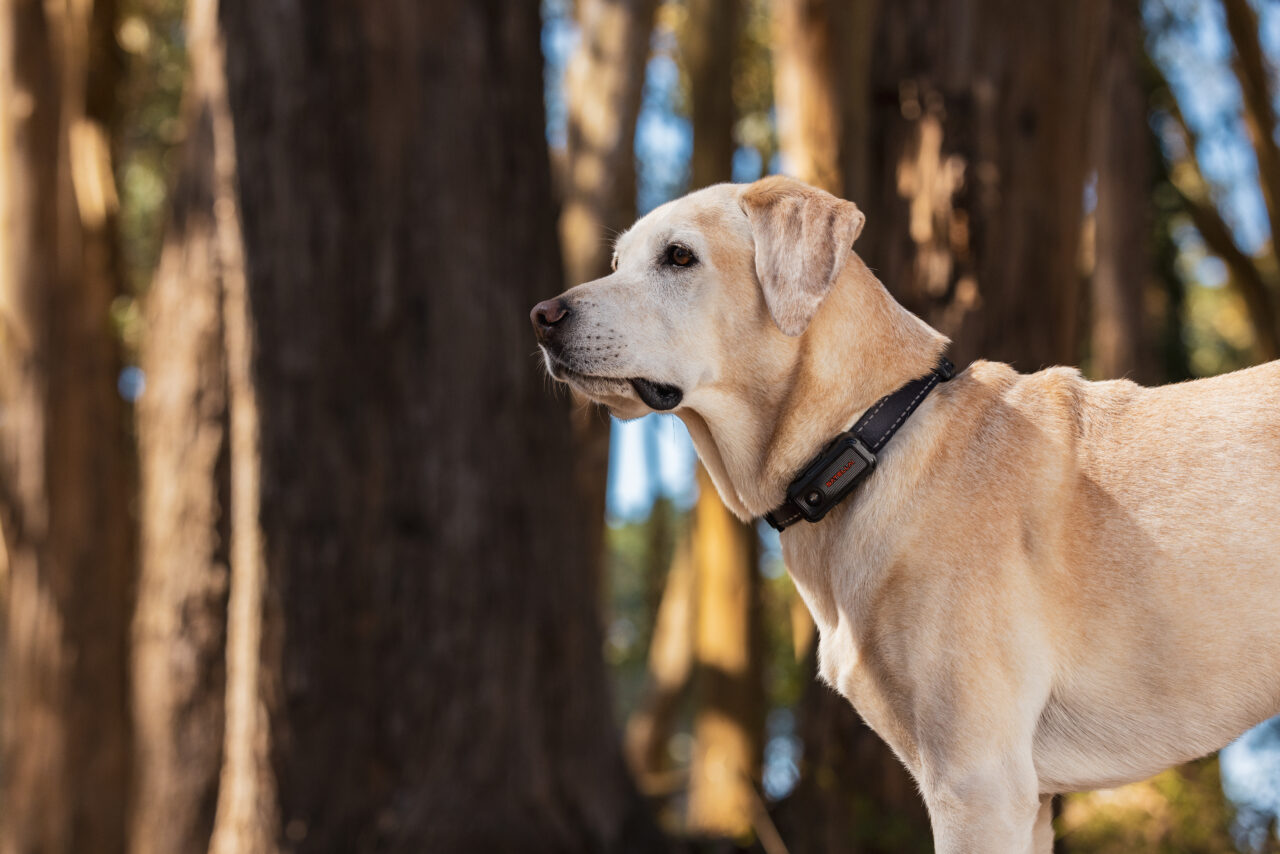
A smart wearable collar, such as the SATELLAI Collar Go, can be a valuable addition. Designed for challenging environments, this durable, GPS-enabled pet wearable is well-suited for “winter whiplash” conditions. It offers a 15-day battery life and an IP68 waterproof rating, ensuring functionality during unexpected rain or snow. A built-in “Starlight” feature with Steady, Pulse, or Strobe modes helps keep a dog visible if daylight fades sooner than anticipated.
Potential Hazards on Thawing Trails
Even with stable weather, trails often present different conditions compared to fall or summer. Shaded sections, in particular, may remain frozen, and isolated ice patches can be as hazardous as fully frozen trails.
Beyond hidden ice, other dangers can affect dogs on trails. Pet owners should also be aware of:
- Puddles: Avoid all puddles and standing water, which might harbor leptospirosis, a harmful bacterium. Puddles with a blue or green hue, especially in parking lots or asphalt areas, could contain antifreeze, which is appealing but highly toxic to dogs.
- Rock salt: While effective for melting ice, commercial rock salt can irritate or burn a dog’s paw pads. It is important to rinse a dog’s feet with lukewarm water after walks during this season.
- Foxtails: These sharp grass seeds become a hazard as soon as warmer weather arrives, including during “false spring.” Foxtails can lodge between a dog’s toes and penetrate the skin, leading to painful infections.
To enhance preparedness, a smart collar, such as those offered by SATELLAI, can be beneficial. These devices utilize on-board AI to detect immediate changes in a dog’s “Walking + Running Patterns,” offering an early indication of potential issues.
Preparing for the Season’s Initial Hikes
Following a winter of reduced activity, a strenuous hike can be demanding for any dog. It is crucial to start slowly and avoid overexerting a dog that is not in peak condition, especially in warmer temperatures. If signs like stiff or weak muscles, reduced agility, or rapid heartbeat/panting are observed, an immediate break is necessary.
The SATELLAI Collar Go can assist in determining when to pause or conclude a hike. This wearable creates an AI-powered “Digital Twin,” establishing a health baseline for dogs. By continuously gathering data on a dog’s rest and activity, the Collar Go can promptly identify overexertion, indicating when a water break or return home is advisable.
Even without a smart collar, several steps can be taken to ensure safety and enjoyment during an early spring hike:
- Start Small: Begin with short, 30-minute walks for two weeks to gradually build strength.
- Protect the Paws: Utilize dog boots or a specialized paw wax (such as Musher’s Secret) to shield against sharp ice and salt.
- Hydrate Early and Often: Dogs exert more effort in the humid conditions of “false spring” compared to dry winter air. Carry ample water.
Pet owners can avoid being unprepared for “False Spring.” While predicting winter weather is challenging, adequate preparation can transform a potentially risky outing into an enjoyable afternoon. Whether guided by personal judgment or smart collar insights, the goal is always to return from the trail with a content, healthy dog.
