




Many Windows users now find WSL (Windows Subsystem for Linux) so advanced that they see no need for a full Linux installation. While this workflow suits some, Windows still lacks enough compelling reasons for a complete switch.
WSL has admittedly improved over the years
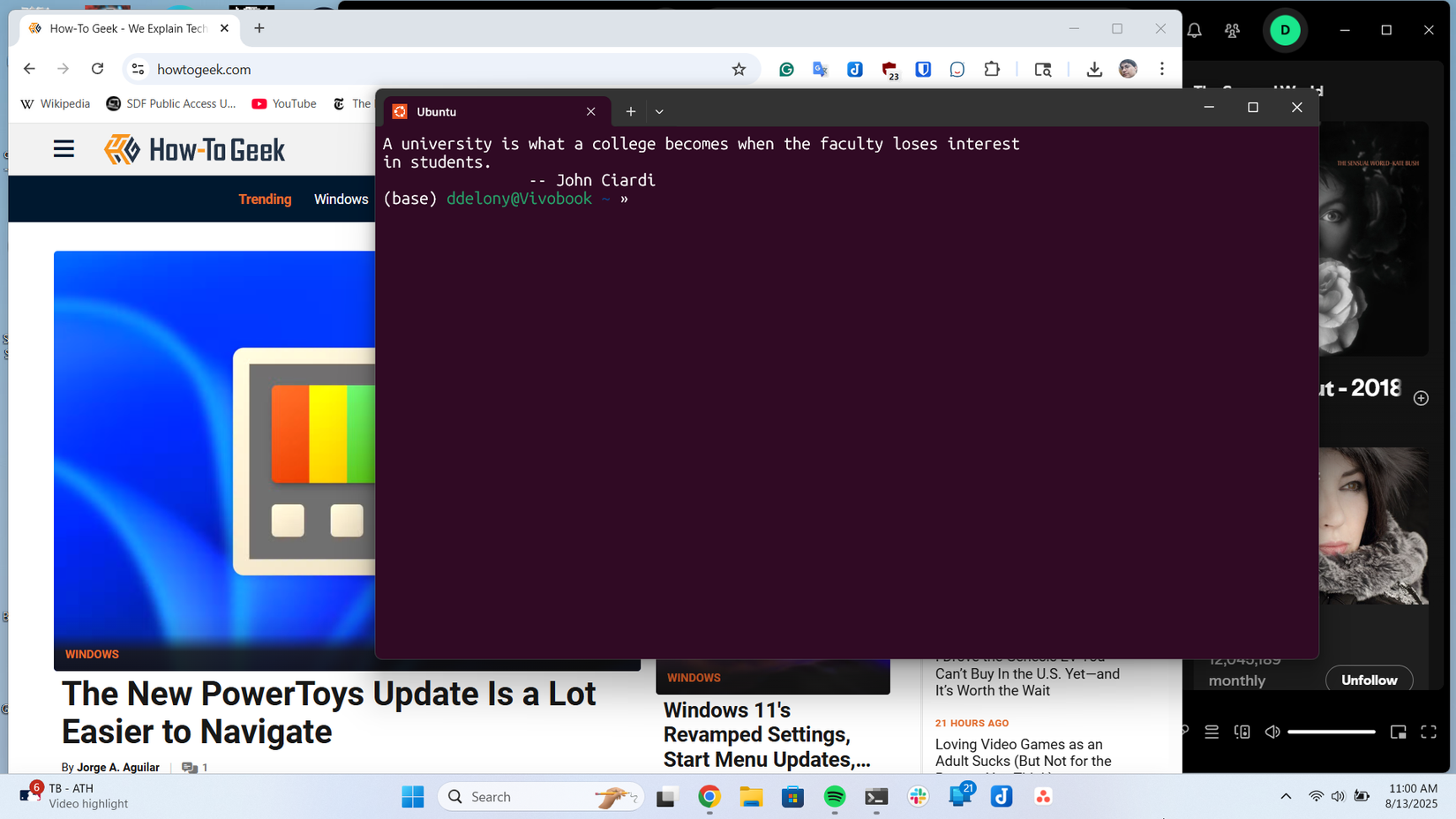
WSL has significantly evolved since its initial release in 2016. It has transformed from a basic compatibility layer into a robust system featuring a genuine Linux kernel running within a virtual machine, allowing nearly any Linux application to function.
Reports indicate that many users find WSL’s current capabilities sufficient for their Linux application needs. This demonstrates Linux’s adaptability, enabling users to leverage its benefits even while primarily using Windows.
However, for someone who has fully transitioned to Linux, Windows would need to provide substantial advantages to justify a return, even with WSL’s improvements.
The apps I need work on pure Linux
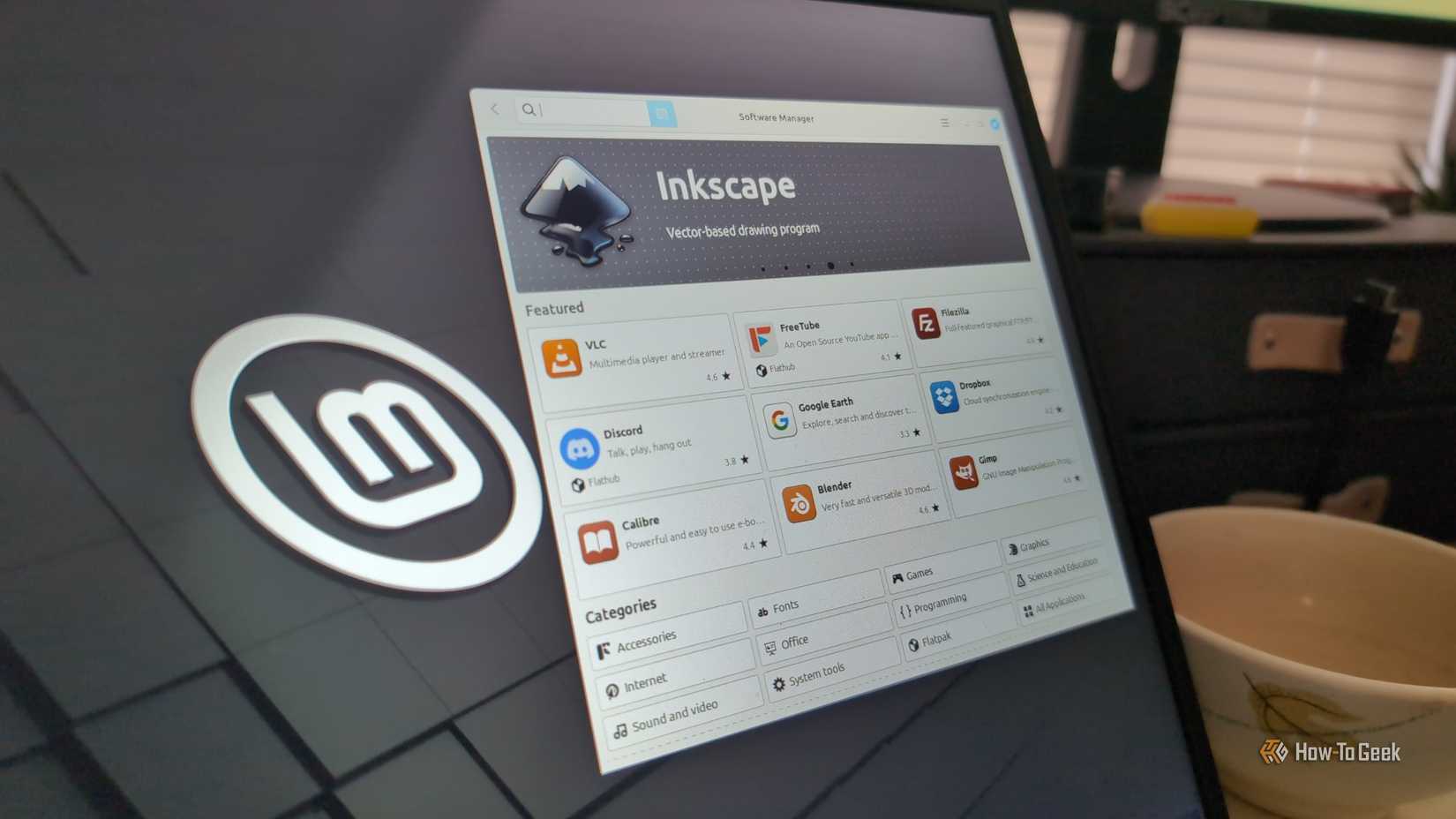
All necessary software for work and leisure functions effectively on Linux. While Windows-exclusive applications exist, they typically cater to specific industries or niches not relevant to this user.
Essential applications like password managers, cloud services, document editors, web browsers, photo editors, IDEs, notes apps, and media players all run natively on Linux.
Should a required application lack native Linux support, the Wine compatibility layer and its derivatives often facilitate running many Windows applications and games. While not universally compatible and introducing some resource overhead, this solution is often effective.
These minor drawbacks are insufficient to prompt a return to Windows as a primary operating system.
Copilot gives me the ick

Even if circumstances demanded a Windows-exclusive application, a full transition to Windows would be resisted due to the integration of Copilot.
While acknowledging the utility of LLM assistants for occasional, low-stakes tasks such as brainstorming, their convenience and ease of use are clear, sometimes yielding valuable ideas.
The constant presence of an LLM for every task is unnecessary. Microsoft’s persistent integration of Copilot into every aspect of Windows and its applications, with continuous prompts, ranges from mildly irritating to highly frustrating.
Furthermore, concerns exist regarding the ethical implications of “AI” marketing. Minimizing LLM usage aligns better with personal ethical considerations, a preference not supported by Windows’ current direction.
Windows feels more like a billboard than an OS

Even if Copilot were to vanish from Windows, a return to the OS would still be unlikely due to the pervasive nature of Microsoft Advertising.
When using Windows in a dual-boot configuration, the sheer volume of advertising, present in the search bar, start menu, and news widget, is striking, making it feel difficult to perform tasks without encountering sales pitches.
Beyond third-party ads, Microsoft actively promotes its own services, with persistent prompts to purchase OneDrive storage, subscribe to M365, or upgrade existing M365 subscriptions.
Microsoft Edge is another point of contention, as Windows 11 aggressively pushes its use, often making it difficult to install alternative browsers or change default settings. This persistent encouragement, combined with Microsoft’s documented use of dark patterns—such as creating Google-like skins for Bing and recommending settings that revert browser choices—further deters a return to the OS.
Given these factors, maintaining a preference for Linux despite WSL’s utility seems reasonable. While some users require Windows for specific work or gaming needs, this is not a personal requirement.
Instead, the user enjoys using various free and open-source operating systems and desktop environments, including favorites like KDE Plasma and Arch Linux-based distributions, highlighting the abundance of quality non-Windows software.
