


An FBI ‘Asset’ Helped Run a Dark Web Site That Sold Fentanyl-Laced Drugs for Years
A staff member of the Incognito dark web market was secretly controlled by the FBI, yet allegedly approved the sale of fentanyl-tainted pills, including those from a vendor linked to a confirmed fatality.

Photograph: Salwan Georges/Getty Images
In a Manhattan courtroom recently, Arkansas doctor David Churchill recounted discovering his 27-year-old son, Reed, deceased from a fatal fentanyl overdose. His son was found “cold and dead and stiff,” as Churchill testified.
Churchill described the event as “the worst day of my life,” expressing profound grief alongside his wife. He stated that the family has been “gutted by this” and must live with it daily.
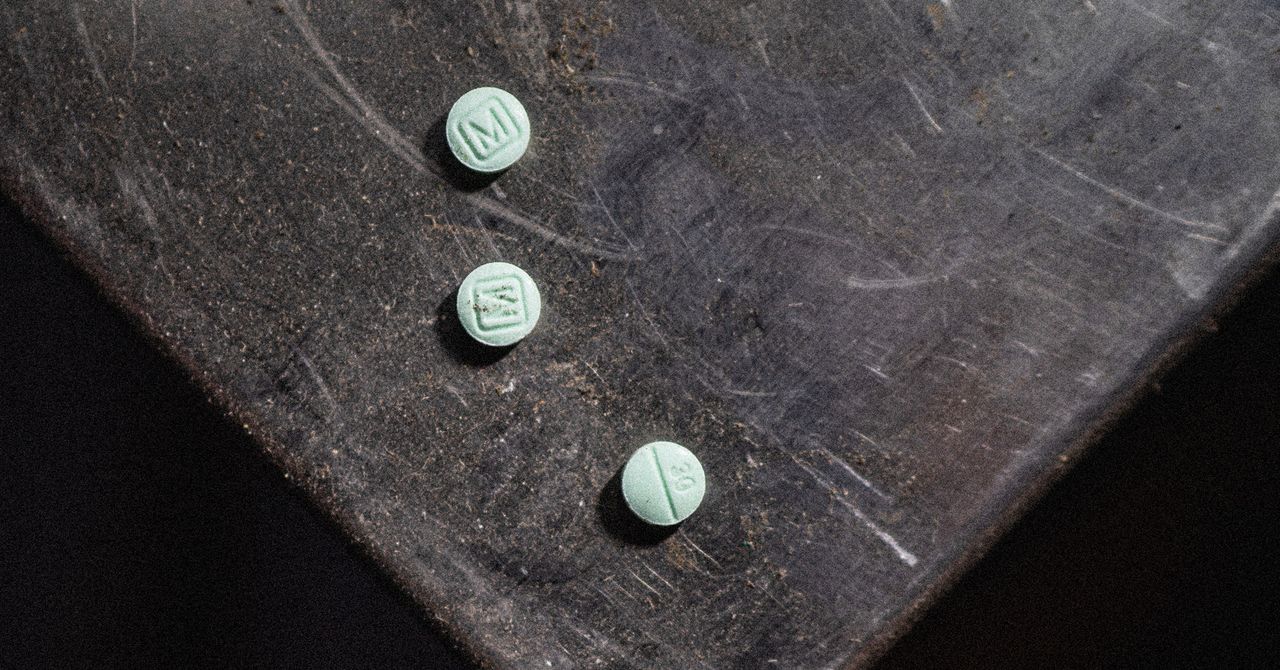
Churchill’s testimony occurred during the sentencing hearing for Lin Rui-Siang, a convicted administrator of the dark web drug market Incognito. This platform facilitated over $100 million in narcotics sales before its shutdown in 2024. Lin, a 25-year-old from Taiwan, received a 30-year prison sentence, one of the longest in US history for dark web drug sales. The fentanyl-laced pills, falsely sold as oxycodone, that caused Reed Churchill’s death were among the vast quantities of illicit drugs, including MDMA, meth, cocaine, and other opioids, sold through Incognito during its nearly four years online. Churchill directly addressed Lin in court, stating, “I want you to remember this face when you’re sitting in a jail cell.”
Minutes later, during the same hearing, Lin’s defense team publicly disclosed for the first time that another entity played a role in Incognito’s drug transactions, potentially including the specific pills that led to Reed Churchill’s death: the FBI.
During Lin’s sentencing and in court documents released recently, his defense highlighted an FBI informant who assisted in operating Incognito’s marketplace for nearly two years. This period saw the sale of significant quantities of narcotics, including fentanyl-laced opioids. The individual, identified in filings as an FBI “confidential human source,” served as a moderator. This role granted the power to remove vendors selling fentanyl, which was prohibited by the market’s rules. However, the informant allegedly, at times, approved the sale of products flagged as potentially containing the potent opioid.
Noam Biale, Lin’s defense attorney, informed the judge that “Mr. Lin ran this site in partnership with someone working at the behest of the government.” Biale asserted that “the government had the ability to mitigate the harm—and didn’t do it.”
Tainted Pills, Cleared for Sale
In a phone conversation from jail, Lin asserted that the unnamed informant was a full partner in Incognito, sharing an equal stake in the market and its profits. Lin claimed the informant, whose identity remains undisclosed, performed most of the moderator duties, resolving disputes and deciding which vendors could sell drugs and which would be removed.
Lin acknowledged managing Incognito’s code and technical infrastructure but stated that the informant directly handled a substantial portion of the site’s transactions. According to records of the informant’s communications with the FBI, the informant claimed to oversee “95 percent” of the site’s dealings. Lin commented, “They were literally running the site. They were running the day-to-day operations, every aspect you would expect of an actual administrator that doesn’t have technical skills.”
Conversely, newly unredacted sentencing memos in Lin’s case present the prosecution’s argument that the informant acted as Lin’s subordinate, following his orders rather than operating as an equal partner. The memo also criticized Lin’s efforts to attribute blame to the FBI for fentanyl sales. (The Department of Justice refrained from commenting beyond its court filings, and the FBI did not respond to inquiries.)
The prosecution’s filing asserted, “Lin cannot seriously dispute that the decision to allow opioid sales on Incognito was his own. And, Lin made that decision knowing full well that encouraging opioids is tantamount to welcoming fentanyl poisonings.”
However, sections of the defense’s sentencing memos for Lin highlighted several specific occasions where the FBI informant, under the direction of law enforcement handlers, allegedly made decisions permitting the sale of fentanyl-tainted products. In some instances, dealers were approved to continue sales even after explicit warnings that their drugs contained fentanyl, according to Lin’s defense memo.
For example, in November 2023, an Incognito user complained that a dealer on the site sold fentanyl-containing pills that hospitalized his mother. The message stated, “Someone almost died. Medical bills and the police. Not OK.” Despite this, the defense memo indicates the informant only refunded the transaction and did not remove the dealer from the market.
Shortly thereafter, another Incognito user reported that the same vendor sold pills that “ALMOST KILLED ME.” The informant, however, again permitted the dealer to remain active, facilitating over a thousand additional orders in subsequent months, as detailed in the defense memo.
Lin had implemented a system to flag product listings potentially involving fentanyl, using terms like “potent opioids.” However, the defense memo stated that the FBI informant was responsible for acting on these alerts. The informant reportedly ignored several warnings, including one concerning a vendor named RedLightLabs. In September 2022, RedLightLabs sold the pills found near Reed Churchill’s body after his overdose. (While the defense filing mentions the informant disregarded the RedLightLabs alert less than a week before Churchill’s death, the timing relative to the specific sale of those pills is unclear.) Michael Ta and Raj Srinivasan pleaded guilty in 2023 to operating the RedLightLabs account and selling fentanyl-laced pills that caused five overdose deaths.
Early in the informant’s involvement with the site—an infiltration Lin’s defense claims the FBI supervised from the outset—the informant and Lin discussed maintaining the market’s fentanyl ban. Court filings include only fragments of their text exchange. At one point, the informant appeared to present an argument from a user forum advocating for “the energy of free markets, allowing people to put whatever they want in their bodies,” as quoted by the defense. The prosecution argued that the informant was merely describing this viewpoint, not endorsing it, and instead advocated for “harm reduction.”
Following this discussion, Lin created a user poll to decide on lifting the fentanyl ban but then manipulated the results to justify keeping the ban. The prosecution’s filing, however, cited private messages from Lin stating that “the governance section is just PR and pretense anyway,” suggesting he did not genuinely believe the fentanyl ban was effective.
A Skeptical Judge
During Lin’s sentencing hearing, the prosecution defended the FBI’s investigative methods. Assistant US Attorney Ryan Finkel characterized the informant as merely a “moderator” on the site, while Lin held the more significant role of “administrator”—a distinction Lin’s defense disputed. Finkel argued that the FBI’s use of the informant was essential to identify and indict Lin, and to permanently dismantle the market. The informant knew Lin only by his market pseudonym, “Pharoah.” Finkel contended that while the informant might have temporarily disrupted the market, Lin could have re-established it on a different server if he remained at large.
Finkel stated to the judge, “The government didn’t run Incognito. The defendant did.” He further argued that the FBI needed to balance harm minimization with the investigative efforts required to apprehend Lin. Finkel concluded, “This was a difficult case to solve, but they solved it.” (Lin’s indictment cited blockchain-tracing evidence, the seizure of an Incognito server, and an email document confirming his involvement in the market.)
Judge Colleen McMahon, who presided over the case, expressed some skepticism regarding the prosecution’s arguments. During the hearing, she remarked, “I’m somewhat skeptical that the government, having infiltrated this operation, had to let it go on for as long as it did.”
McMahon also dismissed any differentiation between the informant’s role as a “moderator” or “administrator” of Incognito. She stated, “I don’t care what his title was. He was an FBI asset.”
Despite the revelations, McMahon sentenced Lin to 30 years in prison, asserting that the FBI’s role in the Incognito case did not diminish Lin’s own culpability. She told Lin, “The enormity of what you did outweighs any argument they could make, including the argument the government was complicit in this,” further stating that “the government is not on trial here.”
Lin’s defense recently filed an appeal, presenting an argument unrelated to the FBI informant: that Lin possessed diplomatic immunity as an employee of the Taiwanese consulate in St. Lucia. (Ironically, his consular duties included training law enforcement on combating cryptocurrency-related crime.)
David Churchill, the grieving father, revealed in a phone call that the sentencing hearing was his first awareness of the FBI informant’s involvement in Incognito’s drug sales, including the fentanyl-tainted pills sold to his son. However, he expressed “no ill will or animosity” toward the FBI regarding these new details.
Churchill stated, “I don’t want to throw the FBI under the bus. It won’t bring Reed back. But maybe next time, they could be a little bit more aggressive in shutting things down as soon as they understand what’s going on.”
Noam Biale, Lin’s lead defense attorney, emphasized that the core question is not merely why the FBI delayed shutting down Incognito, but why its informant did not proactively remove fentanyl listings from the market during that period. Biale asserted this remains an unanswered question from the government.
Biale concluded, “The informant could have just done the job he was hired to do, which was, in part, to keep fentanyl off the site. That would not have blown the cover of the FBI. And it could have saved lives.”
