


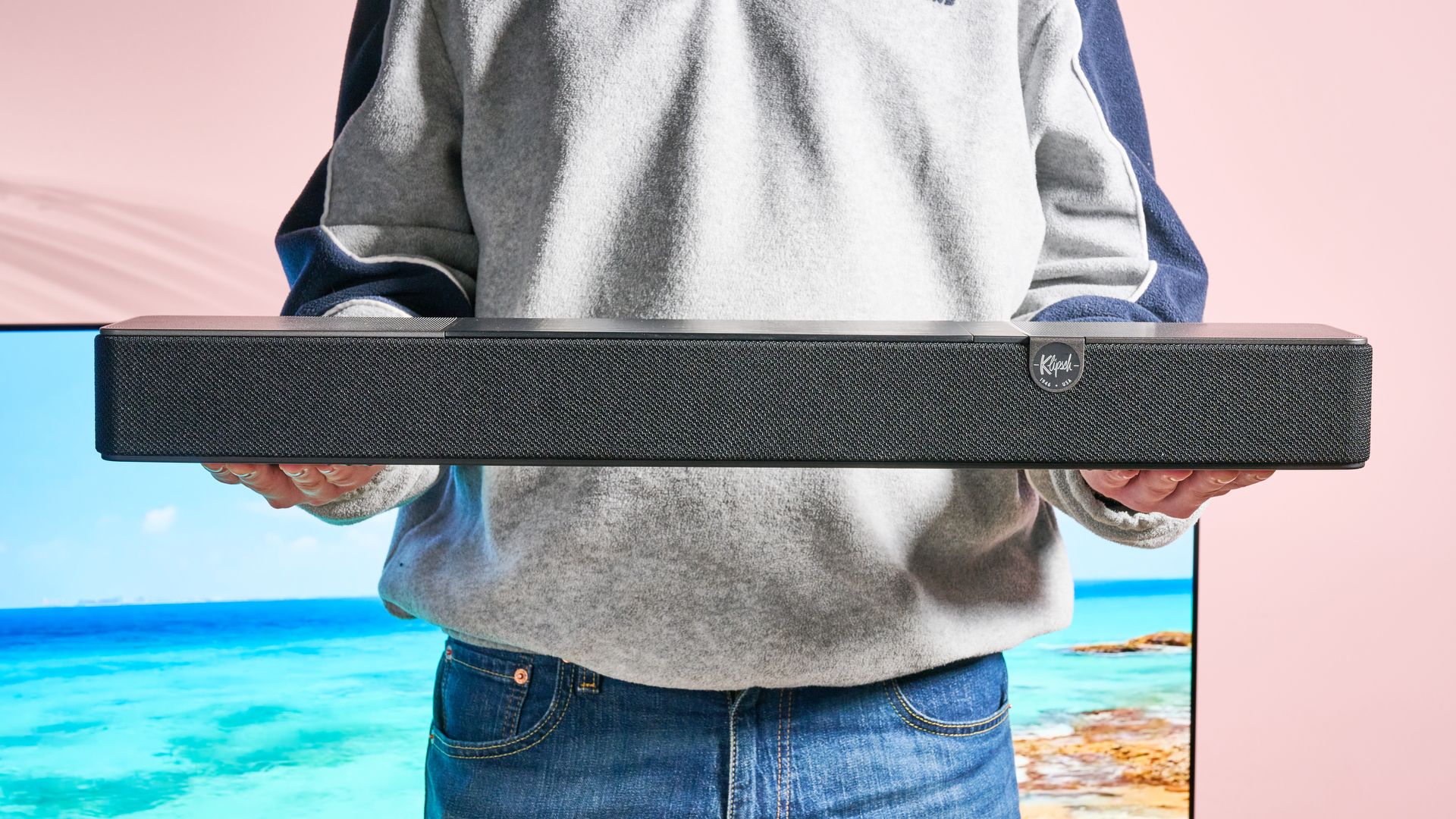
The Klipsch Flexus Core 100 delivers good sound quality for a Dolby Atmos soundbar, featuring impressive bass and clear dialogue. Notable advantages include its large display, intuitive app, and competitive pricing. However, its primary drawback is the unconvincing height effects, leading to somewhat underwhelming Atmos performance. The absence of Wi-Fi streaming and DTS:X support are also notable omissions, though the small soundbar still offers many appealing features.
- +
Clear dialogue
- +
Strong bass performance
- +
Fantastic, responsive display
- –
Unconvincing height effects
- –
No Wi-Fi streaming
- –
Not great for music
Klipsch Flexus Core 100: Review
For those with limited space seeking Dolby Atmos, the Klipsch Flexus Core 100 is a potential option. This 2.1-channel soundbar aims to provide immersive, spatial sound from a single, compact unit through virtualized Atmos.
The Klipsch Flexus Core 100 has limitations that prevent it from achieving the expansive, three-dimensional sound of larger models. It features a basic 2.1 channel setup, including two front-firing 2.25-inch speakers and two built-in four-inch subwoofers.
Unlike many top Dolby Atmos soundbars, the Flexus Core 100 lacks up-firing drivers necessary for ‘true’ Atmos. It also omits a dedicated center channel, and its narrow design limits the soundstage width compared to full-length models.
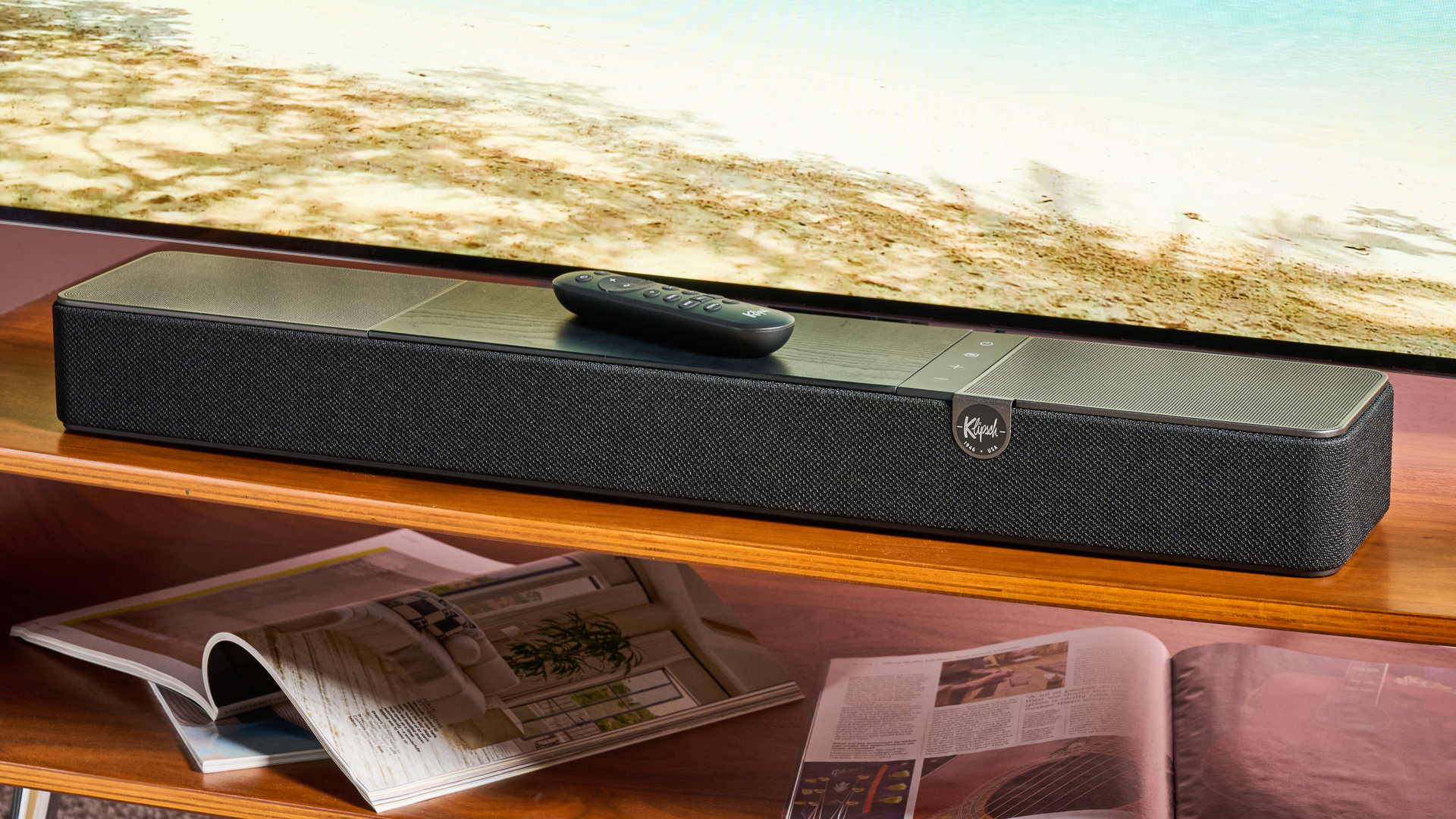
Despite these points, the Klipsch Flexus Core 100 offers good sound. During a 4K UHD Blu-ray viewing of Top Gun: Maverick, dialogue in the opening scene was accurate and well-defined, preserving the expected echoey effect of an open space.
Furthermore, Maverick demonstrated the Flexus Core 100’s low-end capabilities. The rumble of jet engines proved more impactful than many soundbars of similar size, with other frequencies remaining clear during takeoff sequences.
However, when a jet flew overhead, the verticality of the sound was very limited. Generally, this soundbar struggles to create a sense of height, which is an understandable consequence of its technical limitations but a concern for those seeking strong Dolby Atmos in a compact form.
Despite its modest height effects, the Flexus Core 100 delivers a respectable soundstage width for its size. In The Mask, the soundbar effectively reproduced the titular character’s cartoonish spin across the screen. When a glass window shattered, the blend of a low-end thump and high-pitched shattering was clear and impactful, perfectly capturing the scene’s suddenness.
A minor issue observed was during a scene with two mobsters playing air hockey in the background. The left and right channel separation appeared overly aggressive and choppy, likely due to the absence of a center channel, a characteristic not noted on 5.1 soundbars like the Marshall Heston 60.
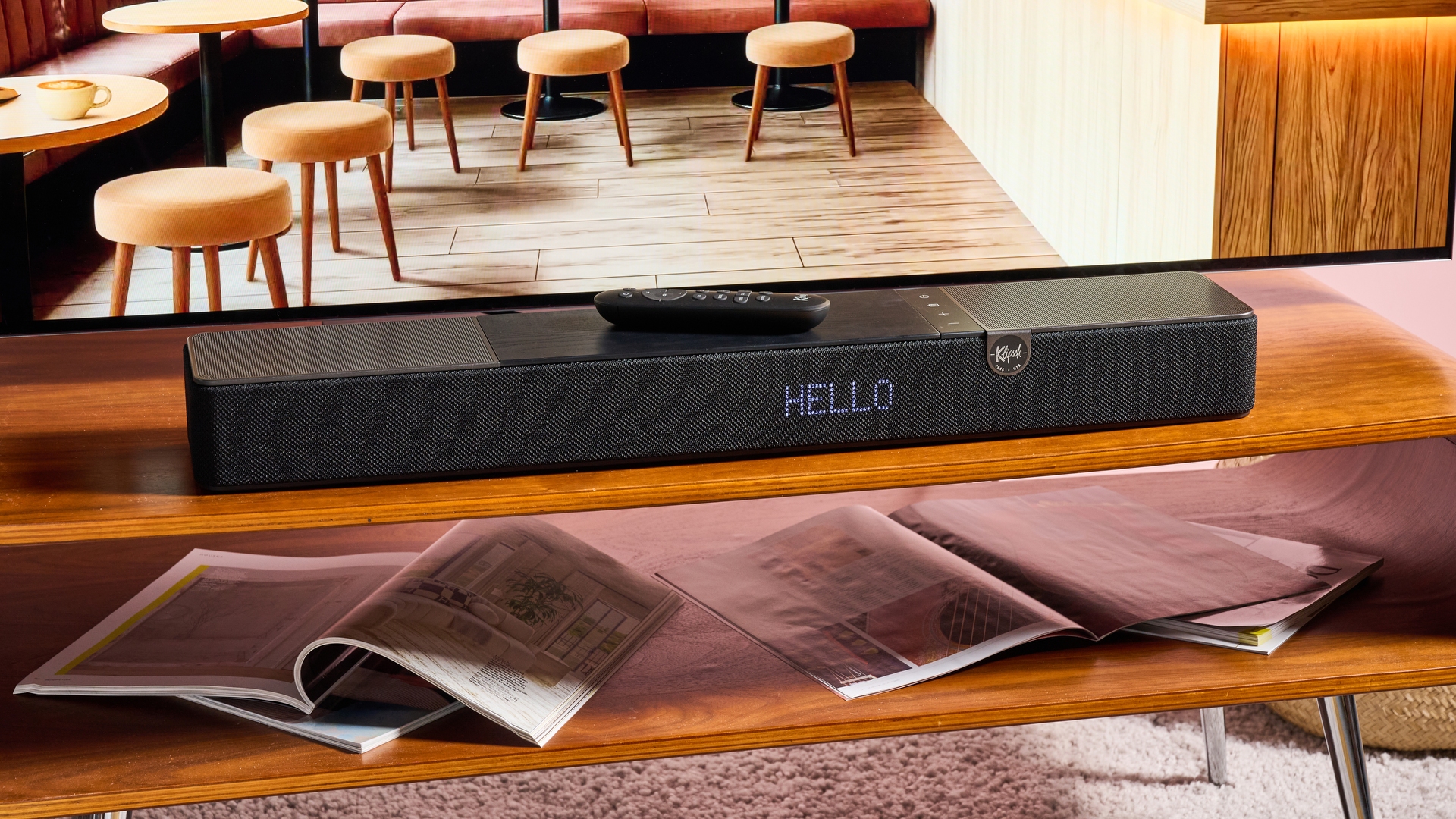
Beyond movies, music playback via Bluetooth using Tidal revealed that, like many small soundbars, the Flexus Core 100 is not exceptionally strong in this area.
For Black Eye by Allie X, the bass depth was satisfactory, though not particularly agile. Vocals were clear but lacked significant separation from other mid-range elements. Percussion also lacked precision and a sense of space. The overall listening experience was clean but lacked nuance or detail.
Atmos music presented a similar outcome. Dream of Arrakis by Hans Zimmer provided solid low-end punch, but percussion attack was blunt, and vocal elements were not very clear in the mix. The expansiveness of this track was also significantly reduced compared to more premium compact soundbars, such as the Sonos Beam Gen 2.
When playing music, it was noted that the soundbar does not automatically switch to Music mode, a feature common in many modern soundbars. Users must manually select the appropriate mode via the included remote or the Klipsch Connect Plus app.
The two modes are adequately differentiated, and further adjustments are possible using the equalizer in the companion app. EQ options are comprehensive, allowing manual adjustment of bass, mids, or treble, or selection from presets like Flat, Vocal, Bass, Treble, and Rock.
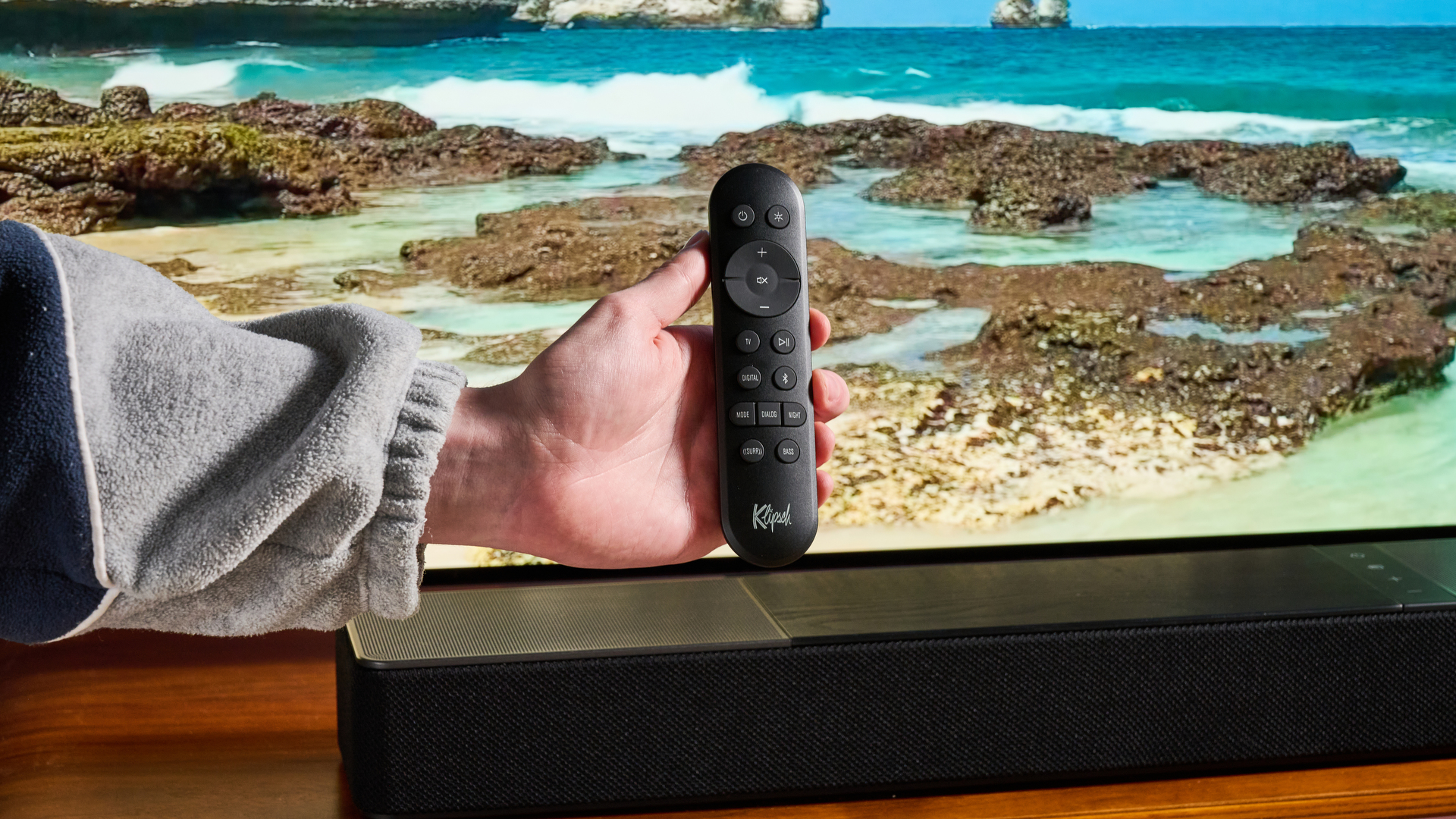
The Klipsch Connect Plus app is highly responsive, well-organized, and feature-rich. Its main screen allows source changes, activation of an effective multi-level voice enhancement setting, night mode, and other functions. A separate settings menu provides access to channel level adjustment, surround and subwoofer pairing, and display brightness control.
A notable absence in the app is a room calibration tool to optimize the Flexus Core 100 for the listening environment, a feature found in soundbars like the Sonos Beam 2nd Gen and Marshall Heston 120.
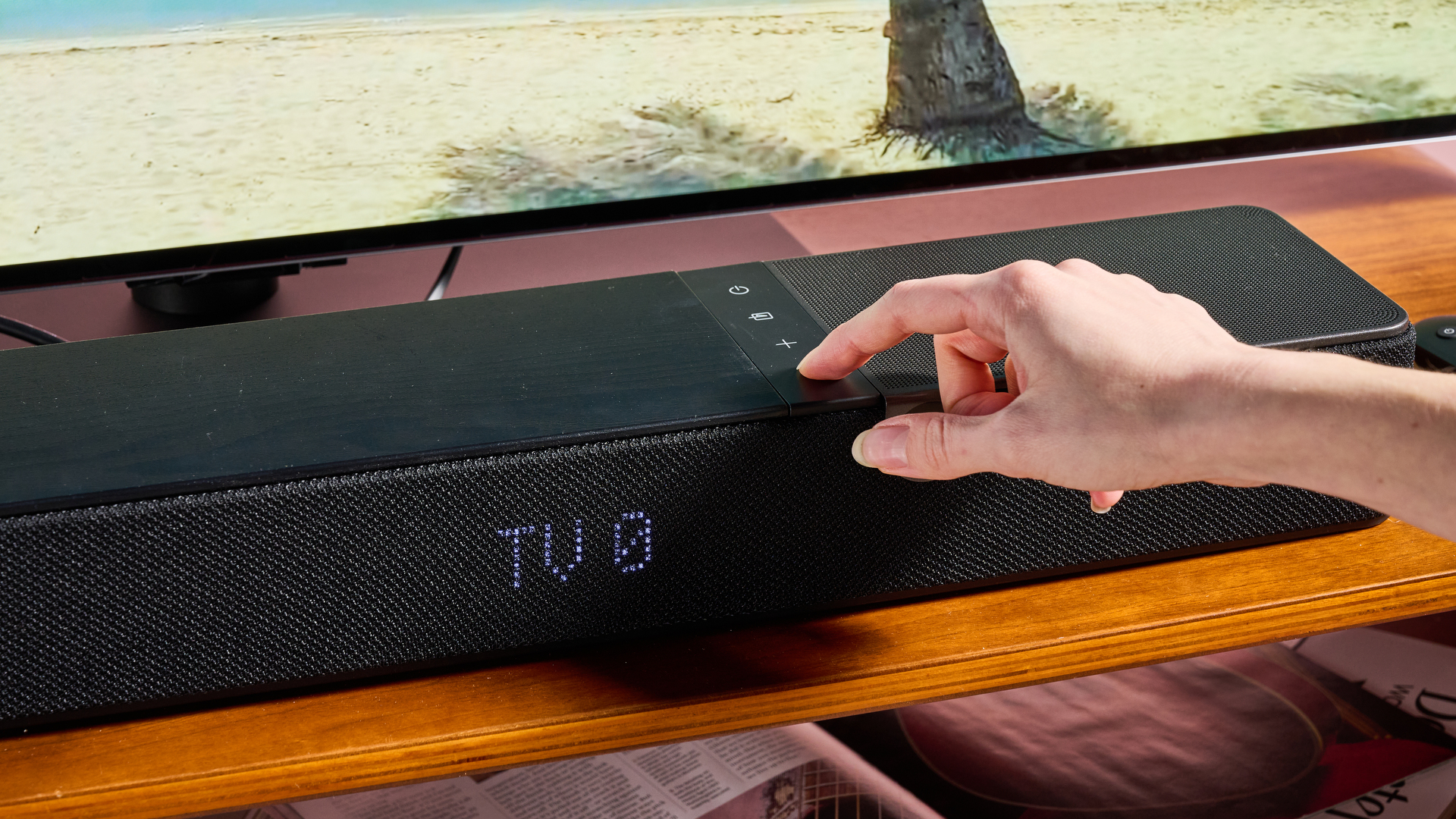
The Flexus Core 100’s display is excellent. Instead of a basic lighting system, it features a large display with full alphanumeric characters, clearly indicating the current mode, connected source, and volume level. This design significantly enhances the user experience.
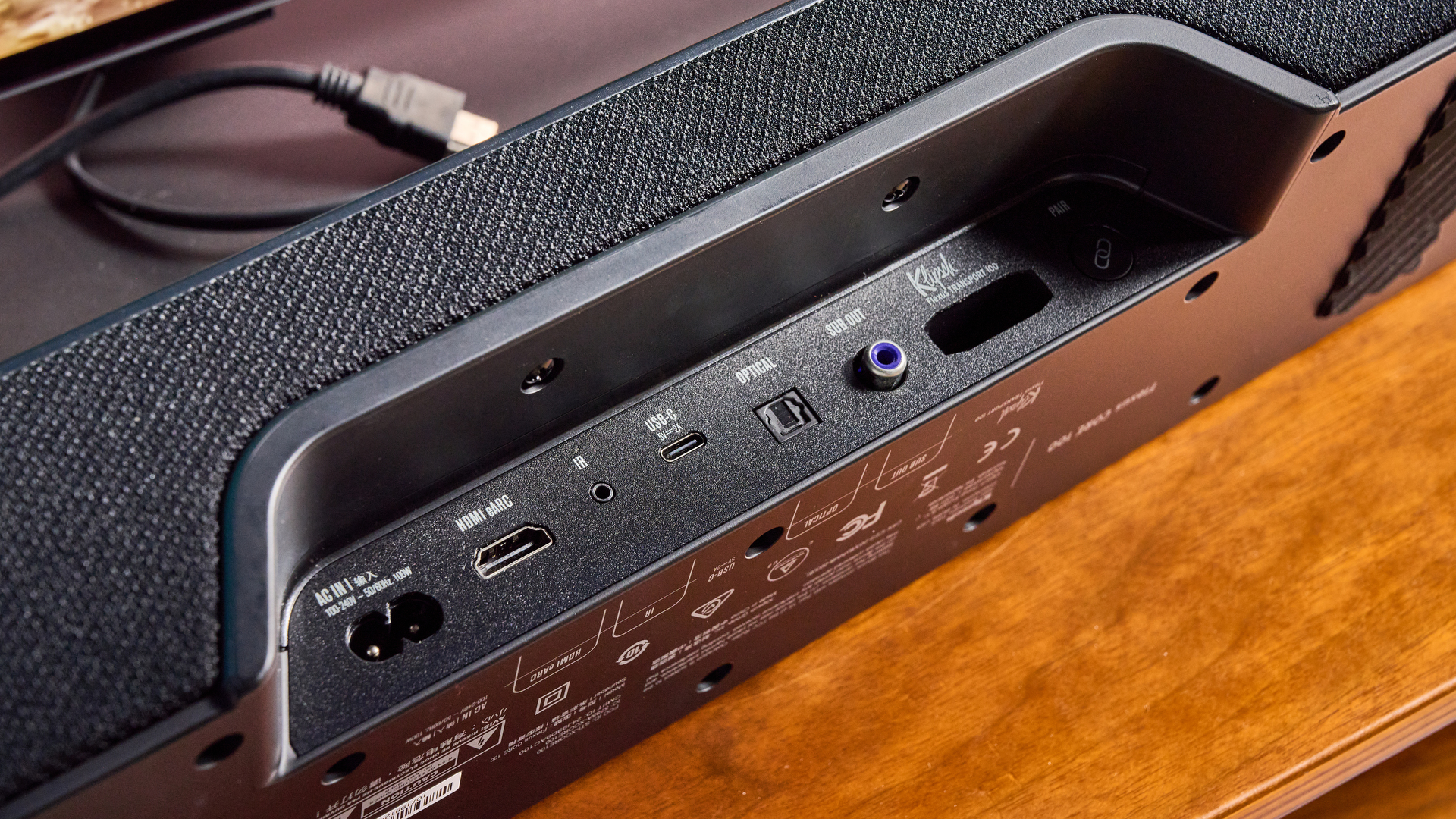
Beyond its clear display and smooth app experience, setting up the Flexus Core 100 is straightforward. It requires connecting to a power source and linking to a TV via HDMI eARC or digital optical. The system can be expanded by adding a compatible wireless subwoofer, or a wired one through the soundbar’s ‘sub out’ port. Flexus Surround speakers are also available for a more immersive listening experience.
Regarding functionality, the primary omission is Wi-Fi streaming. This feature is crucial for many users who prefer higher-quality music streaming via services like Spotify or Tidal Connect over Bluetooth. The absence of DTS support, while less common for streaming than Dolby Atmos, may also be a concern for Blu-ray enthusiasts.
Considering aesthetics, the Flexus Core 100’s design is somewhat average. The prominent logo on the right side and the fabric speaker grille do not convey a premium feel. Nevertheless, the unit is well-constructed and features an excellent display.
The Flexus Core 100 is competitively priced at $349 / £299 / AU$645. This positions it below 2.0 channel competitors like the Denon Home Sound Bar 550 and significantly less than premium compact Atmos soundbars such as the Sonos Beam Gen 2 and Bose Smart Soundbar.
Ultimately, the Klipsch Flexus Core 100 is a solid soundbar. It does not offer the most impressive Dolby Atmos performance, its aesthetics are not top-tier, and the lack of Wi-Fi streaming is a significant drawback.
However, its strong bass, clear dialogue, excellent companion app, and ease of use are highly commendable. For those with a larger budget, Sonos or Marshall’s compact soundbars might be preferable, but for budget-conscious buyers, this model is a strong contender.
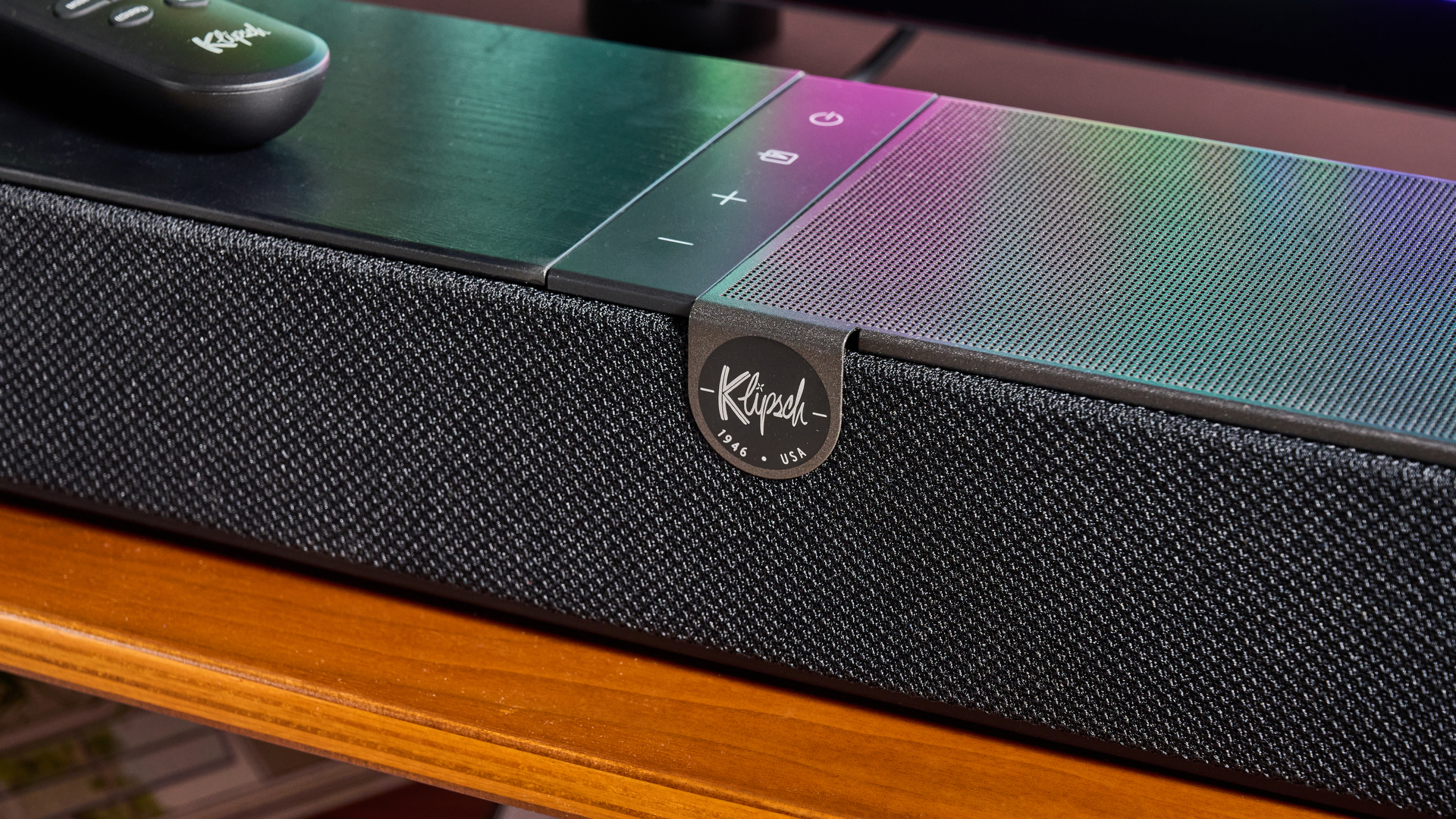
Klipsch Flexus Core 100: Price and Release Date
- $349 / £299 / AU$645
- Launched in April 2024
Released in April 2024, the Klipsch Flexus Core 100 is part of a series that includes the Flexus Core 200 and the highly-regarded Klipsch Flexus Core 300.
With a list price of $349 / £299 / AU$645, it is the most affordable in its lineup and is competitively priced against other compact Dolby Atmos models, such as the Sonos Beam Gen 2.
Klipsch Flexus Core 100: Specifications
Dimensions: 28 x 3 x 5 inches / 711.2 x 76.2 x 127mm
Speaker channels: 2.1
Connections: HDMI eARC, digital optical, sub out, Bluetooth 5.0
Dolby Atmos / DTS:X: Yes / No
Subwoofer included: No
Rear speakers included: No
Should You Buy the Klipsch Flexus Core 100?
Features: The companion app is excellent, but DTS and Wi-Fi streaming are absent.
Performance: Offers strong bass and clear dialogue with decent expansiveness, though music and height effects are unremarkable.
Design: While not the most aesthetically pleasing, its display and build quality are commendable.
Setup & Usability: Lacks room correction but is very easy to connect and control.
Value: Competitively priced against rivals, though it may not match their overall quality.
Buy it if…
You need strong low-end power. The Flexus Core 100 excels in bass performance. Explosions and bass-heavy soundtracks will sound significantly better than standard TV audio, enhancing the overall viewing experience.
You have limited space. For those with limited space or smaller TV units, the Flexus Core 100 is a suitable choice. Its narrower profile compared to models like the Sonos Arc Ultra makes it ideal for compact setups.
Don’t buy it if…
You prioritize outstanding Dolby Atmos performance. While the Flexus Core 100 offers a decent sense of width, its height effects are unconvincing. For optimal Atmos performance from a compact soundbar, the Marshall Heston 60 is a stronger option.
Wi-Fi streaming is essential. The absence of Wi-Fi streaming on the Flexus Core 100 is a drawback, as this feature is common among competitors. While Bluetooth streaming is available, the audio quality will not be as high.
Klipsch Flexus Core 100: Also Consider
Marshall Heston 60
Few small Dolby Atmos soundbars surpass the Marshall Heston 60. It delivers surprisingly expansive sound and impressive Atmos performance for its compact size. Its attractive amp-inspired design, along with Wi-Fi streaming and DTS:X support, are significant advantages. Although expensive and with an app that requires improvement, it remains a strong alternative. Read the full Marshall Heston 60 review.
Sonos Beam Gen 2
The Sonos Beam Gen 2 remains a leading compact Atmos soundbar. Its exceptional dialogue clarity, powerful bass, and current modest price give it an advantage. As a 5.0 channel bar, the Beam Gen 2 offers a more expansive sound than the Flexus Core 100, though it lacks Bluetooth connectivity and a subwoofer output. It does, however, provide Wi-Fi streaming and features a modern design. Read the full Sonos Beam Gen 2 review.
How the Klipsch Flexus Core 100 Was Tested
- Tested with movies and music across multiple hours
- Used in our TV testing space at Future Labs
- Mainly played 4K Blu-rays for movies and streamed via Tidal for music
The Klipsch Flexus Core 100 was tested connected to an LG G5 OLED TV via its HDMI eARC port.
Testing primarily involved watching 4K UHD Blu-rays via a Panasonic DP-UB820. Additionally, shows on Netflix were viewed, and music was streamed through Tidal in both Dolby Atmos and stereo formats.
All Flexus Core 100 features were explored, including cycling through all settings in the Klipsch Connect Plus app, such as sound modes and EQ calibrations.
The testing was conducted by an experienced tech reviewer specializing in audio-visual equipment, with extensive experience across a wide range of soundbars, from budget models like the Sony HT-SF150 to premium Dolby Atmos systems such as the JBL Bar 1300MK2.
