


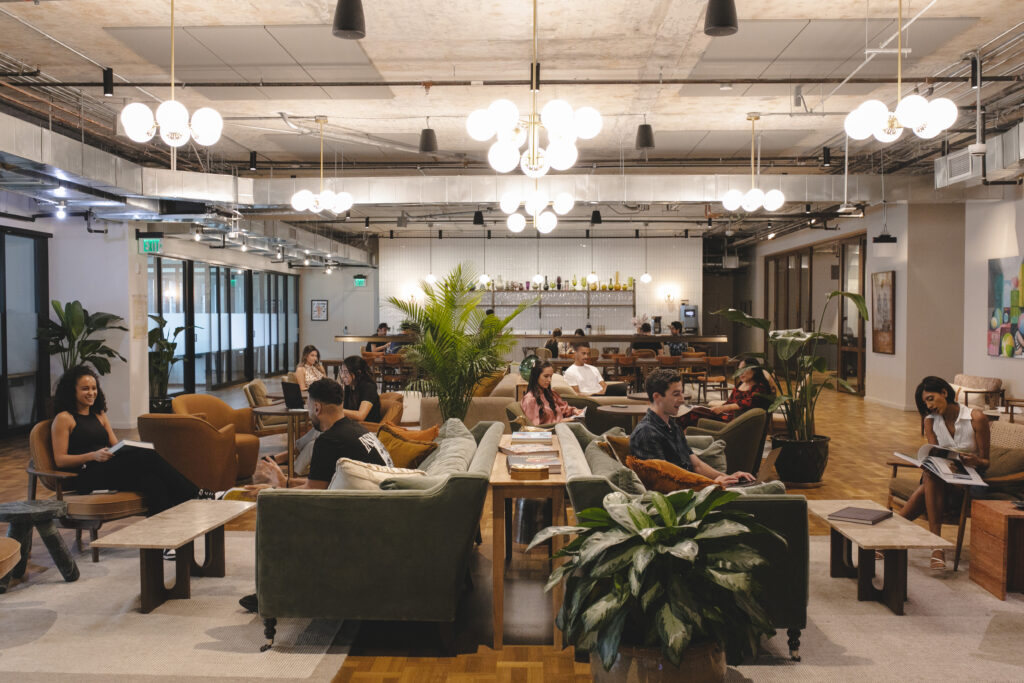
As businesses navigate evolving return-to-work strategies and changing employee demands, the conventional office is experiencing a profound shift. Flexible workspace providers, such as Mindspace, are increasingly becoming key partners for organizations seeking to optimize collaboration, foster creativity, and prioritize employee well-being while managing real estate efficiently. From unique, community-focused designs to innovative revenue-sharing agreements with landlords, the flexible office model is reshaping expectations for modern workspaces.

Rethinking the Office’s Purpose
Return-to-work mandates have inadvertently boosted the flexible workspace sector. Companies are encouraging employees to return to physical locations but have also recognized that the extensive square footage maintained before the pandemic is no longer necessary. Instead of traditional, desk-heavy setups, employers are reimagining offices as dynamic destinations. These spaces are specifically designed to facilitate collaboration, inspire creativity, promote wellness, and encourage movement. Moving further into 2026, the emphasis is shifting away from assigning a dedicated desk to each employee and towards creating stimulating environments that support contemporary work styles, a role where boutique flexible providers are becoming increasingly vital.
Accelerated Enterprise Adoption
Flexible offices, once considered temporary solutions, are now seeing accelerated adoption by large enterprises. This integration has evolved from experimental trials to a strategic component of real estate portfolios. Large corporations still require a presence in major urban centers but no longer need space scaled for every single employee. Flexible offices offer the adaptability to accommodate rotating schedules, shared team days, and layouts that prioritize breakout and collaboration zones over individual private offices. Over the next three to five years, flexible workspace is expected to become an even more integral part of corporate real estate strategies, providing essential adaptability without the burden of long-term risk.
Value for Members and Landlords
A boutique, community-driven model offers tangible benefits for both members and landlords. For landlords, having a flexible workspace provider within a building is increasingly seen as an attractive amenity. These spaces inject energy, activity, and a sense of community into a property, while also offering shared conference rooms and breakout areas that can be utilized by other tenants. This dynamic helps attract larger enterprises to the building overall. For members, the value lies in accessing premium locations with strong amenities, such as gyms, rooftops, and meticulously designed spaces that offer a high-quality experience. This combination of experience and location supports higher occupancy rates, waitlists in prime markets, and continued growth across the U.S. in 2026.

Influencing Leasing Fundamentals
With rising office vacancies and evolving employer strategies, flexible workspaces are significantly influencing leasing fundamentals, rent growth, and landlord decisions. A notable trend is the growth of managed office solutions, where flexible operators directly partner with landlords to activate vacant space. This approach enables landlords to convert underutilized floors into short-term, flexible options for multiple tenants. Importantly, landlords are becoming more comfortable with revenue-sharing models. While rents may not always reach historical peaks, landlords gain participation in potential upside and improved occupancy. As the flexible workspace sector matures, commercial real estate leaders should anticipate it playing a more central role in leasing strategies, rather than being perceived as a risk.
Key Trends and Opportunities for 2026
Wellness is expected to remain a top priority in 2026, evolving from a trend into a fundamental aspect of design and experience. Traditional coworking aesthetics have remained largely unchanged for over a decade, presenting a clear opportunity to elevate standards. Providers are investing more in high-quality fit-outs, premium materials, and communal spaces, alongside programming and events that emphasize work-life balance and well-being. The overarching opportunity is to create environments that people genuinely desire to inhabit. As demand grows, providers who lead in design, experience, and community building will be best positioned for success.
A Permanent Fixture in Real Estate
Flexible workspace is poised to continue its momentum as landlords gain increasing confidence in the model and trust established operators. There is growing interest from landlords across U.S. markets who view flexible solutions not as a temporary fix, but as a long-term strategic asset. This confidence is translating into significant expansion for many providers, with the potential to substantially increase their footprint and enter new markets. This marks an exciting period for the sector, as flexible workspace solidifies its position as a permanent and strategic component of the commercial real estate ecosystem.
